Why Fit is the Foundation of Great Style
In the world of men’s fashion, trends come and go, but one principle remains timeless and universally true: fit is king. No matter how expensive or stylish your clothing might be, if it doesn’t fit properly, it undermines your entire look. A well-fitting outfit not only enhances your physique, making you appear sharper and more put-together, but it also significantly impacts your confidence, broadcasting an image of meticulous attention and self-respect. It’s the silent language of sartorial excellence.

Understanding the Basics: The Golden Rules of a Perfect Fit
Achieving the ideal fit isn’t rocket science, but it does require attention to a few key areas. Here’s a breakdown of what to look for:
- Shoulders: This is the most critical measurement for jackets and shirts. The seam should sit precisely where your shoulder bone ends. If it’s too wide, you’ll look sloppy; too narrow, and you’ll restrict movement and appear squeezed.
- Chest and Torso: Your shirt or jacket should skim your body, allowing for full range of motion without excess fabric bulging or constricting. You should be able to button a jacket comfortably without pulling, and a shirt should not gape between buttons.
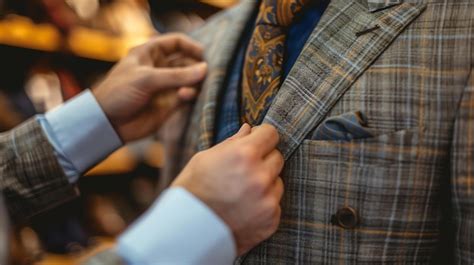
- Sleeve Length: For shirts, the cuff should end at the break of your wrist, just where your hand begins. For jackets, the sleeve should be slightly shorter, allowing about half an inch of shirt cuff to show.

- Pant Length: The modern standard favors minimal break. For dress pants, a slight break (where the fabric gently creases once at the top of your shoe) or no break (the hem just touches the shoe) creates a clean line. Casual trousers can be slightly shorter, ending just above the shoe for a ‘no break’ look.
- Waist: Trousers should sit comfortably at your natural waist without needing a belt to stay up, yet without feeling restrictive. There should be enough room for two fingers to fit snugly inside the waistband.
- Collar: For collared shirts, you should be able to comfortably fit one or two fingers between your neck and the buttoned collar. Anything tighter will feel constricting, anything looser looks sloppy.

The Tailoring Advantage: Your Secret Weapon
Very few garments will fit you perfectly off the rack. This is where a skilled tailor becomes your best friend. A good tailor can transform an ‘almost’ fit into a ‘perfect’ fit, making even inexpensive clothes look custom-made. Common alterations include:
- Taking in or letting out seams on jackets and shirts.
- Adjusting sleeve and pant lengths.
- Tapering pant legs for a cleaner silhouette.
- Nipping in the waist of a jacket for a sharper profile.
Think of tailoring as an investment that pays dividends in confidence and style. It’s often more cost-effective to buy a moderately priced garment that fits well after alterations than a high-end item that still hangs incorrectly.
Beyond the Basics: Knowing Your Body Type
While the golden rules apply broadly, understanding your specific body type can further refine your fit choices. Are you athletic with broad shoulders and a narrow waist? Look for ‘athletic fit’ garments or tailor standard cuts to enhance your V-shape. Are you a larger build? Focus on clean lines, darker colors, and a relaxed (but not baggy) fit that doesn’t add bulk. Experiment with different brands and cuts to see what flatters your unique physique most effectively.
Conclusion: Dress Better, Feel Better
Mastering outfit fit isn’t about chasing fleeting trends; it’s about understanding the fundamentals of how clothing should interact with your body. By paying close attention to key measurements and not shying away from professional tailoring, you unlock a level of style that is both timeless and deeply personal. The result isn’t just a sharper outward appearance, but a profound boost in confidence that radiates from within, empowering you to tackle any situation with poise and self-assurance. Invest in fit, and watch your entire presence transform.