Navigating the Modern Professional Landscape with Style
In today’s evolving work world, the lines between formal and casual attire have blurred, making business casual the de facto standard for many industries. For men, mastering this sartorial sweet spot isn’t just about looking good; it’s a strategic move that can significantly impact career growth and personal confidence. A well-executed business casual look projects competence, professionalism, and an understanding of modern workplace dynamics, signaling that you are serious about your career without being stuffy.
Defining Business Casual: More Than Just ‘No Tie’
The biggest challenge with business casual is often its ambiguity. It’s not simply a lack of a tie; it’s a deliberate balance of polish and comfort. At its core, business casual means looking put-together, professional, and approachable. It typically involves dress shirts, tailored trousers or chinos, smart casual blazers or sport coats, and polished shoes. Jeans, t-shirts, sneakers, and overly casual sportswear are generally out, but exceptions can exist depending on the industry and company culture.

Building Your Business Casual Wardrobe Foundation
Shirts: The Cornerstone of Your Look
- Button-Down Shirts: Opt for solid colors (white, light blue, navy) and subtle patterns (gingham, thin stripes). Ensure they are well-fitted, not baggy.
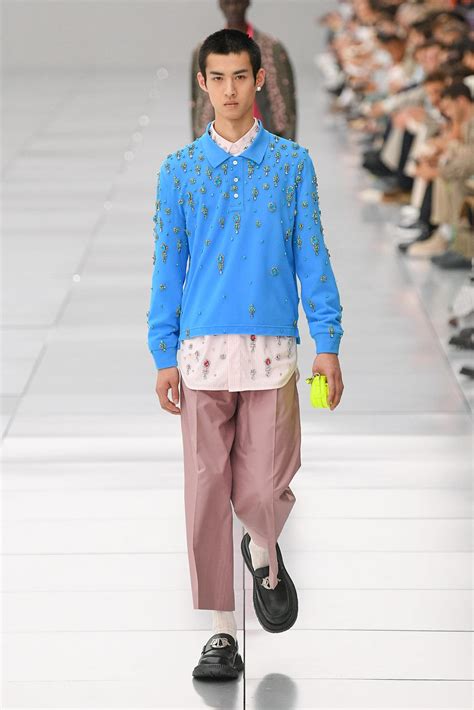
- Polo Shirts: High-quality polo shirts in solid, muted colors can work in more relaxed business casual environments. Avoid large logos.
- Sweaters and Cardigans: Fine-gauge merino wool or cashmere sweaters layered over a button-down provide warmth and sophistication during cooler months.
Trousers: Smart and Polished
- Chinos: A versatile choice in colors like khaki, navy, grey, or olive. Ensure they are well-pressed and not too baggy or too tight.
- Dress Trousers: Wool or wool-blend dress trousers are excellent, offering a sharper alternative to chinos.
- Dark Wash Jeans (Conditional): In some creative or tech industries, dark, well-fitting, unripped jeans might be acceptable, but always err on the side of caution.
Jackets: The Instant Upgrade
A sport coat or blazer is perhaps the most powerful tool in your business casual arsenal. It instantly elevates any outfit, adding structure and formality. Invest in a versatile navy or grey blazer, and consider tweed or checked options for added character. Always ensure it fits well across the shoulders and the sleeves are the correct length.
Footwear: The Often-Overlooked Detail
Your shoes can make or break a business casual outfit. Shine and quality are paramount. Recommended styles include:
- Loafers: Penny or tassel loafers in leather or suede.
- Derbies or Oxfords: Classic lace-ups in brown or black leather.
- Chukka Boots: A stylish and comfortable option, especially in suede.
- Dressy Sneakers (Conditional): Clean, minimalist leather sneakers can sometimes pass in very modern, relaxed settings, but are generally best avoided in traditional environments.

The Power of Fit and Fabric
Even the most expensive clothes look bad if they don’t fit. A tailored fit is non-negotiable for business casual. Clothes should skim your body, not cling or sag. Invest in a good tailor to ensure your shirts, trousers, and jackets are perfectly altered. Equally important is fabric quality. Choose natural fibers like cotton, wool, linen (in warmer climates), and cashmere. These materials look better, last longer, and breathe well, making you more comfortable throughout the day.
Accessorizing for Impact and Confidence
Accessories are opportunities to showcase personality and attention to detail. A quality leather belt that matches your shoes, a sophisticated watch, and perhaps a subtle pocket square in your blazer can significantly enhance your overall look. Keep jewelry minimal and tasteful. Grooming, though not an accessory, is crucial: a neat haircut, well-trimmed beard (if applicable), and good personal hygiene complete the confident professional image.
Context is King: Adapting Your Style
Remember that business casual isn’t a one-size-fits-all solution. The interpretation varies greatly between industries and even specific companies. A tech startup will likely have a more relaxed standard than a law firm or a finance company. When in doubt, observe what senior colleagues wear, especially those you admire for their professionalism. It’s always better to be slightly overdressed than underdressed. As you become more confident in your understanding of your workplace culture, you can subtly adapt your style.

Conclusion: Dress the Part, Own Your Growth
Mastering business casual is an ongoing process of refinement and awareness. It’s about building a versatile wardrobe of well-fitting, quality pieces and knowing how to combine them appropriately for different professional scenarios. By investing time and thought into your business casual style, men not only present a more polished and professional image but also cultivate an inner confidence that fuels career growth and opens doors to new opportunities. Dress the part you want, and watch how it empowers you to achieve it.