
Navigating the Credit Card Debt Challenge
For many men, managing credit card debt can feel like a daunting financial battle. However, it’s a battle that can be won strategically, not just by eliminating debt, but by simultaneously building a stronger credit score. This dual approach is crucial for long-term financial health, opening doors to better loan rates, housing opportunities, and overall financial freedom. Let’s explore actionable strategies to tackle credit card debt head-on while paving the way for an excellent credit score.

Assess Your Current Financial Standing
The first step in any strategic financial plan is a clear-eyed assessment of your current situation. Gather all your credit card statements. Note down the total balance, interest rates, and minimum payments for each card. Create a comprehensive budget that tracks all income and expenses. This clarity will reveal how much disposable income you genuinely have to dedicate to debt repayment beyond minimums.
Understanding your debt-to-income ratio (DTI) and credit utilization ratio (CUR) is also vital. Your DTI compares your monthly debt payments to your gross monthly income, while CUR looks at how much credit you’re using compared to your total available credit. Keeping both low is key to a healthy financial profile.
Strategic Debt Repayment Methods
The Debt Snowball vs. Debt Avalanche
Once you know your numbers, choose a repayment strategy:
- Debt Snowball: Focus on paying off the card with the smallest balance first, while making minimum payments on others. Once the smallest is paid, take the money you were paying on it and apply it to the next smallest. This method provides psychological wins.
- Debt Avalanche: Target the card with the highest interest rate first. This approach saves you the most money on interest over time, making it financially more efficient.
Consider which method best aligns with your personality and motivation. The goal is consistent, accelerated payments.
Balance Transfers and Debt Consolidation
For those with good credit and multiple high-interest debts, a balance transfer to a new card with a 0% APR introductory offer can provide a significant breathing room. Be mindful of balance transfer fees and ensure you can pay off the transferred amount before the promotional period ends. Alternatively, a debt consolidation loan can combine multiple debts into one lower-interest monthly payment, simplifying your finances and potentially reducing overall interest costs.
Boosting Your Credit Score While Repaying Debt
Managing debt strategically isn’t just about paying it off; it’s also about actions that positively impact your credit score. Here’s how:
Prioritize On-Time Payments
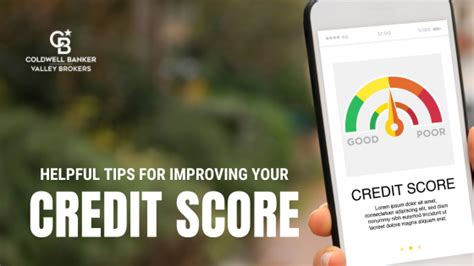
Your payment history is the most significant factor (35%) in your credit score. Missing payments, even by a few days, can severely damage your score. Set up automatic payments or calendar reminders to ensure every bill is paid on time, every time.
Reduce Your Credit Utilization Ratio (CUR)
This is the second most important factor (30%). It’s the amount of credit you’re using divided by your total available credit. Aim to keep your CUR below 30% on each card, and ideally below 10%. As you pay down debt, your available credit increases relative to your balance, naturally lowering your CUR and boosting your score.
Even paying off a small portion of a large balance can make a noticeable difference. If possible, consider making multiple payments throughout the month rather than just one large payment at the end, as this can keep your reported balance lower.
Avoid Opening New Credit Lines Unnecessarily
While tempting to seek more credit during financial strain, opening new credit accounts, especially just to transfer balances, can negatively impact your credit score in the short term due to hard inquiries and a younger average age of accounts. Focus on managing existing credit responsibly.
Long-Term Financial Habits for Sustained Success
Once significant progress has been made on debt, don’t revert to old habits. Cultivate these long-term practices:
- Maintain a detailed budget: Regularly review and adjust your spending plan.
- Build an emergency fund: Aim for 3-6 months of living expenses. This prevents new debt when unexpected costs arise.
- Monitor your credit regularly: Use free services to check your credit report and score. Dispute any errors promptly.
- Diversify your credit mix (cautiously): As your score improves, consider a small, responsible installment loan (like a personal loan for a specific purpose) to show you can manage different types of credit, but only if it aligns with a genuine need and affordability.
Conclusion
Managing credit card debt and boosting your credit score are not mutually exclusive goals; they are intertwined objectives that, when tackled strategically, lead to profound financial empowerment. By systematically assessing your debt, employing targeted repayment methods, prioritizing on-time payments, and diligently lowering your credit utilization, men can take control of their financial future. Embrace these strategies, build disciplined habits, and watch as your debt diminishes and your credit score soars, paving the way for greater financial freedom and opportunity.