Understanding the Challenge: The Simultaneous Pursuit
Many men face the frustrating challenge of stubborn belly fat, often clinging on despite efforts to get in shape. The goal to simultaneously lose this fat and build lean muscle can seem contradictory, as one typically requires a calorie deficit (for fat loss) and the other a calorie surplus (for muscle gain). However, it is absolutely achievable with a strategic, consistent, and integrated approach that prioritizes body recomposition.
This article will guide you through the key principles and actionable steps men can take to effectively reduce abdominal fat while developing a lean, muscular physique. It’s about working smarter, not just harder, and understanding how your body responds to nutrition, training, and lifestyle factors.

The Dual Approach: Nutrition for Fat Loss and Muscle Growth
Nutrition is the cornerstone of body recomposition. You need to create a slight calorie deficit to encourage fat loss, but consume enough protein and the right types of carbohydrates and fats to fuel muscle growth and repair.
Prioritize a Calorie Deficit (Slightly)
To lose fat, you must consume fewer calories than you burn. Aim for a moderate deficit of 300-500 calories below your maintenance level. A drastic deficit can lead to muscle loss, which is counterproductive. Use online calculators to estimate your Total Daily Energy Expenditure (TDEE) and then subtract your deficit.
Ample Protein Intake
Protein is crucial for preserving muscle during a deficit and supporting muscle synthesis. Aim for 1.6-2.2 grams of protein per kilogram of body weight. Distribute your protein intake throughout the day across multiple meals and snacks. Good sources include lean meats, poultry, fish, eggs, dairy, and plant-based proteins like legumes and tofu.
Smart Carbohydrates and Healthy Fats
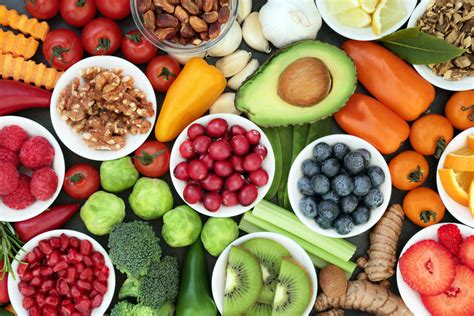
Don’t cut carbs entirely. Complex carbohydrates (oats, brown rice, whole grains, vegetables) provide sustained energy for workouts and replenish glycogen stores. Timing your carb intake around your workouts can be beneficial. Healthy fats (avocado, nuts, seeds, olive oil) are vital for hormone production and overall health, but they are calorie-dense, so consume them in moderation.
Optimizing Your Training: Lift Heavy, Move Smart
Your training regimen needs to be geared towards stimulating muscle growth while also burning calories and improving cardiovascular health.
Strength Training: Your Foundation
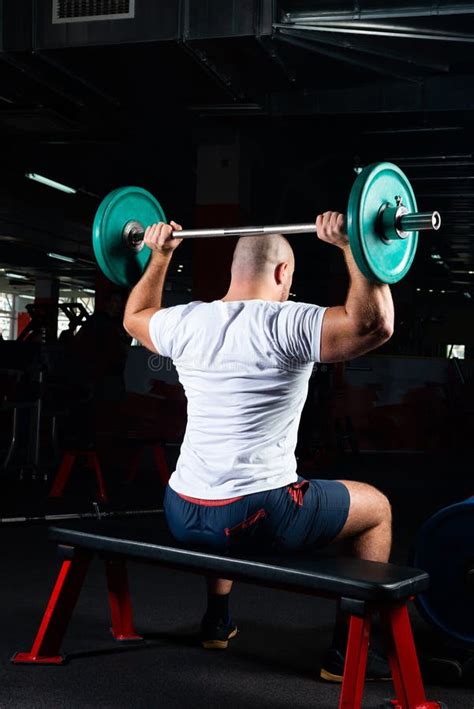
Resistance training is non-negotiable for building and maintaining muscle. Focus on compound exercises (squats, deadlifts, bench press, overhead press, rows) that work multiple muscle groups simultaneously. These exercises are highly effective for building strength, burning calories, and boosting your metabolism. Aim for 3-4 full-body or upper/lower split resistance training sessions per week, focusing on progressive overload (gradually increasing weight, reps, or sets over time).
Proper form is paramount to prevent injury and ensure muscle activation. Consider working with a qualified trainer initially to learn the correct techniques.
Strategic Cardio
While strength training is key, incorporating strategic cardio can accelerate fat loss. High-Intensity Interval Training (HIIT) is particularly effective for calorie burning and improving metabolic rate. Aim for 2-3 HIIT sessions per week on non-lifting days, or short bursts post-resistance training. Low-intensity steady-state cardio (LISS) can also be beneficial for recovery and additional calorie expenditure without overly taxing your system.
Lifestyle Factors for Enhanced Results
Beyond the gym and kitchen, several lifestyle habits play a critical role in your ability to lose fat and build muscle.
Quality Sleep is Non-Negotiable
Lack of sleep disrupts hormones that regulate appetite (ghrelin and leptin) and muscle repair (growth hormone, testosterone). Aim for 7-9 hours of quality sleep per night. Prioritize a consistent sleep schedule and create a relaxing bedtime routine.
Stress Management
Chronic stress elevates cortisol levels, which can promote belly fat storage and hinder muscle growth. Incorporate stress-reducing activities like meditation, yoga, hobbies, or spending time in nature.
Hydration and Micronutrients
Drink plenty of water throughout the day. Water aids metabolism, helps with satiety, and supports overall bodily functions. Ensure your diet is rich in fruits, vegetables, and whole foods to get adequate vitamins and minerals, which are essential for energy production, hormone balance, and muscle function.

Consistency, Patience, and Monitoring Progress
Losing stubborn belly fat and building lean muscle is not a quick fix; it’s a journey that requires consistency and patience. Results will come, but they may not be linear. Track your progress not just by the scale, but also through body measurements (waist circumference), progress photos, and how your clothes fit. Regularly assess your strength gains in the gym.
If you hit a plateau, adjust your calorie intake slightly, change your training routine, or reassess your sleep and stress levels. Small, consistent changes over time lead to significant transformations.
Conclusion
For men looking to effectively lose stubborn belly fat and build lean muscle, the path lies in a disciplined, integrated approach to nutrition, strength training, strategic cardio, and crucial lifestyle habits like sleep and stress management. By creating a slight calorie deficit, prioritizing protein, lifting heavy, and allowing for adequate recovery, you can sculpt a leaner, stronger physique and improve your overall health and well-being. Stay consistent, be patient, and celebrate your progress along the way.