Understanding the Financial Landscape
For many men, navigating the complexities of personal finance can be a daunting task, especially when faced with the dual challenge of high-interest debt and the need for a financial safety net. High-interest debt, often from credit cards, personal loans, or even some student loans, acts like a financial anchor, dragging down progress and making it difficult to build wealth. Simultaneously, the absence of an emergency fund leaves one vulnerable to unexpected life events, potentially forcing a deeper reliance on debt.

The good news is that with a strategic approach, discipline, and a clear understanding of the most efficient methods, it’s entirely possible to tackle high-interest debt head-on while concurrently establishing a solid emergency fund. This guide will outline actionable steps to achieve both, laying the foundation for lasting financial stability.
Prioritizing Debt Repayment: The Avalanche Method
When multiple high-interest debts are present, choosing the right repayment strategy is crucial for efficiency. While the debt snowball method (paying smallest balance first) offers psychological wins, the debt avalanche method is mathematically superior for minimizing total interest paid and accelerating debt freedom.
How the Debt Avalanche Works:
- List All Debts: Compile a list of all your debts, noting the outstanding balance, minimum payment, and interest rate for each.
- Order by Interest Rate: Arrange your debts from the highest interest rate to the lowest.
- Attack the Top: Pay the minimum payment on all debts except the one with the highest interest rate. Dedicate all extra available funds to paying down this highest-interest debt.
- Roll Down: Once the highest-interest debt is paid off, take the money you were paying on it (minimum payment + extra funds) and add it to the minimum payment of the next highest-interest debt. Repeat this process until all debts are cleared.
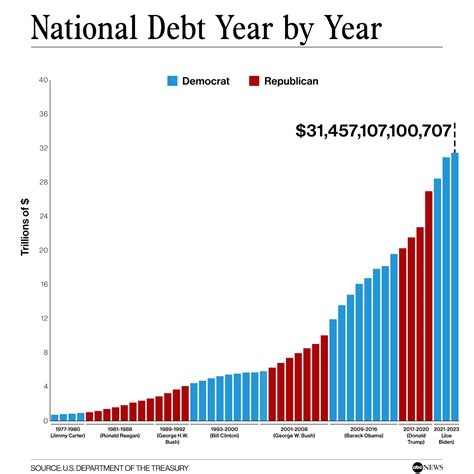
This method ensures you’re always tackling the most expensive debt first, saving you a significant amount of money in interest over time.
Simultaneously Building Your Emergency Fund
While aggressively paying down debt, it’s critical not to neglect your emergency fund. An emergency fund acts as a buffer against unforeseen expenses like job loss, medical emergencies, or car repairs, preventing you from falling back into debt. The goal should be to build a starter fund quickly, typically $1,000 to $2,000, before going full-throttle on debt repayment, and then expand it once high-interest debts are under control.
Emergency Fund Best Practices:
- Define Your Target: Aim for 3-6 months of essential living expenses (rent/mortgage, utilities, food, transportation, insurance).
- Keep it Liquid and Separate: Store your emergency fund in a separate, easily accessible, high-yield savings account. This keeps it distinct from your checking account and growing slightly with interest.
- Automate Contributions: Set up an automatic transfer from your checking account to your emergency savings each payday. Even small, consistent contributions add up quickly.

Key Strategies for Efficiency & Acceleration
To truly accelerate your progress on both fronts, consider integrating these additional strategies:
1. Create and Stick to a Budget
A budget is your financial roadmap. Track every dollar coming in and going out. Identify areas where you can cut unnecessary expenses (e.g., dining out less, canceling unused subscriptions, reducing entertainment costs). Every dollar saved is a dollar that can be redirected to debt or savings.
2. Increase Your Income
Look for opportunities to boost your earnings. This could include asking for a raise, taking on a side hustle (freelancing, gig work), selling unused items, or picking up extra shifts. Any additional income can be directly funneled into your debt repayment or emergency fund goals.

3. Negotiate Interest Rates
Don’t hesitate to call your credit card companies and ask for a lower interest rate. If you have a good payment history, they might be willing to reduce it, saving you money and accelerating your repayment.
4. Avoid New Debt
While working to pay off existing debt and build savings, commit to not taking on any new high-interest debt. Use cash or a debit card for purchases, and only use credit cards if you can pay the full statement balance every month.
Building Lasting Financial Resilience
Paying off high-interest debt and building an emergency fund are not just about numbers; they are about cultivating financial discipline, reducing stress, and gaining control over your future. The journey requires commitment and consistency, but the rewards—financial freedom and peace of mind—are immeasurable.
By understanding efficient strategies like the debt avalanche, prioritizing an emergency fund, and implementing smart budgeting and income-boosting tactics, men can take charge of their financial health, building a strong foundation for themselves and their families.