Understanding Stubborn Belly Fat in Men
Belly fat, particularly visceral fat that surrounds organs, is a common concern for many men. It’s not just an aesthetic issue; excess abdominal fat is linked to various health risks, including heart disease, type 2 diabetes, and metabolic syndrome. While genetics, age, and lifestyle all play a role, effectively targeting this stubborn fat requires a strategic, consistent approach that combines smart dietary choices with a well-rounded exercise regimen.
Many men find that even with general weight loss, their midsection remains resistant. This often comes down to hormonal factors, particularly higher levels of cortisol and lower testosterone in some cases, alongside individual fat distribution patterns. The good news is that by focusing on sustainable habits rather than quick fixes, you can significantly reduce abdominal fat over time.
The Dietary Blueprint for Belly Fat Reduction
Diet is arguably the most critical component when it comes to shedding belly fat. You can’t out-exercise a poor diet. The primary goal is to create a consistent caloric deficit while ensuring adequate nutrition to support muscle mass and overall health.
1. Prioritize Protein Intake
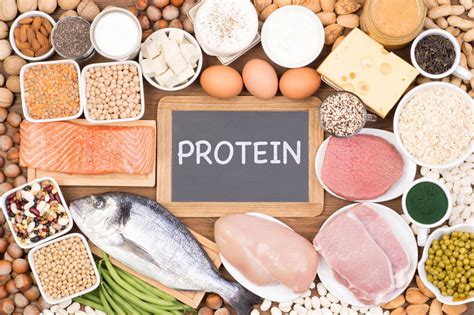
Protein is king for fat loss. It increases satiety, helping you feel fuller for longer, which reduces overall calorie intake. Furthermore, protein has a higher thermic effect of food (TEF) compared to carbs and fats, meaning your body burns more calories digesting it. Aim for 0.7 to 1 gram of protein per pound of body weight daily from sources like lean meats, poultry, fish, eggs, dairy, and legumes.
2. Embrace Healthy Fats
While cutting fat might seem logical for fat loss, healthy fats are essential. They support hormone production, aid in nutrient absorption, and contribute to satiety. Focus on monounsaturated and polyunsaturated fats found in avocados, nuts, seeds, olive oil, and fatty fish like salmon. Limit saturated and trans fats.
3. Smart Carbohydrate Choices
Not all carbs are created equal. Opt for complex carbohydrates rich in fiber, such as whole grains (oats, quinoa, brown rice), fruits, and vegetables. These digest slowly, providing sustained energy and preventing blood sugar spikes that can lead to fat storage. Drastically limit refined carbohydrates, sugary drinks, and processed foods, which are major culprits in abdominal fat accumulation.
4. Hydration and Alcohol Moderation
Drinking plenty of water throughout the day is crucial for metabolism, satiety, and overall health. Conversely, alcohol, especially in excess, can contribute significantly to belly fat. It’s high in calories, can impair fat burning, and often leads to poor food choices. Reducing or eliminating alcohol intake can have a profound impact on your waistline.
Exercise Strategies to Torch Belly Fat
While diet creates the caloric deficit, exercise accelerates fat loss, builds muscle, and improves body composition. Remember, you cannot spot-reduce fat; overall fat loss will eventually reduce belly fat.
1. Compound Strength Training
Lifting weights is paramount. Compound exercises like squats, deadlifts, bench presses, overhead presses, and rows engage multiple muscle groups simultaneously, burning more calories during and after your workout. More muscle mass also means a higher resting metabolic rate, leading to more calories burned even at rest. Aim for 3-4 full-body strength training sessions per week.

2. High-Intensity Interval Training (HIIT)
HIIT involves short bursts of intense exercise followed by brief recovery periods. This method is incredibly effective for fat loss, boosts metabolism, and continues to burn calories long after your workout (EPOC effect). Examples include sprint intervals, battle ropes, or cycling sprints. Incorporate 1-2 HIIT sessions per week.
3. Consistent Cardio (LISS)
While not as potent for fat burning as HIIT or strength training, steady-state cardio (Low-Intensity Steady State) still plays a role. Activities like brisk walking, jogging, or cycling for 30-45 minutes several times a week can contribute to your overall calorie deficit and improve cardiovascular health. It’s also great for stress reduction.

4. Core Strengthening (Not Spot Reduction)
Direct abdominal exercises like planks, leg raises, and bicycle crunches won’t directly burn belly fat, but they will strengthen your core muscles. A strong core is vital for overall stability, posture, and when you do lose the fat, it will reveal a more defined midsection. Integrate core work 2-3 times a week.
Beyond Diet and Exercise: Lifestyle Factors
Don’t underestimate the power of other lifestyle elements in your quest to lose stubborn belly fat.
1. Prioritize Quality Sleep
Lack of sleep can disrupt hormones that regulate appetite (ghrelin and leptin) and increase cortisol levels, all of which can lead to increased fat storage, particularly around the belly. Aim for 7-9 hours of quality sleep per night.

2. Manage Stress Effectively
Chronic stress elevates cortisol, a hormone that promotes fat storage in the abdominal area. Incorporate stress-reducing activities like meditation, yoga, spending time in nature, or hobbies into your daily routine. Finding healthy outlets for stress is crucial for overall well-being and fat loss.
3. Consistency and Patience
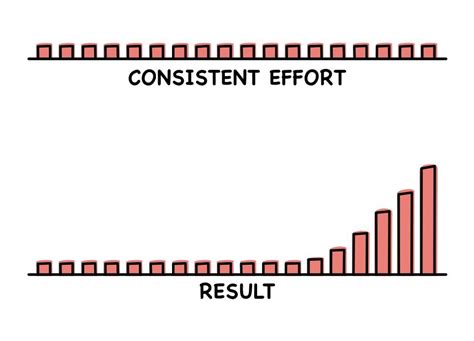
Losing stubborn belly fat is a marathon, not a sprint. Consistency in your diet, exercise, and lifestyle choices is key. Progress might seem slow at times, but sticking to your plan will yield results. Celebrate small victories and remain patient with your body.
Conclusion
Targeting stubborn belly fat in men is a multi-faceted endeavor that requires dedication to both diet and exercise, supported by healthy lifestyle habits. By focusing on a protein-rich, fiber-filled diet, incorporating compound strength training and HIIT, managing stress, and prioritizing sleep, men can effectively reduce abdominal fat and improve their overall health and physique. Remember, consult with a healthcare professional or a registered dietitian before making significant changes to your diet or exercise routine.