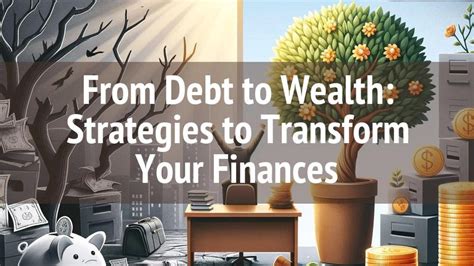
The Dual Challenge: Debt & Wealth
For many men, navigating the financial landscape often presents a significant challenge: how to aggressively tackle existing debt while simultaneously laying the groundwork for substantial wealth accumulation. It’s a common misconception that these two goals must be pursued sequentially – first debt, then wealth. However, with a strategic approach, it’s entirely possible and often more effective to advance on both fronts, creating a powerful synergy for long-term financial success.
This article will outline practical steps and a strategic mindset to help men effectively manage their debt obligations while actively building a robust financial future, ensuring that every dollar works harder for them.
Understanding Your Financial Landscape
The first step toward any successful financial strategy is a clear and honest assessment of your current situation. Begin by cataloging all your debts: credit cards, student loans, car loans, mortgages, and any personal loans. Note the interest rate, outstanding balance, and minimum payment for each. Understanding which debts carry the highest interest rates will be crucial for prioritization.
Next, meticulously track your income and expenses. A detailed budget is non-negotiable. Identify where your money goes each month, distinguishing between essential expenditures and discretionary spending. This exercise often reveals hidden opportunities to free up cash flow that can be redirected towards debt repayment or investments.
Finally, evaluate your current savings, existing investments, and overall net worth. This comprehensive overview will serve as your financial baseline, enabling you to set realistic goals and measure your progress effectively.

Strategic Debt Repayment Methods
Once you have a clear picture of your debts, it’s time to formulate a repayment strategy. Prioritizing high-interest debt, such as credit card balances, should be your immediate focus. The interest paid on these accounts can significantly erode your wealth-building potential.
Consider two popular methods: the debt snowball and the debt avalanche. The debt snowball involves paying off the smallest debt first to gain psychological momentum, while the debt avalanche tackles debts with the highest interest rates first, saving you more money in the long run. Choose the method that best aligns with your personality and motivation, but be aware that the avalanche method is mathematically superior.
Explore options for debt consolidation or refinancing, especially for high-interest loans. Consolidating multiple debts into a single loan with a lower interest rate can simplify payments and reduce the total amount of interest paid over time, freeing up more capital for investment.
Foundations of Wealth Building
While aggressively paying down debt, it’s imperative not to neglect the foundational elements of wealth building. The first and most critical step is establishing a fully funded emergency fund, typically covering 3 to 6 months of living expenses. This fund acts as a financial safety net, preventing you from incurring new debt when unexpected costs arise.
Simultaneously, take full advantage of employer-sponsored retirement plans like a 401(k) or 403(b), particularly if your employer offers a matching contribution. This match is essentially free money and provides an immediate, guaranteed return on your investment, making it one of the most powerful wealth-building tools available.
Even if you’re still paying down debt, contributing at least enough to get the full employer match should be a non-negotiable part of your financial plan. It’s a perfect example of simultaneously addressing debt and building wealth.
Investing While Paying Down Debt
The key to building wealth simultaneously with debt repayment lies in finding the right balance. Once your emergency fund is solid and you’re contributing enough to your retirement plan to capture the employer match, allocate additional funds strategically. For high-interest consumer debt (e.g., credit cards over 8-10% interest), prioritizing aggressive repayment usually makes the most financial sense, as the guaranteed return of avoiding that interest often outweighs potential investment returns.

However, for lower-interest debts like student loans or mortgages, a balanced approach can be more effective. Consider investing a portion of your extra cash into low-cost index funds or Exchange Traded Funds (ETFs) after ensuring your high-interest debts are under control. These vehicles offer broad market exposure and diversification, allowing your money to grow over the long term through compounding, even as you continue to make extra payments on your lower-interest debts.
Automating your savings and investments is a powerful strategy. Set up automatic transfers from your checking account to your investment accounts and debt payments. This removes the temptation to spend the money and ensures consistent progress toward both your debt repayment and wealth accumulation goals.

Cultivating Smart Financial Habits
Achieving financial mastery isn’t just about strategies; it’s about developing sustainable habits. Commit to continuous financial education, regularly reading books, articles, and reputable financial news. The more you learn, the more confident and capable you’ll become in making informed financial decisions.
Regularly review your budget, financial goals, and investment performance. Life circumstances change, and your financial plan should evolve with them. Adjust your allocations between debt repayment and investing as your income increases, debts decrease, or new financial goals emerge.
Finally, be wary of lifestyle creep. As your income grows, resist the urge to immediately upgrade your lifestyle proportionally. Instead, redirect a significant portion of any raises or bonuses towards accelerating debt repayment and increasing your investments. This discipline is paramount for long-term wealth creation.

The Path to Financial Freedom
Effectively paying down debt and building wealth simultaneously is a marathon, not a sprint. It requires discipline, consistency, and a long-term perspective. By understanding your financial situation, strategically tackling debt, establishing robust wealth-building foundations, and cultivating smart financial habits, men can navigate the complexities of personal finance with confidence.
Embrace this dual approach, and you’ll not only liberate yourself from the burden of debt but also forge a path toward lasting financial security and the freedom to pursue your life’s ambitions.