
Understanding Testosterone and Its Impact
Testosterone is the primary male sex hormone, crucial for more than just libido. It plays a vital role in muscle mass development, bone density, red blood cell production, and mood regulation. As men age, testosterone levels naturally decline, often leading to symptoms such as fatigue, reduced muscle mass, increased body fat, decreased sex drive, and difficulty concentrating. While medical interventions exist, many men are seeking natural, sustainable ways to optimize their testosterone for improved energy, vitality, and better gains in the gym.
Optimize Your Diet for Hormone Health
What you eat directly impacts your hormonal balance. A diet rich in nutrient-dense whole foods is paramount:
- Healthy Fats: Cholesterol is a precursor to testosterone. Incorporate monounsaturated and polyunsaturated fats from avocados, nuts, seeds, olive oil, and fatty fish (salmon, mackerel). Avoid excessive trans fats.
- Protein: Essential for muscle repair and growth, adequate protein intake supports overall bodily functions, including hormone production. Aim for lean sources like chicken, turkey, eggs, and legumes.
- Micronutrients:
- Zinc: Crucial for testosterone production. Found in oysters, red meat, poultry, beans, and nuts.
- Vitamin D: More a hormone than a vitamin, Vitamin D is strongly linked to testosterone levels. Get sun exposure or supplement, especially in winter months.
- Magnesium: Can increase free and total testosterone. Rich sources include leafy greens, nuts, seeds, and dark chocolate.
- Limit Sugar and Processed Foods: High sugar intake can lead to insulin resistance and inflammation, both detrimental to testosterone levels.
Train Smart: The Right Exercise for Testosterone
While all exercise is beneficial, certain types are more effective for testosterone optimization:
- Strength Training: Lifting heavy weights, especially compound movements (squats, deadlifts, bench presses, rows), is a powerful stimulus for testosterone release. Focus on progressive overload.
- High-Intensity Interval Training (HIIT): Short bursts of intense exercise followed by brief recovery periods have been shown to boost testosterone more effectively than steady-state cardio.
- Avoid Overtraining: Chronic, excessive cardio or strength training without adequate recovery can elevate cortisol (a stress hormone), which can suppress testosterone. Listen to your body and prioritize rest days.

Prioritize Rest: The Power of Sleep
Sleep deprivation is a major enemy of testosterone. Most testosterone is produced during deep sleep cycles.
- Aim for 7-9 Hours: Consistently getting enough quality sleep is critical. Studies show even one week of restricted sleep can significantly lower testosterone.
- Improve Sleep Hygiene:
- Go to bed and wake up at the same time daily, even on weekends.
- Create a dark, cool, and quiet bedroom environment.
- Avoid screens (phones, tablets, computers) for at least an hour before bed.
- Limit caffeine and alcohol intake in the evening.

Combat Stress to Preserve Testosterone
Chronic stress leads to elevated cortisol levels. Cortisol and testosterone have an inverse relationship; when cortisol goes up, testosterone tends to go down.
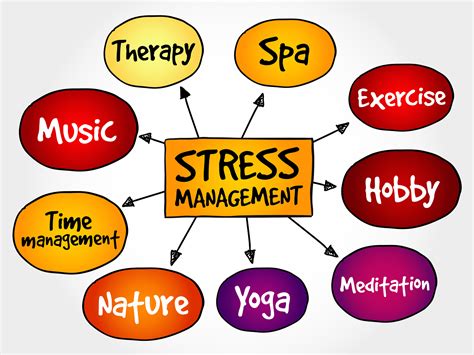
- Stress Reduction Techniques: Incorporate practices like meditation, deep breathing exercises, yoga, spending time in nature, or engaging in hobbies you enjoy.
- Balance Work and Life: Ensure you’re not constantly under pressure without periods of relaxation and recovery.
Smart Lifestyle Choices and Supplemental Support
- Limit Alcohol: Excessive alcohol consumption can negatively impact testosterone production and liver health. Moderate intake is key.
- Maintain a Healthy Weight: Obesity, particularly abdominal fat, is associated with lower testosterone levels. Fat cells convert testosterone into estrogen via an enzyme called aromatase.
- Consider Natural Supplements (with caution): While no supplement is a magic bullet, some have shown promise in conjunction with a healthy lifestyle:
- Ashwagandha: An adaptogen that can help reduce stress and improve testosterone levels in some men.
- Fenugreek: Some studies suggest it can support free and total testosterone.
- D-Aspartic Acid (DAA): May play a role in testosterone synthesis, though results are mixed.
Always consult with a healthcare professional before starting any new supplement regimen.
Conclusion
Boosting testosterone naturally is a holistic endeavor, requiring consistent effort across multiple lifestyle pillars. By optimizing your diet, engaging in smart exercise, prioritizing quality sleep, managing stress, and making mindful lifestyle choices, you can significantly improve your body’s ability to produce testosterone. This comprehensive approach will not only contribute to better energy and muscle gains but also enhance your overall health, vitality, and well-being. Remember, small, consistent changes yield the greatest long-term results. If you suspect significantly low testosterone, always consult a doctor for proper diagnosis and guidance.