Building a Solid Financial Foundation
Many men aspire to build long-term wealth but feel intimidated or limited by a smaller budget. The good news is that you don’t need a large sum of money to start investing. What you need is a strategic approach, consistency, and a long-term mindset. The journey begins not with investing, but with fortifying your financial base.
First and foremost, establish a clear budget. Understanding where your money goes is crucial for identifying funds that can be allocated to savings and investments. Track your income and expenses rigorously for a few months. Look for areas where you can trim unnecessary spending. Even small, consistent savings can accumulate significantly over time.
Once you have a handle on your budget, prioritize building an emergency fund. This fund, typically 3-6 months’ worth of living expenses, acts as a financial safety net, preventing you from needing to sell investments prematurely during unexpected hardships. Only after securing this foundation should you confidently move into the investment phase.

Accessible Investment Avenues for the Small Budget Investor
When you’re ready to invest, several options are particularly well-suited for smaller budgets and beginners:
-
Robo-Advisors
Platforms like Betterment or Wealthfront offer automated investment management. You answer a few questions about your financial goals and risk tolerance, and the robo-advisor builds and manages a diversified portfolio of low-cost ETFs. Minimums are often as low as $0-$500, and fees are significantly lower than traditional financial advisors.
-
ETFs (Exchange-Traded Funds) & Index Funds
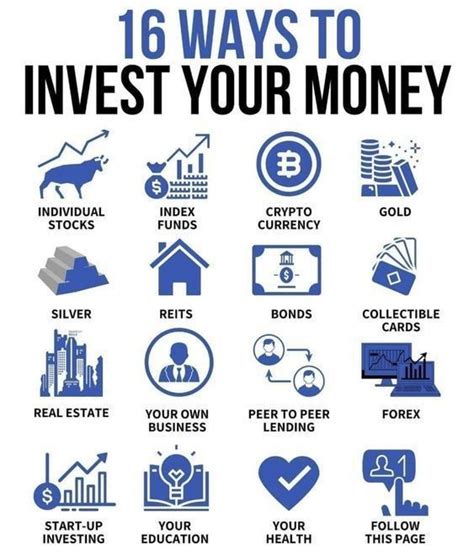
These are collections of stocks or bonds that track a specific index, like the S&P 500. They offer instant diversification, are typically low-cost, and can be bought in small increments, often without commission. Many brokerages allow you to purchase fractional shares of ETFs.
-
Fractional Shares
Several brokerages now allow you to buy fractions of individual stocks or ETFs. This means you don’t need hundreds or thousands of dollars to buy a single share of a high-priced company. You can invest as little as $5 or $10 into a company you believe in.
-
Employer-Sponsored Retirement Plans (401k/403b)
If your workplace offers a 401k or 403b, this is often the best place to start. Contributions are usually deducted directly from your paycheck, making it easy to automate. Crucially, many employers offer matching contributions, which is essentially free money – a 100% return on your investment from day one. Invest at least enough to get the full match.
-
Roth IRAs
A Roth IRA allows your investments to grow tax-free, and withdrawals in retirement are also tax-free. You contribute with after-tax money, and the contribution limits are reasonable, making it accessible for those with smaller budgets. It’s an excellent vehicle for long-term growth.

Cultivating the Right Investment Mindset
Beyond choosing the right vehicles, success in investing, especially with a smaller budget, hinges on adopting key principles:
-
Consistency Over Quantity
Regular, automated contributions, even if small ($25-$50 a week/month), are far more effective than sporadic large contributions. This practice, known as dollar-cost averaging, smooths out market fluctuations by ensuring you buy more shares when prices are low and fewer when prices are high.
-
The Power of Compounding
Albert Einstein reportedly called compound interest the eighth wonder of the world. It’s the process where your earnings generate their own earnings. The earlier you start, the more time your money has to compound, exponentially growing your wealth over decades.
-
Diversification is Key
Don’t put all your eggs in one basket. By investing across different asset classes (stocks, bonds), industries, and geographies, you reduce risk. If one investment performs poorly, others may perform well, balancing your overall portfolio.
-
Long-Term Vision
The stock market has historically trended upwards over long periods, despite short-term volatility. Resist the urge to panic sell during market downturns. Focus on your long-term goals and let your investments ride out the fluctuations.

Practical Steps to Begin Your Investing Journey
Ready to take action? Follow these steps to kickstart your investment journey:
-
Define Your Financial Goals
Are you saving for retirement, a down payment on a house, or financial independence? Clear goals will help you determine your timeline, risk tolerance, and how much you need to save and invest.
-
Choose the Right Platform
Research and select a brokerage firm or robo-advisor that aligns with your needs. Look for low fees, low minimums, and user-friendly interfaces. Examples include Fidelity, Vanguard, Charles Schwab, M1 Finance, and the aforementioned robo-advisors.
-
Automate Your Investments
Set up automatic transfers from your checking account to your investment account on a regular schedule (e.g., weekly, bi-weekly, or monthly). This ensures consistency and removes the temptation to spend the money instead.
-
Continuously Learn and Adapt
The financial world is constantly evolving. Dedicate time to learning about personal finance, investment strategies, and economic trends. The more informed you are, the better decisions you’ll make. Periodically review your portfolio and adjust it as your goals or circumstances change.

Starting to invest with a smaller budget is not just possible; it’s a powerful way to leverage time and consistency to build substantial wealth. The most important step is simply to begin. With discipline, education, and the right strategies, men can confidently navigate the path to long-term financial security, regardless of their starting capital.