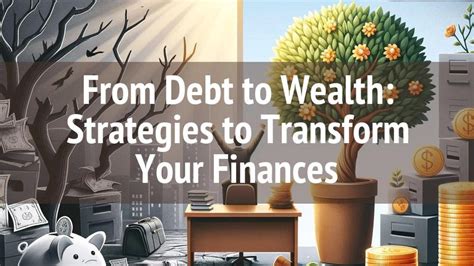
For many, the journey to financial stability feels like a constant tug-of-war between two crucial goals: building a robust emergency fund and aggressively paying down debt. Both are vital for securing your financial future, but how do you prioritize and make progress on both simultaneously? This article will guide you through practical strategies to tackle this common dilemma effectively.
The Essential Duo: Why You Need Both
An emergency fund acts as your financial safety net, protecting you from unexpected expenses like job loss, medical emergencies, or car repairs without resorting to high-interest debt. Without one, a minor setback can quickly derail your debt repayment efforts. Conversely, high-interest debt can be a significant drain on your income, making it harder to save and delaying your financial freedom. The key is to find a harmonious balance that allows you to address both without feeling overwhelmed.

Step 1: Build a Mini Emergency Fund First
Before throwing every spare dollar at your debt, create a small, accessible emergency fund—typically $1,000 to $2,000. This “starter fund” provides immediate peace of mind and prevents new debt from accumulating when an inevitable unexpected expense arises. Think of it as your first line of defense. This foundational sum will prevent you from undoing your hard work on debt repayment the moment life throws a curveball.
Step 2: Choose Your Debt Repayment Strategy
Once your mini emergency fund is in place, you can shift your primary focus to debt. There are two popular methods:
Debt Snowball Method
List your debts from smallest balance to largest. Pay the minimum on all debts except the smallest, on which you pay as much extra as possible. Once the smallest is paid off, take the money you were paying on it and add it to the minimum payment of the next smallest debt. This method provides psychological wins that keep you motivated.
Debt Avalanche Method
List your debts from highest interest rate to lowest. Pay the minimum on all debts except the one with the highest interest rate, on which you pay as much extra as possible. Once it’s paid off, move to the next highest interest rate debt. This method saves you the most money in interest over time.
Step 3: Supercharge Your Budget
A well-crafted budget is the cornerstone of any effective financial plan. It helps you understand where your money is going and identify areas where you can cut back. Look for non-essential expenses you can reduce or eliminate temporarily to free up more cash for either your emergency fund (until it’s fully funded) or your debt payments. Every dollar saved is a dollar earned for your financial goals.
- Review subscriptions and memberships.
- Cook at home more often.
- Look for cheaper alternatives for everyday items.
- Reduce discretionary spending on entertainment or shopping.

Step 4: Prioritize and Allocate Extra Funds
Once your mini-emergency fund is established, and you’ve optimized your budget, you’ll likely find some extra cash. Now comes the strategic decision: where does it go? The general rule is to attack high-interest debt aggressively. However, if your emergency fund is still very small (e.g., less than 3-6 months of essential expenses), you might consider a 50/50 split – half to debt, half to emergency savings – until your emergency fund is more substantial. After hitting your full emergency fund goal, dedicate 100% of extra funds to debt repayment.
Step 5: Boost Your Income
While cutting expenses is effective, increasing your income can accelerate both your savings and debt repayment efforts significantly. Consider options like:
- Taking on a side hustle (freelancing, delivery services, online tutoring).
- Selling unused items around your home.
- Negotiating a raise at your current job.
- Seeking out a higher-paying job.
Every additional dollar earned can be directly funneled into your chosen financial goal, creating a powerful compounding effect.

Step 6: Automate Your Savings and Payments
Automation is your best friend in personal finance. Set up automatic transfers from your checking account to your emergency savings account each payday. Similarly, set up automatic payments for your debts, ensuring you never miss a payment and avoid late fees. Once you’ve chosen your debt strategy, automate the extra payments to your target debt to ensure consistency.

Conclusion
Building an emergency fund and paying down debt simultaneously is a challenging but entirely achievable goal. By establishing a starter emergency fund, choosing a focused debt repayment strategy, optimizing your budget, and looking for ways to boost your income, you can make significant progress on both fronts. Remember, consistency and discipline are key. With a clear plan and unwavering commitment, you can secure your financial present and future.