The Cornerstone of Financial Success
In the quest for financial independence, many paths are advertised, but few are as fundamental and effective as a well-crafted budget. It’s more than just tracking expenses; it’s a strategic roadmap that empowers you to take control of your money, direct it towards your goals, and transform your financial future. This article will guide you through creating a budget that doesn’t just manage your money, but actively fuels smart investments and systematically cuts down debt.

Understand Your Financial Landscape
Before you can chart a course, you need to know your starting point. Begin by gathering all your financial statements: bank accounts, credit cards, loans, and investment accounts. Calculate your total monthly income from all sources. Then, list all your fixed expenses (rent/mortgage, loan payments, insurance) and variable expenses (groceries, utilities, entertainment). This initial assessment reveals where your money is currently going and forms the bedrock of your budget.
A crucial step here is to differentiate between needs and wants. Needs are essential for living (housing, food, transportation, basic utilities), while wants are discretionary (dining out, subscriptions, new gadgets). Being honest about these distinctions is vital for effective budgeting.
Choose Your Budgeting Blueprint
There isn’t a one-size-fits-all budget, which is great because you can pick one that suits your style. Popular methods include:
- The 50/30/20 Rule: Allocate 50% of your after-tax income to needs, 30% to wants, and 20% to savings and debt repayment. This offers a balanced approach.
- Zero-Based Budgeting: Every dollar has a job. You assign all your income to specific categories until your income minus your expenses equals zero. This provides maximum control.
- The Envelope System: A classic for cash users, where you allocate cash into physical envelopes for different spending categories. Once an envelope is empty, you stop spending in that category until the next budgeting period.
Experiment to find the method that resonates with you and that you can consistently stick to.
Mastering Your Spending Habits
Once you have a budget framework, the next step is diligent tracking. This can be done manually with a spreadsheet, through budgeting apps (like Mint, YNAB, Personal Capital), or via your bank’s budgeting tools. The goal is to compare your actual spending against your budgeted amounts. Don’t be discouraged if you overspend in some categories initially; tracking provides insights into where adjustments are needed.
Regularly reviewing your spending helps identify spending leaks – those small, often overlooked expenses that add up over time. These could be unused subscriptions, daily coffees, or impulse purchases.

Slash Debt Strategically
With a clear picture of your income and expenses, you can now redirect funds towards debt reduction. Focus on high-interest debt first, such as credit cards or personal loans. Two popular strategies are:
- Debt Avalanche: Pay off debts with the highest interest rates first, regardless of the balance, while making minimum payments on others. This saves you the most money on interest.
- Debt Snowball: Pay off debts with the smallest balances first, while making minimum payments on others. This provides psychological wins and motivation.
Allocate any extra funds you identify through budgeting directly to your chosen debt reduction strategy. Watch your balances shrink and celebrate each milestone.

Fuel Smart Investments
As debt diminishes, or alongside your debt repayment efforts, your budget should carve out a significant portion for investments. Start with an emergency fund – typically 3-6 months’ worth of living expenses – in a high-yield savings account. This safety net prevents future debt accumulation.
Then, prioritize retirement accounts (401k, IRA), especially if your employer offers a match – that’s free money! After that, consider other investment vehicles like taxable brokerage accounts for long-term growth. Automate your investments to make them consistent and effortless. Even small, regular contributions can grow substantially over time due to the power of compounding.
Review, Adjust, and Conquer
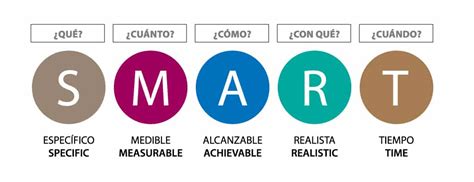
A budget isn’t a static document; it’s a living tool. Your financial situation, goals, and even economic conditions will change. Make it a habit to review your budget at least monthly, or quarterly. Are your categories still relevant? Have your income or expenses changed? Are you still on track to meet your investment and debt reduction goals?
Don’t be afraid to adjust. The most effective budgets are flexible and evolve with you. The ultimate goal is to create a sustainable financial system that brings you peace of mind and moves you steadily towards financial fitness.
Your Path to Financial Empowerment
Creating a budget that fuels smart investments and cuts debt is not about deprivation; it’s about liberation. It’s about consciously deciding where your money goes so that it works harder for you, not against you. By understanding your finances, choosing the right method, tracking diligently, tackling debt, and consistently investing, you lay a solid foundation for lasting financial health and freedom. Start today, and watch your financial fitness transform.