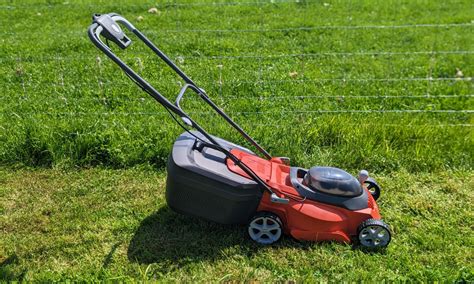
For homeowners and lawn care enthusiasts, the type of fuel used in their lawnmowers is often a point of discussion. A common piece of advice is to use ethanol-free gasoline to prolong engine life. But is this just an old wives’ tale, or is there a genuine benefit to avoiding ethanol in your small engine fuel? Let’s cut through the grass and get to the truth.
The Ethanol Problem in Small Engines
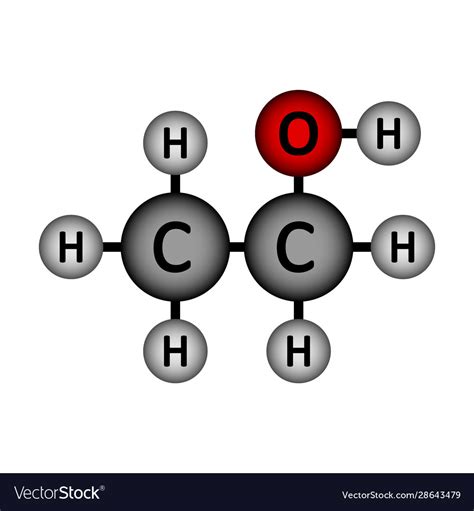
Ethanol is an alcohol blended into most modern gasoline, primarily to boost octane and serve as a renewable fuel source. While generally fine for automotive engines designed to handle it, ethanol can be problematic for the smaller, less robust engines found in lawnmowers, string trimmers, and other outdoor power equipment.
The core issue stems from ethanol’s properties. It is ‘hygroscopic,’ meaning it readily absorbs and attracts water. When water gets into your fuel tank, it can lead to corrosion of metal components. Additionally, ethanol is a solvent, which can degrade certain plastics and rubber components commonly found in older small engine fuel systems, such as fuel lines, gaskets, and carburetor parts.
Over time, this degradation can cause fuel system leaks, clogs from dissolved material, and even carburetor damage, leading to poor engine performance, difficult starting, and eventual engine failure. Storing equipment with ethanol-blended fuel for extended periods, such as over winter, exacerbates these issues as the water absorption and corrosive effects have more time to take their toll.
![[Carbon Class 10] Ethanol - Physical and Chemical Properties, Uses](/images/aHR0cHM6Ly90czIubW0uYmluZy5uZXQvdGg/aWQ9T0lQLnBmeGJUZnlRTnBSWUpITllUQmNFZVFIYUhnJnBpZD0xNS4x.webp)
The Case for Ethanol-Free Gas
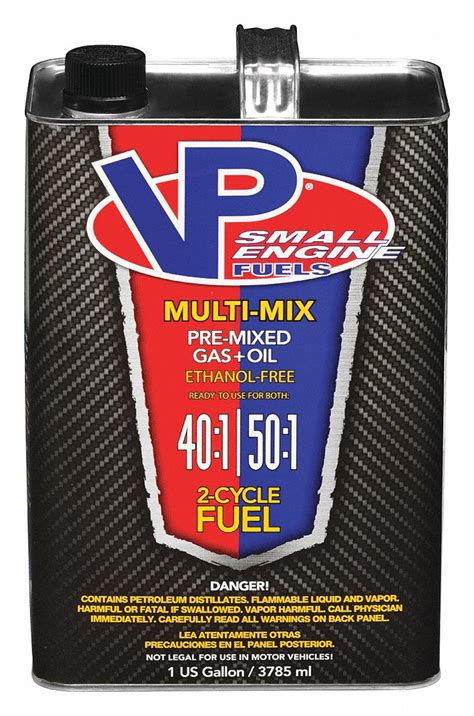
Using ethanol-free gasoline directly addresses these problems. Without ethanol, there’s no component to readily attract water into the fuel system, significantly reducing the risk of corrosion. Furthermore, the absence of ethanol means there’s no solvent to break down susceptible rubber and plastic components, preserving the integrity of fuel lines and carburetor parts.
The benefits are tangible: smoother engine operation, more reliable starting, and a drastically reduced chance of fuel system-related breakdowns. For equipment that sits idle for weeks or months, ethanol-free fuel minimizes the risk of gumming and varnish buildup that can clog carburetors and fuel injectors. This directly translates to increased engine longevity and fewer costly repairs.
Many manufacturers of small engines and outdoor power equipment now recommend or even require ethanol-free fuel for optimal performance and extended lifespan, especially for higher-end or commercial-grade machines. This recommendation alone suggests that the benefits are more than just anecdotal.

Is Ethanol-Free Always the Answer?
While the advantages are clear, ethanol-free gas does come with a few considerations. It can be more expensive than regular pump gasoline and might not be as readily available in all areas. Some gas stations specifically market it for small engines, often at a premium.
For those who cannot easily access ethanol-free fuel, using a high-quality fuel stabilizer specifically designed for ethanol-blended fuels can mitigate some of the negative effects. These stabilizers work by preventing water absorption and reducing the breakdown of fuel components, though they are not a complete substitute for ethanol-free gas.
Ultimately, the decision often comes down to balancing cost, convenience, and the value you place on your equipment’s longevity. For valuable or frequently used machines, the investment in ethanol-free fuel is usually well worth it.
Practical Tips for Fueling Your Lawnmower
- Check Your Owner’s Manual: Always refer to your equipment’s manual for specific fuel recommendations.
- Use Fresh Fuel: Regardless of ethanol content, always use fresh gasoline. Fuel degrades over time, typically within 30-60 days.
- Store Fuel Properly: Keep gasoline in approved containers in a cool, dry place, away from direct sunlight.
- Don’t Leave Fuel in the Tank: For seasonal storage, it’s best to run the tank dry or use a fuel stabilizer and top off the tank to minimize air space, then treat the fuel for storage.

Conclusion: Myth or Fact?
The claim that ethanol-free gas prolongs lawnmower longevity is largely a fact, not a myth. The properties of ethanol make it detrimental to the fuel systems of many small engines, leading to corrosion, material degradation, and ultimately, premature failure.
By opting for ethanol-free gasoline, you significantly reduce these risks, ensuring more reliable starting, smoother operation, and a longer life for your valuable outdoor power equipment. While it may require a bit more effort or expense to acquire, the peace of mind and the savings on future repairs make it a worthwhile investment for any homeowner serious about maintaining their lawnmower.