For many men, the quest to shed stubborn belly fat while simultaneously building a more muscular physique can feel like a contradiction. However, with a targeted and consistent dietary approach, it’s not only possible but achievable. This guide will break down the essential nutritional strategies tailored for men aiming to optimize body composition by losing fat and gaining muscle.
The Caloric Sweet Spot: Balancing Fat Loss and Muscle Growth
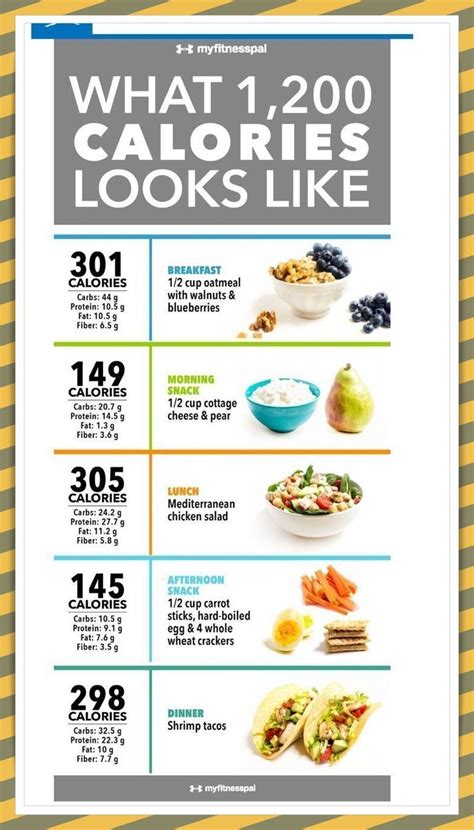
The foundation of any body composition change lies in caloric intake. To lose fat, you generally need to be in a caloric deficit, meaning you consume fewer calories than your body burns. To build muscle, a slight caloric surplus is often recommended. The key for men looking to do both is a carefully managed, moderate caloric deficit combined with adequate protein intake.
A good starting point is to calculate your maintenance calories and then aim for a deficit of 300-500 calories per day. This deficit is usually enough to promote fat loss without significantly hindering muscle recovery and growth, especially when coupled with proper resistance training. However, consistently hitting your protein goals is paramount to preserve existing muscle and support new growth during this deficit.
Mastering Macronutrients: The Foundation of Your Diet
While total calories are important, the source of those calories – your macronutrients – dictates your results. For men targeting belly fat and muscle gain, the following ratios are often effective:
- Protein (30-40% of total calories): This is non-negotiable. Protein is crucial for muscle repair and growth, satiety, and has a higher thermic effect (meaning your body burns more calories digesting it) than carbs or fats. Aim for 1.6 to 2.2 grams of protein per kilogram of body weight (or 0.7 to 1 gram per pound). Focus on lean sources like chicken breast, turkey, lean beef, fish, eggs, Greek yogurt, and protein powder.
- Carbohydrates (30-40% of total calories): Carbs fuel your workouts and replenish glycogen stores, which are vital for performance and recovery. Prioritize complex carbohydrates such as oats, brown rice, quinoa, sweet potatoes, whole-grain bread, and plenty of fibrous vegetables. Limit simple sugars and refined grains, which contribute to fat storage and energy crashes.
- Healthy Fats (20-30% of total calories): Fats are essential for hormone production (including testosterone), nutrient absorption, and overall health. Incorporate sources like avocados, nuts, seeds, olive oil, and fatty fish (salmon, mackerel). Avoid trans fats and limit saturated fats.
Strategic Food Choices: What to Eat for Optimal Results
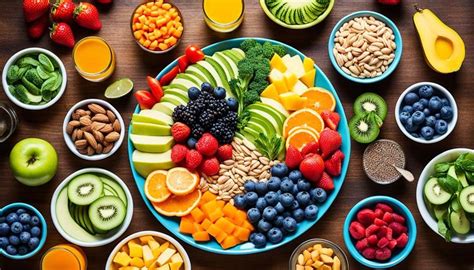
Beyond macronutrient percentages, the quality of your food plays a significant role. Prioritize whole, unprocessed foods that are nutrient-dense. These foods typically have a higher fiber content, which aids satiety and digestive health, crucial for managing hunger during a caloric deficit.
- Lean Proteins: Chicken breast, turkey, lean beef, fish (salmon, cod, tuna), eggs, cottage cheese, Greek yogurt.
- Complex Carbohydrates: Oats, quinoa, brown rice, sweet potatoes, whole-wheat pasta, whole-grain bread.
- Fibrous Vegetables: Broccoli, spinach, kale, bell peppers, asparagus, Brussels sprouts. These are low in calories but high in nutrients and fiber, helping you feel full.
- Healthy Fats: Avocados, nuts (almonds, walnuts), seeds (chia, flax), olive oil, fatty fish.
- Fruits: Berries, apples, bananas (especially around workouts), oranges.
Minimizing highly processed foods, sugary drinks, and excessive alcohol intake is paramount. These items often contribute empty calories and can hinder fat loss and muscle recovery.
Tackling Stubborn Belly Fat: Beyond Calories
Stubborn belly fat, particularly visceral fat (the fat surrounding organs), is often linked to insulin sensitivity and chronic stress. While a caloric deficit is primary, certain dietary choices can help target this specifically:
- Increase Fiber Intake: Soluble fiber, found in oats, beans, apples, and citrus fruits, can help reduce belly fat by promoting satiety and improving gut health.
- Control Insulin Spikes: Focus on low-glycemic index carbohydrates and combine carbs with protein and fats to slow digestion and prevent sharp insulin spikes, which can promote fat storage around the midsection.
- Limit Added Sugars: Fructose, especially from added sugars, is strongly linked to increased belly fat.
- Stay Hydrated: Drinking plenty of water supports metabolism and can help reduce bloating, making the midsection appear leaner.
Meal Timing and Hydration for Peak Performance
While the total daily intake matters most, strategic meal timing can support your goals. Distribute your protein intake across 4-6 meals or snacks throughout the day to maximize muscle protein synthesis. Consuming protein and complex carbs before and after workouts can optimize energy levels and recovery.
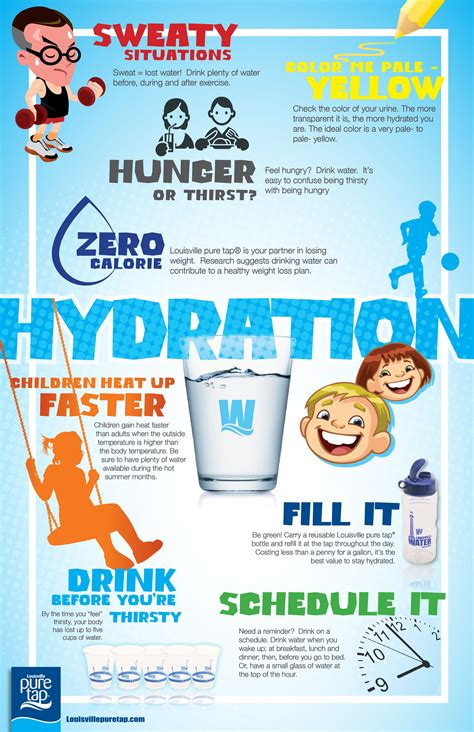
Hydration: Don’t underestimate the power of water. Aim for at least 3-4 liters of water per day. Proper hydration is essential for metabolic function, nutrient transport, workout performance, and can help differentiate between hunger and thirst signals.
Consistency and Patience: The Ultimate Ingredients
Achieving significant body composition changes takes time and unwavering consistency. There will be plateaus and challenges, but sticking to your diet plan and regularly assessing your progress (e.g., weekly weigh-ins, body measurements, progress photos) will keep you on track. Adjust your caloric intake or macronutrient ratios as your body adapts or your goals shift.
Remember that this is a marathon, not a sprint. Celebrate small victories and remain patient with the process. The combination of a well-structured diet and consistent resistance training will yield the best results for shedding stubborn belly fat and building a lean, muscular physique.
Conclusion
Targeting stubborn belly fat and building lean muscle requires a strategic and disciplined dietary approach. By maintaining a moderate caloric deficit, prioritizing lean protein, balancing complex carbohydrates and healthy fats, making smart food choices, and staying hydrated, men can effectively sculpt their physiques. Consistency is key, so commit to these strategies for long-term success and a healthier, stronger body.