Understanding Octane and Your Engine’s Needs
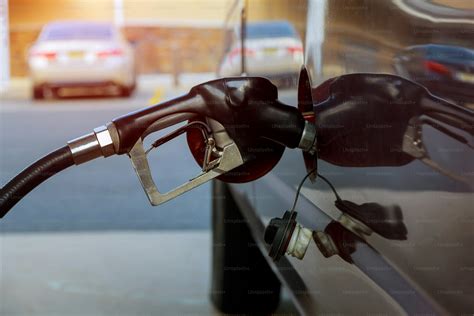
Most drivers encounter the choice between regular and premium gasoline at the pump, often wondering if opting for the more expensive fuel will translate into better mileage or save money in the long run. The belief that premium gas offers a performance boost or enhanced fuel economy is a widespread misconception, particularly for vehicles not specifically designed to require it.
What Does “Premium” Really Mean?
The primary difference between regular (typically 87 octane) and premium (91-93 octane) gasoline is its octane rating. Octane is a measure of a fuel’s resistance to “knock” or pre-ignition, which occurs when the fuel-air mixture ignites prematurely in the engine’s cylinders, leading to a knocking sound and potential engine damage. Higher octane fuel is more resistant to this phenomenon, allowing engines with higher compression ratios or forced induction (turbochargers, superchargers) to operate at peak efficiency without detonation.
The Mileage and Performance Myth Debunked
For the vast majority of vehicles on the road, using premium gas when the manufacturer recommends regular will offer no benefit in terms of mileage, power, or engine longevity. These cars are designed and tuned to run optimally on regular 87 octane fuel. Their engines simply cannot take advantage of the higher octane rating. It’s akin to giving a bicycle jet fuel – it won’t make it go faster because it’s not designed to utilize that type of energy.

When Premium Gas IS Necessary
Only vehicles whose manufacturers specifically recommend or require premium fuel will benefit from it. This usually applies to high-performance cars, luxury vehicles, or models with high-compression, turbocharged, or supercharged engines. For these engines, premium fuel prevents pre-ignition, allowing the engine’s computer to advance timing and maximize power and efficiency as intended. Your car’s owner’s manual is the definitive guide on what fuel type your vehicle needs.

Modern Engines and Knock Sensors
Modern vehicles are equipped with sophisticated engine control units (ECUs) and knock sensors. If you accidentally put regular gas in a car that requires premium, the knock sensor will detect the early combustion (pre-ignition) and instruct the ECU to retard the ignition timing. This adjustment protects the engine from damage but can result in a slight decrease in power and fuel efficiency. Conversely, putting premium in a car designed for regular fuel will not trigger any beneficial adjustment; the engine will simply run as it would on regular, wasting your money.

The Cost Factor: Is It Worth the Extra Money?
Considering the typical price difference of $0.20 to $0.70 per gallon between regular and premium, consistently using premium gas in a vehicle that doesn’t require it quickly adds up. For a daily driver filling up 15 gallons once a week, an extra $0.50 per gallon means an additional $7.50 per fill-up, or roughly $390 annually, with no tangible benefit. This money could be better spent on routine maintenance, tires, or simply saved.
Conclusion: Stick to Your Owner’s Manual
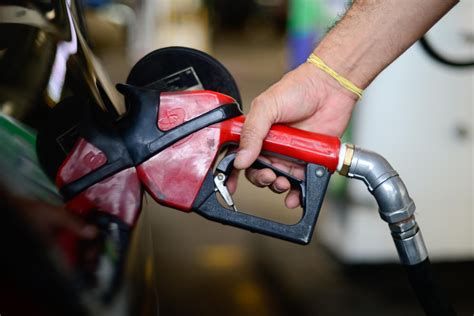
For the vast majority of daily drivers, premium gas does not boost mileage, enhance performance, or save money. In fact, it does the opposite by adding unnecessary cost. The most reliable and cost-effective strategy is to always follow your vehicle manufacturer’s recommendation as outlined in your owner’s manual. If your car is designed for regular unleaded, stick with it. You’ll keep more money in your wallet and ensure your engine runs exactly as it was intended.