Unpacking the Premium Fuel Debate
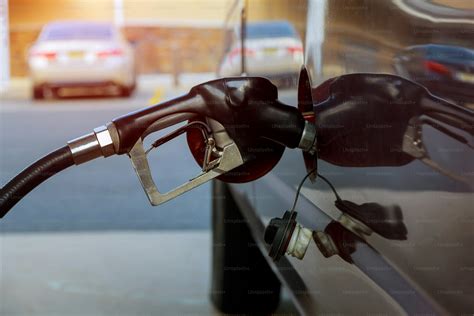
The allure of premium fuel often sparks a lively debate among car owners: is it a secret to better performance and savings, or simply an extra cost for no tangible benefit? Many drivers instinctively reach for the higher-octane option, believing it will make their engine run cleaner, more efficiently, or last longer. However, the reality is often more nuanced and depends heavily on your vehicle’s specific engineering.

Understanding Octane and Engine Requirements
At its core, premium fuel is defined by its higher octane rating, typically 91 or 93, compared to regular gasoline’s 87. Octane measures a fuel’s resistance to “knocking” or “pre-ignition” – an uncontrolled combustion that can damage an engine. Engines with higher compression ratios, turbochargers, or superchargers are designed to operate under greater stress, making them susceptible to knocking if lower-octane fuel is used. These engines precisely time their combustion to maximize power and efficiency, and premium fuel helps prevent premature ignition under these demanding conditions.
When Premium is a Prerequisite
For certain high-performance and luxury vehicles, premium fuel isn’t an option; it’s a requirement. Consult your owner’s manual. If it explicitly states “premium fuel only” or “91+ octane required,” then using anything less can lead to engine knocking, reduced performance, and potentially long-term engine damage. Modern engines equipped with knock sensors can often adjust timing to compensate for lower octane, but this usually comes at the cost of power and fuel efficiency, negating any perceived savings at the pump.

The Majority: When Regular Fuel Suffices
Conversely, the vast majority of vehicles on the road today are designed to run optimally on regular 87-octane gasoline. If your owner’s manual recommends “regular fuel” or states “premium recommended” but not “required,” then filling up with premium is likely throwing money away. These engines are not engineered to utilize the higher octane, and therefore, premium fuel offers no performance advantage, no increase in fuel economy, and no additional cleaning benefits. The combustion process will occur exactly as it would with regular gasoline, but you’ll have paid more per gallon.
Dispelling Common Myths and Misconceptions
- “Premium cleans your engine better.” Fuel detergents are federally mandated for all grades of gasoline. While premium fuels might sometimes contain a slightly higher concentration of additives, all grades meet the same basic cleaning standards.
- “You’ll get better gas mileage with premium.” For cars designed for regular fuel, this is false. Any perceived mileage improvement is typically coincidental or psychosomatic.
- “It makes your car faster.” Again, unless your engine is specifically tuned for higher octane, you won’t experience a power boost. In fact, for regular-fuel engines, it can even slightly reduce efficiency as the engine isn’t optimized for the slower burn rate of high-octane fuel.

The True Cost: An Unnecessary Expense?
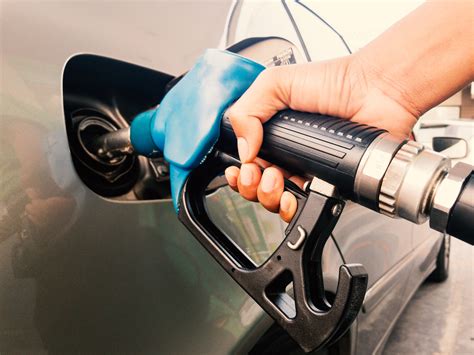
For a vehicle that doesn’t require premium fuel, the choice to use it translates directly into higher operating costs. With premium typically costing 20 to 60 cents more per gallon, these extra costs add up significantly over time. For a 15-gallon tank, that’s an additional $3 to $9 per fill-up. Over a year of weekly fill-ups, you could be spending hundreds of dollars extra with no benefit to your vehicle’s performance or longevity.
Engine Health and Longevity
Using the correct fuel is crucial for engine health. For vehicles requiring premium, using regular can indeed lead to long-term issues due to knocking and the engine’s constant efforts to compensate. However, for vehicles designed for regular fuel, using premium offers no additional protection or longevity benefits. The idea that premium fuel is “kinder” to your engine is a misconception if your car isn’t built to leverage its properties. Stick to what your manufacturer recommends to ensure optimal engine health and performance without overspending.

Conclusion: Follow Your Manual, Save Your Money
Ultimately, the question of whether premium fuel saves money or costs more boils down to one simple directive: check your owner’s manual. If your car requires premium, it’s a necessary investment to protect your engine and ensure peak performance. If it doesn’t, opting for premium is an unnecessary expense that yields no tangible benefits in fuel economy, power, or engine longevity. Save your money and fill up with the recommended grade – your wallet and your engine will thank you.