Understanding Fuel Grades: Regular vs. Premium
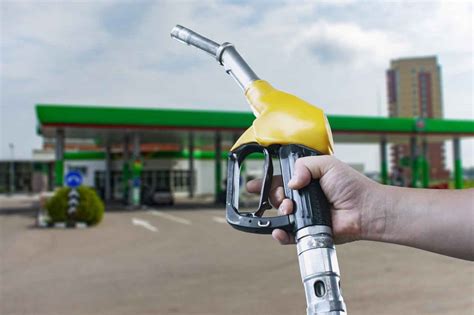
The choice at the gas pump can often feel like a gamble. Many drivers face the decision between regular unleaded and more expensive premium fuel, often with the underlying hope that the pricier option will somehow boost their vehicle’s performance or, more importantly, its fuel economy (MPG). Is this hope well-founded, or are you simply throwing money away?
What is Octane Rating and Why Does It Matter?
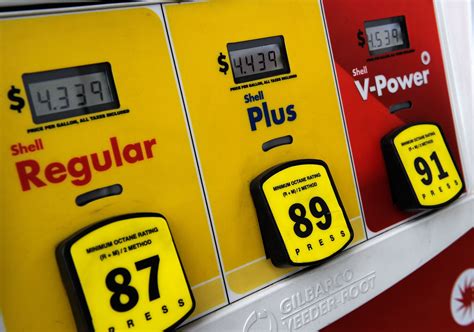
The primary difference between regular and premium fuel isn’t about purity or energy content, but rather its octane rating. Octane is a measure of a fuel’s resistance to “knocking” or “pinging” – a phenomenon where the fuel-air mixture ignites prematurely in the engine’s cylinders, leading to a detrimental explosion rather than a controlled burn. Regular unleaded typically has an 87 octane rating, mid-grade usually 89, and premium generally 91 or 93.
How Your Engine Uses Octane
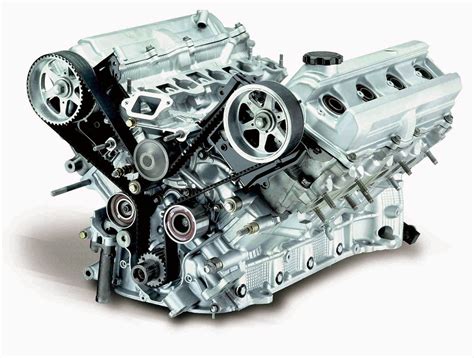
Modern engines are designed with specific compression ratios. High-compression engines, often found in performance or turbocharged vehicles, generate more heat and pressure within the cylinders, making them more susceptible to pre-ignition. These engines require higher-octane fuel to prevent knocking and ensure optimal combustion. Conversely, most standard vehicles are designed with lower compression ratios and are perfectly happy – and efficient – running on 87 octane.
Does Premium Fuel Improve MPG in All Cars?
For the vast majority of cars on the road, the answer is a resounding no. If your car’s owner’s manual specifies regular 87 octane fuel, using premium 91 or 93 octane will provide no measurable benefit to your MPG or overall performance. Your engine’s computer (ECU) is calibrated to the lower octane fuel; it cannot magically extract more power or efficiency from higher-octane fuel it wasn’t designed for.
When Premium Fuel Makes a Real Difference
Premium fuel truly shines for vehicles whose manufacturers explicitly recommend or require it. These are typically high-performance cars, luxury vehicles, or those with forced induction systems (turbochargers or superchargers). In these engines, the higher octane prevents damaging pre-ignition, allowing the engine’s computer to advance timing and optimize power output and, in some cases, ensure designed-for efficiency. Using regular fuel in a car that requires premium can lead to the ECU retarding timing, reducing power, and potentially decreasing fuel efficiency as the engine compensates to prevent knocking.

The Myth of “Cleaning” Properties
Another common misconception is that premium fuel is “cleaner” or contains more detergents that will benefit your engine. In reality, all gasoline sold in the United States must meet certain standards for detergent additives, regardless of octane rating. Major fuel brands often add their own proprietary detergent packages, but these are typically present across all their fuel grades.
Cost-Benefit Analysis: Is It Worth the Extra Money?
Given the negligible or non-existent benefits for most standard vehicles, the higher cost of premium fuel makes it a waste of money. The price difference per gallon adds up significantly over time, and that extra money could be better spent on regular vehicle maintenance or other expenses. For vehicles that require premium, the extra cost is a necessary part of operating that specific vehicle to ensure its longevity and performance.
The Verdict: Check Your Owner’s Manual
The definitive guide to what fuel your car needs is your owner’s manual. If it says “Regular Unleaded,” stick to it. If it says “Premium Recommended” or “Premium Required,” then opt for the higher octane to protect your engine and maximize its intended performance and efficiency. For the average driver with a standard vehicle, investing in premium fuel hoping for better MPG is, unfortunately, a myth and a costly habit.