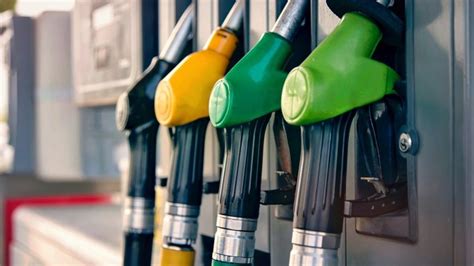
The allure of premium fuel is strong. Many drivers believe that opting for the more expensive, higher-octane gasoline will unlock hidden power, improve fuel economy, or simply make their sedan run smoother. Car manufacturers often highlight performance metrics, leading consumers to wonder if a simple upgrade at the pump could replicate such feats. But for the average sedan on the road today, is there any real benefit to shelling out extra for premium?
Understanding Octane Ratings and Engine Needs
To answer this question, it’s crucial to understand what premium fuel actually is. The key difference lies in its octane rating, which measures a fuel’s resistance to pre-ignition or ‘knocking’ – a damaging phenomenon where the fuel-air mixture ignites prematurely in the engine’s cylinders. Regular unleaded gasoline typically has an octane rating of 87, while mid-grade is usually 89, and premium fuel is 91 or higher.
Engines that require premium fuel are typically designed with higher compression ratios or forced induction (turbochargers or superchargers). These advanced designs generate more heat and pressure within the combustion chamber, making them more susceptible to knocking. Higher octane fuel burns more slowly and resists this premature ignition, protecting the engine and allowing it to perform as intended by the manufacturer.

The Truth for Most Sedans
The vast majority of sedans on the road today, especially non-luxury or non-performance models, are specifically engineered to run efficiently and optimally on regular 87-octane gasoline. Their engines have lower compression ratios and are not designed to benefit from the anti-knock properties of higher-octane fuel.
When you put premium fuel into an engine designed for regular, you’re essentially wasting money. The engine’s computer (ECU) is programmed to adjust ignition timing based on the fuel it expects. If it detects higher octane than necessary, it won’t magically advance the timing to produce more power. In some cases, it might even slightly retard timing if it misinterprets the fuel, potentially leading to a marginal decrease in efficiency, though this is rare in modern vehicles.

When Premium Fuel *Does* Matter
There are specific instances where premium fuel is not just beneficial, but necessary. If your sedan’s owner’s manual explicitly states that premium fuel is ‘required’ or ‘recommended’ (especially for ‘required’), then you should absolutely use it. Ignoring this recommendation can lead to engine knocking, reduced performance, decreased fuel economy, and potential long-term engine damage.
Vehicles that typically require or recommend premium include high-performance sedans, luxury cars, and many models equipped with turbochargers or superchargers. These engines are calibrated to take advantage of the higher octane for optimal power output and longevity. Using regular fuel in these cars would force the engine’s computer to pull back ignition timing significantly to prevent knocking, resulting in a noticeable drop in horsepower and torque, and potentially worse fuel economy than if premium were used.

Performance vs. Your Wallet
Beyond the technical aspects, there’s the economic consideration. Premium fuel can cost anywhere from 10 to 50 cents more per gallon than regular unleaded. If your car doesn’t need it, that extra cost adds up significantly over time with no tangible benefit in performance or engine health.
In fact, some studies and consumer reports have shown that for vehicles designed for regular fuel, using premium can sometimes even lead to slightly worse fuel economy, as the engine’s ECU might not be perfectly optimized for the different burn rate, though this effect is often negligible.

Conclusion: Fueling Smart
For the vast majority of sedans, using premium fuel offers no true performance boost, fuel economy improvement, or added engine protection. It’s a common misconception that can lead to unnecessary spending.
The best advice is always to consult your vehicle’s owner’s manual. If it says ‘regular unleaded,’ stick with 87 octane. If it says ‘premium required’ or ‘premium recommended,’ then spend the extra money to ensure your engine runs as intended. Fueling smart means understanding your car’s specific needs, not falling for marketing myths or perceived performance gains.