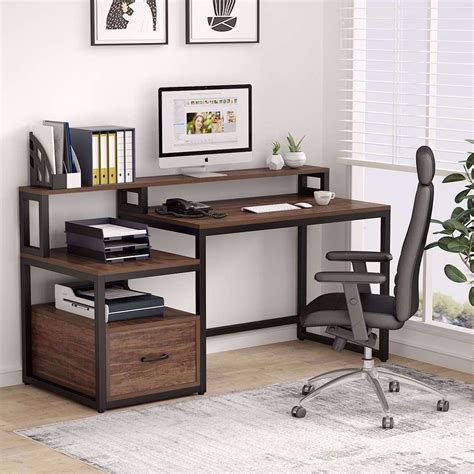
The Silent Culprit: Poor Desk Posture and Men’s Back Pain
For many men, long hours spent at a desk are an inescapable reality of modern work life. While productivity is often the focus, the insidious effects of poor desk posture can lead to chronic back pain, neck stiffness, and a host of other musculoskeletal issues. Understanding and correcting your desk posture isn’t just about comfort; it’s a vital step towards long-term health and preventing debilitating pain that can impact every aspect of your life.

Understanding the Ideal Sitting Posture
Achieving good posture isn’t about rigid, unnatural positions; it’s about maintaining the spine’s natural curves. Here’s a breakdown of the key elements for men:
- Feet Flat on the Floor: Ensure your feet are flat on the floor or a footrest, with your knees at roughly a 90-degree angle, directly above your ankles.
- Hips at 90-100 Degrees: Your hips should be slightly higher than your knees if possible, creating an open hip angle that encourages proper pelvic tilt.
- Lower Back Support: Use a chair with good lumbar support, or add a lumbar cushion, to maintain the natural inward curve of your lower back. Avoid slumping or arching excessively.
- Shoulders Relaxed: Keep your shoulders relaxed and down, not hunched up towards your ears. Your elbows should be close to your body, forming an L-shape at around 90-100 degrees.
- Head and Neck Alignment: Your head should be balanced directly over your shoulders, not jutting forward. The top of your monitor should be at or slightly below eye level, and arms-length away, allowing you to look straight ahead without straining your neck.
Ergonomic Workstation Setup Essentials
Beyond how you sit, your workstation setup plays a crucial role in supporting good posture:
- Chair Choice: Invest in an ergonomic office chair that offers adjustable height, lumbar support, armrests, and recline functions. Make sure it fits your body type.
- Desk Height: If you have a fixed-height desk, ensure it allows for proper elbow positioning. If it’s too high, use a footrest. Consider a standing desk to alternate between sitting and standing throughout the day.
- Keyboard and Mouse: Position your keyboard directly in front of you, close enough that your elbows remain at a comfortable angle. Use an ergonomic keyboard and mouse to minimize wrist strain.
- Monitor Placement: As mentioned, the top of your screen should be at eye level. If you use multiple monitors, arrange them to minimize head and neck turning.
- Lighting: Ensure adequate lighting to prevent eye strain, which can lead to leaning forward and poor neck posture.
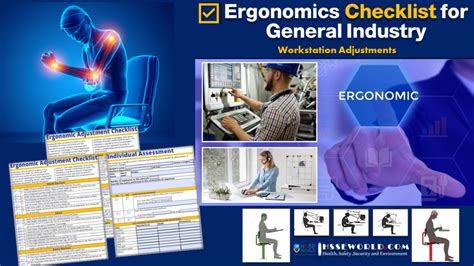
Breaking the Sedentary Cycle: Movement and Micro-Breaks
Even with the most perfect ergonomic setup, prolonged static posture is detrimental. Incorporate regular movement into your workday:
- Stand Up and Stretch: Aim to stand up and move around every 30-60 minutes. A quick walk to get water or a short stretching routine can do wonders.
- Desk Stretches: Perform simple stretches at your desk, such as neck rolls, shoulder shrugs, chest openers, and gentle spinal twists.
- Eye Breaks: Follow the 20-20-20 rule: every 20 minutes, look at something 20 feet away for at least 20 seconds to reduce eye strain.

Practical Tips for Immediate Correction
- The ‘Sit Tall’ Check: Periodically remind yourself to sit tall. Imagine a string pulling you gently from the top of your head towards the ceiling.
- Pelvic Tilt: If you find yourself slouching, try a gentle pelvic tilt. Rock your hips forward slightly to find a neutral spine position.
- Mindful Breathing: Deep breathing can help relax shoulder and neck muscles, reducing tension that contributes to poor posture.

Conclusion: Your Back Deserves Attention
Preventing back pain isn’t a one-time fix; it’s an ongoing commitment to mindful posture and ergonomic practices. By understanding the principles of good sitting, optimizing your workstation, and integrating regular movement, men can significantly reduce their risk of back pain and enjoy a healthier, more comfortable work life. Prioritize your spinal health today to prevent future discomfort.