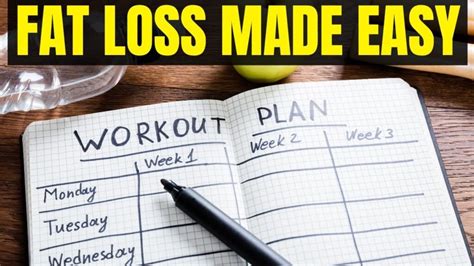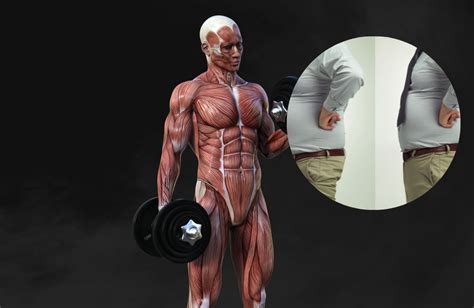
For many men, the accumulation of stubborn belly fat — often referred to as a “spare tire” or “beer belly” — is a common concern. Beyond aesthetics, excess abdominal fat, particularly visceral fat that surrounds organs, poses significant health risks including heart disease, type 2 diabetes, and certain cancers. The good news is that with the right combination of targeted diet and effective workout strategies, a leaner, healthier physique is entirely achievable.
Understanding Male Belly Fat
Belly fat in men often accumulates differently than in women, typically around the midsection. This isn’t just subcutaneous fat (the jiggly kind you can pinch) but also visceral fat, which is metabolically active and produces inflammatory substances. Understanding the types of fat and their risks is the first step towards a successful reduction strategy.
The Dietary Strategy: Fueling a Lean Physique
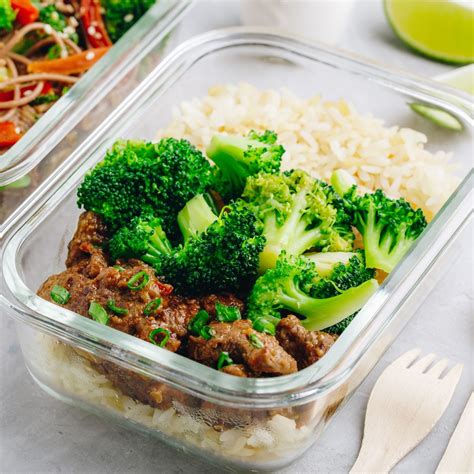
Achieving a leaner midsection starts in the kitchen. Diet plays a pivotal role, accounting for a significant portion of your success. Focus on nutrient-dense foods that support metabolism and satiety while creating a sustainable calorie deficit.
Prioritize Protein
Protein is crucial for muscle building and repair, and it’s also highly satiating, helping to reduce overall calorie intake. Aim for lean protein sources like chicken breast, turkey, fish, eggs, legumes, and Greek yogurt with every meal.
Smart Carb Choices
Not all carbohydrates are created equal. Opt for complex carbohydrates such as whole grains (oats, brown rice, quinoa), fruits, and vegetables. These provide sustained energy, fiber, and essential nutrients, unlike refined carbs which contribute to blood sugar spikes and fat storage.
Healthy Fats Are Your Friends
Don’t fear fat; embrace healthy fats found in avocados, nuts, seeds, olive oil, and fatty fish. These are essential for hormone production, nutrient absorption, and satiety, helping to keep cravings at bay.
Hydration and Fiber
Drink plenty of water throughout the day to support metabolism and general health. Foods rich in fiber, like vegetables, fruits, and whole grains, aid digestion, promote fullness, and can help regulate blood sugar levels.
Calorie Deficit is Key
Ultimately, to lose fat, you must consume fewer calories than you burn. Track your intake initially to understand your habits, then aim for a moderate deficit (e.g., 300-500 calories below maintenance) for sustainable weight loss without feeling deprived.
The Workout Blueprint: Sculpting Your Core & Beyond
While diet creates the deficit, exercise helps burn calories, build muscle, and improve body composition. A well-rounded workout plan should incorporate a mix of strength training, cardio, and targeted core work.
High-Intensity Interval Training (HIIT)
HIIT involves short bursts of intense exercise followed by brief recovery periods. This method is highly effective for burning calories during and after the workout (EPOC effect), making it excellent for fat loss. Incorporate 2-3 HIIT sessions per week, such as sprints, burpees, or cycling intervals.
Strength Training is Non-Negotiable
Building muscle mass is vital because muscle burns more calories at rest than fat. A full-body strength training routine, focusing on compound movements like squats, deadlifts, presses, and rows, will boost your metabolism and reshape your physique. Aim for 3-4 sessions per week.
Core-Specific Exercises
While spot reduction of belly fat isn’t possible, strengthening your core muscles will improve posture, stability, and give your midsection a more toned appearance once fat is lost. Include exercises like planks, leg raises, Russian twists, and bicycle crunches as part of your routine.
Cardio for Overall Fat Loss
Moderate-intensity cardiovascular exercise (jogging, swimming, cycling) for 30-60 minutes, 3-4 times a week, contributes to your overall calorie burn and cardiovascular health. It complements HIIT and strength training by aiding in the sustained calorie deficit needed for fat loss.

Lifestyle Factors for Lasting Success
Beyond diet and exercise, several lifestyle elements significantly impact your ability to lose and keep off belly fat.
Sleep Matters
Lack of sleep can disrupt hormones that regulate appetite (ghrelin and leptin) and increase cortisol levels, leading to increased fat storage, especially around the belly. Aim for 7-9 hours of quality sleep per night.
Stress Management
Chronic stress elevates cortisol, which can promote abdominal fat accumulation. Incorporate stress-reducing activities like meditation, yoga, spending time in nature, or hobbies you enjoy into your daily routine.
Consistency and Patience
Losing belly fat takes time and consistent effort. There are no quick fixes. Be patient with your progress, celebrate small victories, and stay committed to your healthy habits for long-term success.
Conclusion
Combatting male belly fat requires a holistic approach that integrates mindful eating, effective exercise, and healthy lifestyle choices. By prioritizing lean protein, smart carbohydrates, healthy fats, consistent strength training, HIIT, and adequate sleep and stress management, men can significantly reduce abdominal fat, improve their overall health, and achieve the leaner, more confident physique they desire. Start today by making small, sustainable changes that will lead to big results.