The Busy Man’s Fitness Conundrum
In today’s fast-paced world, many men juggle demanding careers, family responsibilities, and social commitments, leaving precious little time for personal fitness. The common belief is that you need hours in the gym to build an impressive physique or shed stubborn fat. This couldn’t be further from the truth. With the right strategies, busy men can indeed achieve significant muscle gain and fat loss through efficient, targeted workouts.

Prioritizing Efficiency: Compound Movements & HIIT
The cornerstone of any efficient workout plan for busy men is the intelligent selection of exercises. Forget isolation machines that target single muscles; your time is better spent on compound movements. These exercises engage multiple muscle groups and joints simultaneously, delivering maximum bang for your buck.
- Squats: Works quads, glutes, hamstrings, and core.
- Deadlifts: Full-body powerhouse, hitting back, glutes, hamstrings, and traps.
- Bench Press (or Push-ups): Targets chest, shoulders, and triceps.
- Overhead Press: Strengthens shoulders, triceps, and upper back.
- Rows (Barbell or Dumbbell): Builds back thickness and bicep strength.
Incorporating High-Intensity Interval Training (HIIT) can also be a game-changer for fat loss. Short bursts of intense cardio followed by brief recovery periods can elevate your metabolism and burn more calories in less time than traditional steady-state cardio.
Optimizing Your Workout Schedule
You don’t need to live in the gym. For most busy men, 3-4 structured workout sessions per week, lasting 45-60 minutes each, are more than enough to see substantial results.
Full-Body Workouts: Your Best Friend
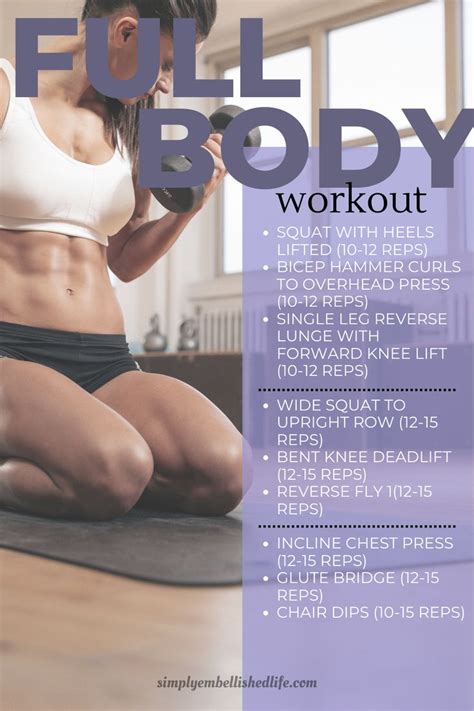
Instead of traditional body part splits, embrace full-body workouts. These allow you to hit each major muscle group more frequently throughout the week, stimulating muscle protein synthesis more often. A typical full-body session might look like this:
- Compound Lower Body (e.g., Squats, Deadlifts)
- Compound Upper Body Push (e.g., Bench Press, Overhead Press)
- Compound Upper Body Pull (e.g., Rows, Pull-ups)
- Accessory/Core Exercise (e.g., Planks, Lunges)
Focus on progressive overload – consistently striving to lift slightly heavier, perform more reps, or improve your form over time. This is the fundamental driver of muscle growth.
Nutrition: Fueling Muscle & Stripping Fat
Even the most efficient workouts will yield limited results without proper nutrition. This is especially true when aiming for both muscle gain and fat loss simultaneously (often called “body recomposition”).
- Protein Power: Consume adequate protein (around 0.8-1 gram per pound of body weight) to support muscle repair and growth, and to help keep you feeling full.
- Calorie Management: To lose fat, you need to be in a slight calorie deficit. To build muscle, you generally need a slight surplus. For body recomposition, aim for a small deficit or maintenance calories, combined with high protein, to allow your body to reallocate resources.
- Whole Foods Focus: Prioritize lean proteins, complex carbohydrates, healthy fats, and plenty of fruits and vegetables. Minimize processed foods, sugary drinks, and excessive saturated fats.
- Hydration: Drink plenty of water throughout the day for optimal metabolic function and performance.

The Underrated Pillars: Recovery & Consistency
Many busy men overlook the critical role of recovery. Your muscles don’t grow in the gym; they grow when you rest and repair. And consistency, even more than intensity in a single session, will dictate your long-term success.
- Sleep: Aim for 7-9 hours of quality sleep per night. This is when your body releases growth hormone and recovers most effectively. Poor sleep sabotages both fat loss and muscle gain.
- Stress Management: Chronic stress elevates cortisol, which can hinder fat loss and muscle growth. Incorporate stress-reducing activities like meditation, reading, or spending time in nature.
- Consistency: Don’t strive for perfection; strive for consistency. Missing a workout occasionally is fine, but sticking to your plan 80-90% of the time will get you where you want to be. Even a short 20-minute workout is better than no workout.

Putting It All Together: A Sample Weekly Schedule
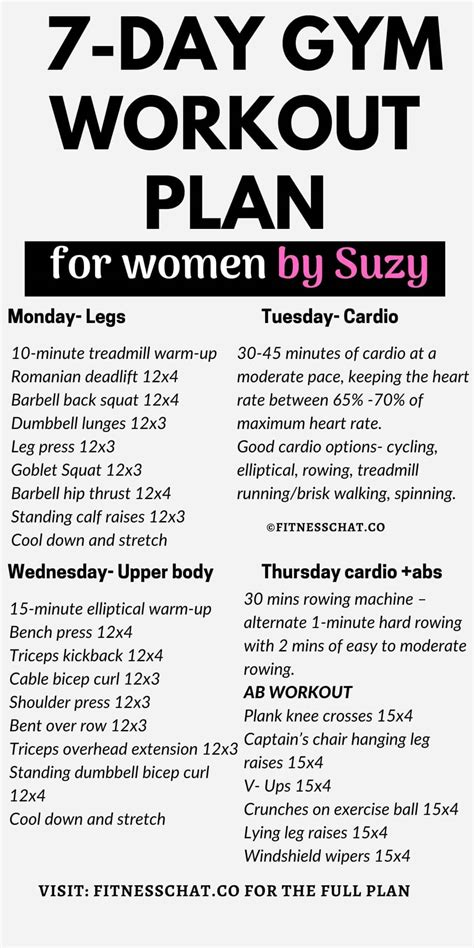
Here’s an example of how a busy man could structure his week:
- Monday: Full-Body Strength Workout (45-60 min)
- Tuesday: Active Recovery (light walk) or Rest
- Wednesday: Full-Body Strength Workout (45-60 min)
- Thursday: HIIT or Active Recovery (20-30 min)
- Friday: Full-Body Strength Workout (45-60 min)
- Saturday/Sunday: Active Recovery (sports, long walk with family) or Rest
Remember to warm up properly before each session and cool down with some stretching.

Conclusion: Time is No Longer an Excuse
Building muscle and losing fat as a busy man isn’t about having endless hours; it’s about smart planning, maximum efficiency, and unwavering consistency. By focusing on compound movements, optimizing your nutrition, prioritizing recovery, and committing to a sustainable schedule, you can transform your physique and enhance your overall well-being, proving that even with a packed schedule, your fitness goals are entirely within reach.