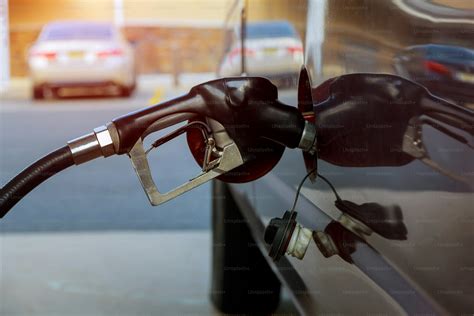
Fuel costs are a constant concern for drivers worldwide. Improving your vehicle’s fuel economy not only saves you money but also reduces your environmental footprint. Small changes in driving habits and vehicle maintenance can lead to significant savings over time, making every gallon go further.
Optimize Your Driving Habits
The way you drive has a profound impact on how much fuel your car consumes. Adopting smoother, more mindful driving techniques can significantly boost your miles per gallon (MPG).
- Smooth Acceleration and Braking: Aggressive driving, characterized by rapid acceleration and hard braking, is a major fuel guzzler. Accelerate gently, anticipate stops well in advance, and coast to a halt whenever safe. This smooth approach reduces stress on your engine and transmission, and conserves fuel.
- Maintain a Steady Speed: On highways, using cruise control helps maintain a consistent speed, preventing unnecessary acceleration and deceleration that wastes fuel. Avoid excessive speeds, as fuel efficiency drops significantly above 50-60 mph due to increased aerodynamic drag.
- Avoid Excessive Idling: If you anticipate being stopped for more than 30 seconds (outside of traffic, where safety is paramount), it’s often more fuel-efficient to turn off your engine and restart it. Modern cars are designed to handle this without issue.

Prioritize Vehicle Maintenance
A well-maintained vehicle is an efficient vehicle. Regular checks and servicing can prevent your car from working harder than it needs to, directly improving fuel economy.
- Check Tire Pressure Regularly: Under-inflated tires increase rolling resistance, forcing your engine to work harder and consume more fuel. Check your tire pressure at least once a month and before long trips, always adhering to the manufacturer’s recommended PSI found in your owner’s manual or on a sticker inside the driver’s door jamb.
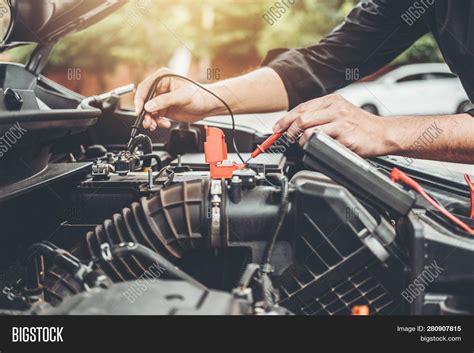
- Keep Your Engine Tuned Up: Follow your car’s service schedule for oil changes, spark plug replacements, and air filter checks. A clean air filter ensures proper airflow to the engine, which is crucial for efficient combustion. Dirty spark plugs can lead to misfires and reduced efficiency.
- Use the Right Motor Oil: Always use the motor oil grade recommended by your vehicle manufacturer. The correct oil minimizes engine friction, contributing to smoother operation and better fuel efficiency.
Adopt Smart Driving & Planning Strategies
Beyond how you drive, where and when you drive can also impact your fuel consumption.
- Plan Your Routes: Combine multiple errands into one trip to reduce cold starts and overall mileage. A cold engine uses more fuel. Utilize navigation apps to find the most efficient routes, avoiding heavy traffic areas and unnecessary detours.
- Lighten Your Load: Remove unnecessary heavy items from your trunk and backseat. Extra weight forces your engine to work harder, consuming more fuel. Every 100 pounds can reduce fuel economy by about 1-2%.
- Improve Aerodynamics: Roof racks, cargo carriers, and even open windows at highway speeds create significant aerodynamic drag, increasing fuel consumption. Remove external accessories when not in use and keep windows closed on highways to reduce resistance.

Implementing these practical tips doesn’t require drastic lifestyle changes but can lead to noticeable savings at the pump. By adopting smarter driving habits and ensuring your vehicle is well-maintained, you’ll not only save money but also contribute to a greener environment.