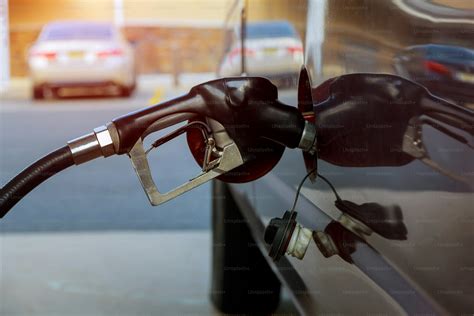
Many drivers obsess over octane numbers at the pump, believing that higher is always better for their engine. However, focusing solely on octane often overlooks the critical factors that genuinely contribute to engine longevity and fuel efficiency. It’s time to look beyond the numbers and understand what fuel choices truly safeguard your engine and your finances.
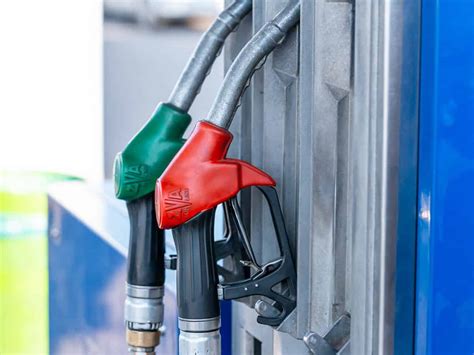
The Octane Myth Debunked
Octane is simply a measure of a fuel’s resistance to pre-ignition or “knocking.” Engines designed for regular unleaded (typically 87 octane) will run perfectly on it. Using higher octane fuel in an engine not designed for it offers no performance benefits, no extra power, and certainly no enhanced protection. In fact, it’s merely an unnecessary expense.
Higher octane is only necessary for engines specifically designed or “tuned” for premium fuel, often those with higher compression ratios or forced induction. For these engines, premium fuel prevents harmful pre-ignition that could damage components. For everyone else, sticking to the manufacturer’s recommended octane is the smart choice.
The Real Engine Protectors: Detergents and Additives
This is where the true engine protection lies. “Top Tier” gasoline isn’t about octane; it’s a performance standard for detergency. Top Tier fuels contain higher levels of detergent additives designed to clean and prevent harmful carbon deposits from forming on fuel injectors and intake valves.
Why do detergents matter? Over time, deposits can accumulate, leading to reduced fuel economy, increased emissions, poor performance, and even costly repairs. Top Tier fuels actively combat this buildup, ensuring your engine runs efficiently and lasts longer. Choosing a Top Tier brand (listed by organizations like AAA or specific automotive manufacturers) is one of the easiest and most effective ways to protect your engine from fuel-related issues.
While Top Tier fuels are excellent, quality aftermarket fuel system cleaners can also be used periodically. If you can’t always access Top Tier stations, a reputable additive can help maintain your fuel system’s cleanliness. Always follow the product’s instructions carefully.
Beyond the Pump: Fuel Quality and Storage
- Fresh Fuel is Best: Fuel, especially with ethanol, can degrade over time. Try to avoid leaving fuel in your tank for extended periods, particularly in small engines or seasonal vehicles, as stale fuel can cause starting and running issues.
- Avoid Contamination: Always ensure the fuel station you use appears well-maintained. Contaminated fuel (with water or debris) can wreak havoc on your fuel system and engine components.
- Regular Maintenance: No fuel, however premium or well-formulated, can replace the importance of regular vehicle maintenance. Adhering to your manufacturer’s schedule for oil changes, air filter replacements, and spark plug checks is foundational to engine longevity.

Protecting Your Wallet: Efficiency and Longevity
The right fuel choices don’t just protect your engine; they protect your wallet too:
- Better MPG: Clean injectors and a healthy fuel system ensure optimal fuel combustion, translating directly into better fuel economy and more miles per gallon. This saves you money on every fill-up.
- Reduced Repairs: Preventing deposit buildup avoids common and often expensive issues like clogged injectors, faulty oxygen sensors, catalytic converter damage, and premature wear on engine components.
- Extended Engine Life: A well-maintained engine that runs efficiently with clean fuel will simply last longer, delaying the need for costly major repairs or even vehicle replacement.

The Smart Fueling Strategy
In conclusion, don’t be swayed by the octane myth. True engine protection and significant wallet savings stem from understanding the real science of fuel. Prioritize Top Tier fuels for their detergent benefits, consider quality additives when needed, and always practice good overall vehicle maintenance. By making informed choices at the pump, your engine will reward you with reliable performance, a longer lifespan, and more money in your pocket.