Diversifying Beyond the 401K Foundation
While a 401K is an indispensable cornerstone of retirement planning, a truly robust personal wealth strategy for men extends far beyond employer-sponsored plans. Building substantial wealth requires a diversified approach, strategic asset allocation, and a keen understanding of various investment vehicles that can work in concert to achieve financial independence and long-term growth.
For many men, the drive to provide, secure the future, and achieve financial milestones necessitates looking at the broader investment landscape. This means exploring avenues that offer flexibility, tax advantages, and opportunities for accelerated growth that a 401K alone might not provide.

Maximizing Traditional & Often Overlooked Accounts
Brokerage Accounts: Your Investment Playground
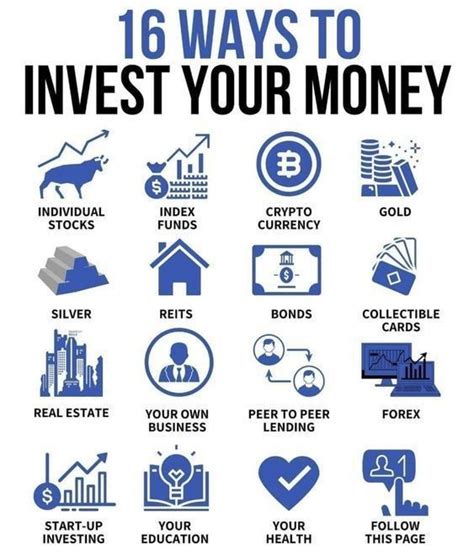
Once your 401K contributions are maximized (or at least consistently strong), opening a taxable brokerage account is the next logical step. Here, the options are vast:
- Stocks: Invest directly in individual companies you believe in, offering potential for significant capital appreciation.
- Exchange-Traded Funds (ETFs): Gain diversified exposure to entire markets, industries, or asset classes with low expense ratios. ETFs are excellent for broad market exposure and can be traded like stocks.
- Mutual Funds: Similar to ETFs in offering diversification, but often actively managed and traded only once per day.
The key with a brokerage account is diversification across different sectors and geographies to mitigate risk and capture broader market gains. It offers liquidity and flexibility that retirement accounts often lack, making it suitable for mid-term financial goals.
Health Savings Accounts (HSAs): The Triple-Threat Investment
Often overlooked, an HSA is arguably one of the most powerful investment vehicles available, especially for healthy individuals with high-deductible health plans. It offers a “triple tax advantage”:
- Tax-deductible contributions.
- Tax-free growth on investments.
- Tax-free withdrawals for qualified medical expenses at any age.
If you don’t use the funds for medical expenses, after age 65, an HSA essentially functions like a traditional IRA, allowing withdrawals for any purpose, subject to income tax. This makes it an incredibly flexible long-term investment tool.

Venturing into Real Estate for Tangible Assets
Real estate has historically been a robust avenue for wealth creation, offering both income and appreciation potential. It provides a tangible asset that can act as a hedge against inflation.
Direct Property Ownership: Rental & Flips
Investing in rental properties (residential or commercial) can generate passive income and significant appreciation over time. While it requires more capital and management, the returns can be substantial. House flipping, though higher risk, can also provide quick capital gains.
Real Estate Investment Trusts (REITs)
For those who want real estate exposure without the landlord headaches, REITs are an excellent option. These companies own, operate, or finance income-producing real estate across various property sectors. They trade on major stock exchanges, offering liquidity and diversification. Many REITs pay strong dividends, making them attractive for income generation.
Real Estate Crowdfunding
Platforms like Fundrise or CrowdStreet allow you to invest in private real estate projects with smaller amounts of capital than traditional ownership. This offers diversification and access to opportunities previously reserved for institutional investors, often with varying levels of liquidity.

Exploring Alternative Investments & Entrepreneurship
For investors with higher risk tolerance and a longer time horizon, alternative investments can offer significant upside and further diversification from traditional markets.
Private Equity & Venture Capital
Investing in private companies, either directly or through funds, can yield high returns if the companies succeed. This is typically reserved for accredited investors due to the illiquidity and high-risk nature. However, it offers exposure to early-stage growth not found in public markets.
Commodities & Precious Metals
Assets like gold, silver, oil, or agricultural products can act as a hedge against inflation and market volatility. While not always directly growth-oriented, they can preserve purchasing power during economic uncertainty. They are often best held as a smaller portion of a diversified portfolio.
Cryptocurrency
Bitcoin, Ethereum, and other cryptocurrencies represent a new, highly volatile, yet potentially revolutionary asset class. While incredibly risky and subject to dramatic price swings, a small, speculative portion of a portfolio might be allocated here for those comfortable with the high risk/reward profile.
Investing in Yourself & Entrepreneurial Pursuits
Perhaps the most overlooked investment is in oneself. Enhancing your skills, education, or professional network can directly lead to increased income and career advancement, which in turn fuels your investment capacity.
Furthermore, starting a side hustle or small business can be an incredibly effective way to generate additional income and build equity in an asset you control. The initial investment in time and capital can compound rapidly if the venture is successful, often outperforming traditional market returns.

The Cornerstone: Financial Planning & Debt Management
No investment strategy is complete without a solid financial plan and disciplined debt management. Create a comprehensive budget, set clear financial goals (short, medium, and long-term), and regularly review your progress.
Aggressively paying down high-interest debt (credit cards, personal loans) should often take precedence before significant investments. The guaranteed “return” of avoiding high interest rates is often better than speculative market returns. Once high-interest debt is gone, continue to minimize consumer debt and live within your means, freeing up more capital for wealth-building investments.
Conclusion: A Proactive & Diversified Path to Wealth
Moving beyond just a 401K is not merely an option but a necessity for men aiming to achieve significant personal wealth. By thoughtfully diversifying across brokerage accounts, real estate, select alternative assets, and crucially, by investing in personal and entrepreneurial growth, you create multiple streams for your wealth to grow. Combine this with diligent financial planning and smart debt management, and you lay a robust foundation for enduring financial prosperity.