Conquering High Fuel Costs: Smart Strategies for Budget-Minded Men
In an era of fluctuating fuel prices, every drop of gasoline counts, especially when you’re managing a budget. For men looking to stretch their dollar further without sacrificing their daily commute or weekend adventures, maximizing car fuel economy isn’t just a smart move – it’s a necessity. The good news is that many of the most effective strategies are either free or incredibly low-cost, focusing more on habit and simple maintenance than expensive upgrades. Let’s dive into practical ways to keep your tank full and your wallet happy.
Master Your Driving Habits
Your driving style has the single biggest impact on your vehicle’s fuel consumption. Aggressive driving, with rapid acceleration and hard braking, can drastically reduce your miles per gallon. By adopting a smoother, more deliberate approach, you can see significant savings.
- Smooth Acceleration and Braking: Imagine there’s an egg under your accelerator pedal. Accelerate gently and steadily, allowing your car to build speed gradually. Similarly, anticipate stops and allow your car to coast to a halt rather than slamming on the brakes.
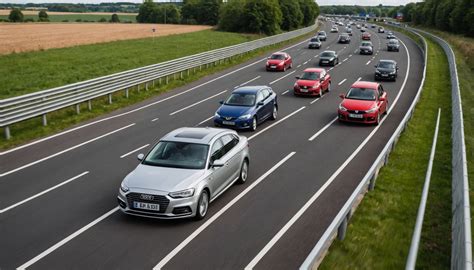
- Maintain a Steady Speed: Erratic speeds waste fuel. On highways, use cruise control to maintain a consistent speed, ideally around 55-60 mph, as fuel efficiency often drops off significantly above this range.
- Avoid Excessive Idling: If you’re going to be stopped for more than 30 seconds, it’s often more fuel-efficient to turn off your engine and restart it when ready to go. Modern cars are designed to handle this.
- Anticipate Traffic: Look several cars ahead to foresee slowdowns or red lights. This allows you to ease off the gas sooner, conserving momentum and reducing the need for braking.
The Power of Simple Maintenance
You don’t need to be a seasoned mechanic to perform basic checks that contribute significantly to fuel economy. These simple tasks can make a big difference and usually cost little to nothing.
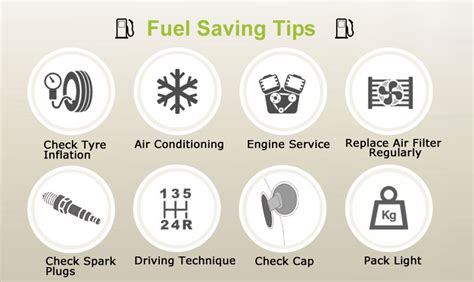
- Check Tire Pressure Regularly: Under-inflated tires increase rolling resistance, forcing your engine to work harder and consume more fuel. Check your tire pressure at least once a month (when tires are cold) and inflate them to the manufacturer’s recommended PSI, usually found on a sticker inside your driver’s side door jamb or in your owner’s manual.
- Replace Air Filters: A clogged air filter restricts airflow to the engine, making it less efficient. Replacing a dirty air filter with a clean one is a simple, inexpensive task that can improve mileage and engine performance.
- Keep Up with Oil Changes: Fresh, clean oil lubricates your engine more effectively, reducing friction and allowing components to move freely. Follow your car’s recommended oil change schedule.
Lighten Your Load and Improve Aerodynamics
What you carry and how your car slices through the air can impact fuel efficiency more than you think.
- Remove Unnecessary Weight: Every extra pound makes your engine work harder. Clear out any non-essential items from your trunk or back seat. That toolbox you keep just in case? If you don’t need it daily, leave it at home.
- Remove Roof Racks When Not in Use: Roof racks, cargo boxes, and bike carriers create aerodynamic drag, significantly reducing fuel economy even when empty. Remove them when you’re not actively using them.
Smart Trip Planning
A little foresight before you hit the road can save you a lot at the pump.
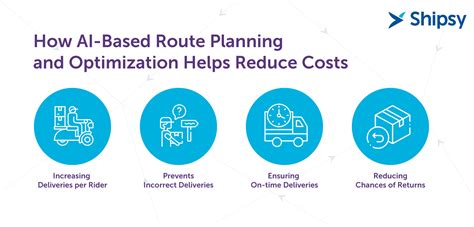
- Combine Errands: Plan your routes to group multiple errands into one trip. A cold engine uses more fuel in the first few miles, so making fewer, longer trips is better than many short ones.
- Avoid Peak Traffic: Getting stuck in stop-and-go traffic burns more fuel than driving at a steady pace. Use navigation apps to find routes that avoid congestion during rush hour.
Fuel Type & Octane: Dispelling Myths
Unless your car manufacturer specifically recommends premium fuel, using it will not improve your fuel economy or performance. Most standard vehicles are designed to run perfectly on regular unleaded gasoline (87 octane). Paying more for higher octane is simply wasting money.
Conclusion: Consistency is Key
Maximizing your car’s fuel economy on a budget isn’t about one magic trick; it’s about consistently applying a series of smart habits and simple maintenance checks. By focusing on smooth driving, keeping your tires properly inflated, lightening your load, and planning your trips efficiently, you can significantly reduce your fuel consumption and keep more money in your pocket. These small, consistent efforts add up to substantial savings over time, proving that being budget-conscious behind the wheel is a win-win for both your finances and your car’s longevity.