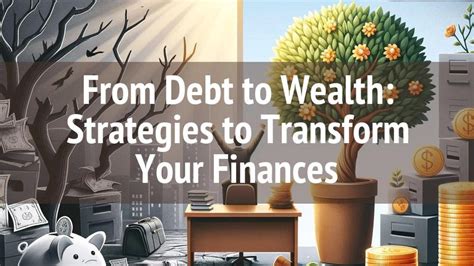
Conquering High-Interest Debt: A Dual Path to Financial Freedom
High-interest debt, often lurking in the form of credit card balances, personal loans, or predatory lines of credit, can feel like a relentless uphill battle, eroding your financial progress and psychological well-being. It’s a significant barrier to achieving financial freedom and, more importantly, to building substantial wealth. The good news is that with a clear strategy and disciplined execution, you can not only eliminate this burden but also pivot effectively towards a future of financial abundance. This article outlines the best strategy to tackle high-interest debt head-on and lay a robust foundation for wealth creation.
Understanding the Enemy: The True Cost of High-Interest Debt
Before devising a plan, it’s crucial to understand why high-interest debt is so detrimental. Interest rates, especially those in the double digits, mean that a significant portion of your payments goes straight to interest rather than reducing the principal. This perpetuates the debt cycle, making it incredibly difficult to get ahead. Recognizing this allows you to prioritize its elimination above almost all other financial goals, often even above some forms of saving or investing, especially when interest rates on debt exceed potential investment returns.
Phase 1: Aggressive Debt Elimination – Avalanche vs. Snowball
The core of eliminating high-interest debt lies in choosing an effective repayment strategy. The two most popular and widely recommended methods are the Debt Avalanche and the Debt Snowball.
The Debt Avalanche Method
This strategy involves listing all your debts from the highest interest rate to the lowest. You make minimum payments on all debts except the one with the highest interest rate, on which you pay as much as possible. Once that debt is paid off, you roll its payment amount into the next highest interest rate debt, and so on. Mathematically, the avalanche method saves you the most money on interest and helps you get out of debt faster.
The Debt Snowball Method
Conversely, the snowball method focuses on psychological wins. You list your debts from the smallest balance to the largest, regardless of the interest rate. You pay the minimum on all but the smallest debt, funneling all extra cash into paying that one off first. Once the smallest debt is gone, you take the money you were paying on it and add it to the minimum payment of the next smallest debt, continuing this momentum. While it may cost slightly more in interest, the frequent small victories can keep you motivated.
For high-interest debt, the Debt Avalanche is generally superior as it minimizes the total interest paid, thus freeing up more capital for wealth building sooner. However, if motivation is a significant hurdle, the Snowball can be a valid starting point.
Phase 2: Accelerating Your Debt-Free Journey
Regardless of the method chosen, certain actions can significantly speed up your progress:
- Create a Strict Budget: Understand where every dollar goes. Identify and cut unnecessary expenses ruthlessly. Every penny saved is a penny that can go towards debt.
- Increase Income: Explore side hustles, ask for a raise, or sell unused items. Additional income directly translates to faster debt repayment.
- Consider Debt Consolidation/Refinancing: If eligible, consolidating multiple high-interest debts into a single loan with a lower interest rate (e.g., a personal loan, balance transfer credit card with a 0% introductory APR, or a HELOC) can reduce your monthly payments and overall interest. Be cautious, as balance transfer cards often have fees and a higher rate after the intro period.

Phase 3: The Seamless Transition to Wealth Building
Once your high-interest debt is eliminated, the focus shifts entirely to building wealth. This transition should not be seen as an abrupt stop and start, but rather a redirection of the discipline cultivated during debt repayment.
1. Establish an Emergency Fund
Before investing heavily, ensure you have a robust emergency fund. Aim for 3-6 months’ worth of essential living expenses saved in an easily accessible, high-yield savings account. This acts as a crucial safety net, preventing future debt accumulation when unexpected life events occur.
2. Maximize Retirement Accounts
Start contributing to employer-sponsored retirement plans (like 401(k)s) at least up to the company match – this is essentially free money. Then, consider maximizing contributions to IRAs (Roth or Traditional) and then increasing 401(k) contributions further. Leverage tax advantages to grow your wealth efficiently.
3. Invest Systematically
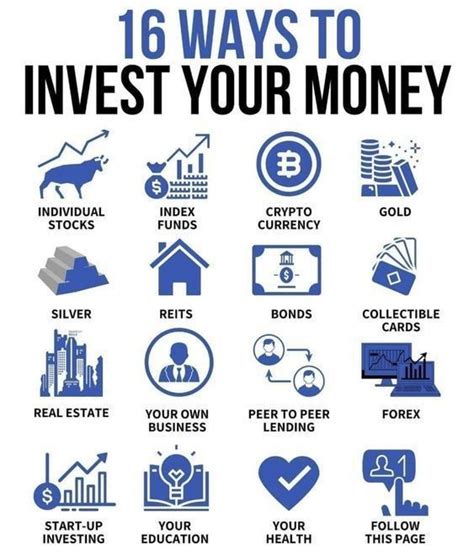
Beyond retirement accounts, consider opening a brokerage account for diversified investments. Focus on low-cost index funds or ETFs that track broad market indices. Consistency is key; set up automated contributions, even if they are small initially. The power of compounding interest is your greatest ally here, allowing your money to grow exponentially over time.

Phase 4: Sustaining Wealth Growth and Financial Freedom
Building wealth is a lifelong journey, not a destination. To sustain and grow your financial freedom:
- Continuous Financial Education: Stay informed about personal finance, investing, and economic trends.
- Diversify Investments: As your portfolio grows, ensure it’s well-diversified across different asset classes, industries, and geographies to mitigate risk.
- Automate Savings and Investments: Make wealth building automatic. Set up recurring transfers to your savings and investment accounts so you pay yourself first.
- Avoid Lifestyle Creep: As your income increases, resist the urge to proportionately increase your spending. Maintain a prudent lifestyle and funnel excess funds into investments.

Conclusion
Eliminating high-interest debt and building wealth are two sides of the same financial coin, requiring discipline, strategy, and patience. By aggressively tackling high-interest debt first, ideally using the debt avalanche method, you free up crucial capital. Then, by systematically building an emergency fund, maximizing tax-advantaged accounts, and consistently investing in diversified assets, you can create a powerful engine for long-term wealth accumulation. This integrated approach not only resolves immediate financial stress but also paves a clear, actionable path to genuine financial independence and security.