Understanding Stubborn Belly Fat in Men
For many men, shedding belly fat can feel like an uphill battle. This is often due to a combination of genetic predisposition, hormonal factors (like testosterone levels that naturally decline with age), and lifestyle choices. Visceral fat, the type that accumulates around internal organs in the abdominal cavity, is particularly concerning due to its links to serious health issues such as heart disease, type 2 diabetes, and certain cancers. While spot reduction is a myth, a targeted, holistic approach can significantly impact your waistline and overall health.

Dietary Pillars for Fat Loss
Your diet is arguably the most crucial component in the fight against stubborn belly fat. It’s not just about cutting calories, but about consuming the right nutrients.
1. Prioritize Protein Intake
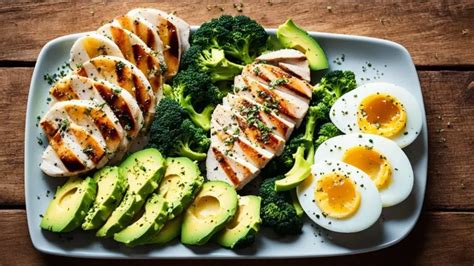
Protein is vital for men looking to lose fat. It promotes satiety, helps preserve muscle mass during weight loss, and has a higher thermic effect, meaning your body burns more calories digesting it. Aim for 1.6-2.2 grams of protein per kilogram of body weight from sources like lean meats, poultry, fish, eggs, dairy, and legumes.
2. Embrace Fiber-Rich Foods
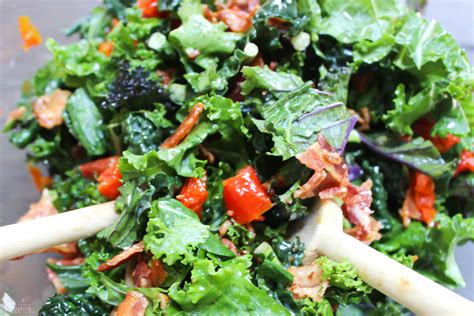
Soluble fiber, found in oats, beans, fruits, and vegetables, forms a gel in your gut that slows digestion and nutrient absorption, leading to increased fullness and reduced calorie intake. It also feeds beneficial gut bacteria, which can influence metabolism.
3. Limit Sugars and Refined Carbs
These are major culprits for belly fat accumulation. Sugary drinks, processed snacks, and white bread cause rapid spikes in blood sugar and insulin, promoting fat storage, especially in the abdominal area. Opt for whole grains, complex carbohydrates, and natural sources of sweetness like fruits in moderation.
4. Mindful Fat Consumption
Not all fats are created equal. Focus on healthy fats from avocados, nuts, seeds, and olive oil, which are essential for hormone production and satiety. Avoid trans fats found in many processed foods.
Strategic Exercise Regimen
While diet creates the caloric deficit, exercise accelerates fat loss, builds muscle, and boosts your metabolism.
1. Incorporate Strength Training
Lifting weights is paramount for men. Building muscle mass increases your resting metabolic rate, meaning you burn more calories even at rest. Focus on compound movements like squats, deadlifts, bench presses, and rows, which engage multiple muscle groups and are highly effective.
2. High-Intensity Interval Training (HIIT)
HIIT involves short bursts of intense exercise followed by brief recovery periods. It’s highly effective for burning calories, improving cardiovascular health, and can create an ‘afterburn effect’ (EPOC) where your body continues to burn calories at an elevated rate post-workout.
3. Consistent Cardio
While not the sole solution, moderate-intensity cardio (like brisk walking, jogging, or cycling) for 30-60 minutes several times a week contributes to overall calorie expenditure and cardiovascular health. It complements strength training and HIIT.

Lifestyle Adjustments for Success
Beyond diet and exercise, several lifestyle factors play a significant role in your ability to lose belly fat.
1. Manage Stress Levels
Chronic stress leads to elevated cortisol levels, a hormone that promotes fat storage, particularly in the abdominal area. Incorporate stress-reducing activities like meditation, yoga, hobbies, or spending time in nature.
2. Prioritize Quality Sleep
Lack of sleep can disrupt hormones that regulate appetite (ghrelin and leptin), leading to increased cravings and higher calorie intake. Aim for 7-9 hours of quality sleep per night.

3. Stay Hydrated
Drinking plenty of water supports metabolism, aids digestion, and can help reduce feelings of hunger. Often, thirst is mistaken for hunger, leading to unnecessary calorie consumption.
Patience and Consistency are Key
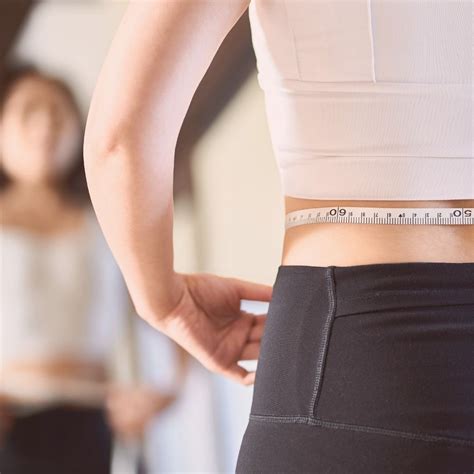
Targeting stubborn belly fat requires a multi-faceted approach and, most importantly, patience. There are no quick fixes. Consistent adherence to a balanced diet, a challenging exercise routine, and healthy lifestyle habits will yield lasting results. Track your progress not just by weight, but by waist circumference and how your clothes fit, as these are often better indicators of visceral fat reduction.