Finding Your Perfect Fit: Running Shoes for Wide Feet and Pronation
For men who hit the pavement regularly, the right running shoe is more than just footwear – it’s a critical piece of gear that can make or break a run, preventing discomfort and injury. This challenge is amplified for those with wide feet and pronation, a common biomechanical characteristic where the foot rolls inward excessively during gait. Combining these two needs requires a careful selection process, focusing on specific features that offer both space and support.

Understanding Wide Feet and Pronation
What Defines Wide Feet?
Unlike standard widths, wide feet require a shoe with a larger volume and a broader toe box to prevent pinching, blisters, and numbness. Wearing shoes that are too narrow can lead to bunions, hammertoes, and general foot pain, hindering your running performance and overall foot health. Most brands offer shoes in various widths (D for standard, E, 2E, 4E for increasing wideness), so knowing your actual foot width is the first crucial step.
Decoding Pronation
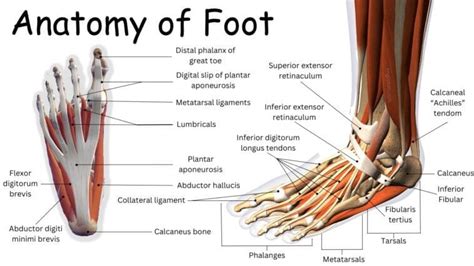
Pronation is the natural inward rolling motion of the foot that occurs when you walk or run. It’s a normal part of shock absorption. However, overpronation happens when the foot rolls inward too much and for too long, leading to potential issues like shin splints, plantar fasciitis, and knee pain. Runners with overpronation typically need “stability” or “motion control” shoes, which are designed to limit this excessive inward roll and guide the foot into a more neutral alignment.
Key Features to Look For in Running Shoes
When searching for the best running shoes for wide feet and pronation, prioritize these essential features:
- Stability Technology: Look for shoes with features like medial posts (firmer foam on the arch side), GuideRails, or similar support systems designed to reduce excessive inward rolling of the foot. These technologies help to maintain proper alignment from foot strike to toe-off.
- Available Wide Widths: Ensure the shoe model is offered in E, 2E, or 4E widths. Don’t just assume a “roomy” regular width will suffice. A truly wide shoe will have a broader base and upper to accommodate the entire foot comfortably.
- Ample Toe Box: Beyond just overall width, a generous toe box allows your toes to splay naturally, which is vital for balance and comfort, especially during longer runs.
- Supportive Cushioning: While stability is key, sufficient cushioning provides shock absorption and comfort. Look for a balance that doesn’t compromise the stability features. Often, stability shoes will have a slightly firmer feel than neutral cushioned shoes.
- Flexible and Breathable Upper: A mesh or engineered knit upper that can stretch and conform to your foot shape without constricting it is ideal. This also aids in ventilation, keeping your feet cooler and drier.
- Durable Outsole: A robust outsole provides good traction and extends the life of the shoe, especially important for regular runners.
Top Picks & Brands (General Recommendations)
While specific models change annually, certain brands consistently offer excellent options for men with wide feet and pronation. When shopping, you’ll generally find success with:
- Brands Known for Stability: Many established running brands have flagship stability lines. These often incorporate robust support technologies and are frequently available in multiple widths.
- Models with Robust Medial Support: Look for shoes that explicitly mention medial posts, J-Frame, or GuideRails in their descriptions. These are designed to counteract overpronation effectively.
- Shoes with Broad Platforms: Some shoes are built on a wider base overall, providing inherent stability and more room, even before considering specific width options.
Always check the manufacturer’s website or consult with a specialist running store to confirm the availability of wide sizes for stability models.

Tips for Getting the Right Fit
- Measure Your Feet: Don’t guess your size or width. Have your feet measured professionally at a specialty running store, especially if it’s been a while. Foot size and width can change over time.
- Try Them On Later in the Day: Your feet swell throughout the day, so trying on shoes in the afternoon or evening will give you the most accurate fit.
- Wear Your Running Socks: Bring the socks you typically run in to ensure the shoe fits correctly with your usual running attire.
- Test Them Out: Walk or jog around the store. Pay attention to how your arch feels, if your toes have enough room to splay, and if there’s any pinching or rubbing.
- Consider a Gait Analysis: Many specialty running stores offer a free gait analysis to observe how your feet move while running, helping to confirm your pronation level.

Conclusion
Finding the best running shoes for men with wide feet and pronation requires a targeted approach, prioritizing stability features, ample width options, and a comfortable fit. Investing time in research and visiting a specialty running store will pay dividends in comfort, performance, and injury prevention. With the right pair, you can enjoy your runs with confidence and support, mile after mile.