
Building Muscle After 30: A Realistic Approach for Busy Men
As men cross the 30-year mark, life often becomes a complex juggle of career demands, family responsibilities, and dwindling free time. The idea of consistent muscle gain can seem like an insurmountable challenge, especially with metabolism changes and recovery needs evolving. However, it’s entirely possible to build significant muscle and strength without living in the gym. The key lies in smart, efficient programming and a disciplined approach to nutrition and recovery.
This article will outline an effective, time-saving strategy for busy men over 30 to achieve their muscle-building goals, focusing on principles that maximize results in minimal time.
The Unique Landscape of Fitness Over 30
While the fundamental principles of muscle growth remain constant, men over 30 face specific considerations:
- Hormonal Shifts: Testosterone levels naturally begin a slow decline, impacting muscle protein synthesis and recovery.
- Recovery Time: Your body generally requires more time to recover from intense workouts.
- Joint Health: Older joints may be more susceptible to injury, necessitating proper form and warm-ups.
- Time Constraints: This is arguably the biggest hurdle, requiring a highly efficient workout protocol.

Core Principles for Time-Efficient Muscle Gain
To get the most out of your limited time, adhere to these foundational principles:
1. Compound Movements are King
Focus on exercises that work multiple muscle groups and joints simultaneously. These include squats, deadlifts, bench presses, overhead presses, and rows. Compound movements are incredibly efficient, stimulating more muscle fibers and eliciting a greater hormonal response than isolation exercises.
2. Progressive Overload is Non-Negotiable
For muscles to grow, they must be continually challenged. This means progressively increasing the weight, reps, sets, or decreasing rest times over time. Without progressive overload, your muscles have no reason to adapt and grow.
3. Prioritize Intensity Over Volume
With less time, you need to make every set count. Train with high intensity, pushing close to failure on your working sets. This doesn’t mean neglecting warm-ups, but once you’re lifting heavy, focus on quality over quantity of sets.
4. Smart Programming is Key
A full-body workout split or an upper/lower split are excellent choices for busy individuals. These allow for sufficient frequency to stimulate muscle growth while providing adequate recovery time between sessions.
The Optimal Workout Structure: Full-Body or Upper/Lower Split
For men over 30 with limited time (2-4 gym sessions per week), these splits offer the best balance of frequency, intensity, and recovery.
Sample Full-Body Workout (2-3x per week)
This routine hits all major muscle groups in each session, making it highly efficient. Perform 2-3 times a week on non-consecutive days (e.g., Monday, Wednesday, Friday).
- Warm-up: 5-10 minutes light cardio and dynamic stretches.
- Squats (Barbell or Dumbbell): 3 sets of 6-10 reps
- Bench Press (Barbell or Dumbbell): 3 sets of 6-10 reps
- Bent-Over Rows (Barbell or Dumbbell): 3 sets of 6-10 reps
- Overhead Press (Barbell or Dumbbell): 3 sets of 8-12 reps
- Romanian Deadlifts or Glute-Ham Raises: 2-3 sets of 10-15 reps
- Plank or Ab Rollouts: 3 sets to failure

Sample Upper/Lower Split (4x per week)
If you have slightly more time, an upper/lower split allows for more targeted volume. Perform on a schedule like Monday (Upper), Tuesday (Lower), Thursday (Upper), Friday (Lower).
Upper Body Day
- Warm-up: 5-10 minutes light cardio and dynamic stretches.
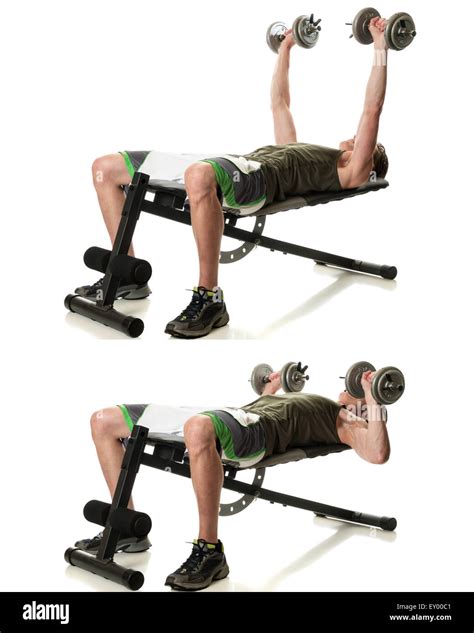
- Bench Press (Barbell or Dumbbell): 3-4 sets of 6-10 reps
- Pull-ups or Lat Pulldowns: 3-4 sets of 8-12 reps
- Overhead Press (Barbell or Dumbbell): 3 sets of 8-12 reps
- Barbell Rows or Seated Cable Rows: 3 sets of 8-12 reps
- Dumbbell Bicep Curls: 2-3 sets of 10-15 reps
- Triceps Pushdowns or Dips: 2-3 sets of 10-15 reps
Lower Body Day
- Warm-up: 5-10 minutes light cardio and dynamic stretches.
- Barbell Back Squats or Leg Press: 3-4 sets of 6-10 reps
- Romanian Deadlifts or Hamstring Curls: 3-4 sets of 8-12 reps
- Lunges or Bulgarian Split Squats: 3 sets of 10-15 reps per leg
- Calf Raises (standing or seated): 3-4 sets of 12-20 reps
- Abdominal Exercise (e.g., Crunches, Leg Raises): 3 sets of 15-20 reps
Beyond the Gym: Nutrition and Recovery
No workout program, no matter how perfect, will yield results if your recovery and nutrition aren’t dialed in. These are especially critical for men over 30.
1. Prioritize Protein Intake
Aim for 1.6-2.2 grams of protein per kilogram of body weight daily. Protein is the building block of muscle, and adequate intake is crucial for repair and growth.
2. Maintain a Slight Caloric Surplus
To build muscle, you generally need to consume more calories than you burn. A modest surplus (250-500 calories above maintenance) is usually sufficient to support muscle growth without excessive fat gain.
3. Embrace Quality Sleep and Stress Management
Sleep is when your body repairs and rebuilds. Aim for 7-9 hours of quality sleep per night. Chronic stress can elevate cortisol levels, which can hinder muscle growth and promote fat storage. Find healthy ways to manage stress.

Consistency and Adaptability
The best workout program is the one you can stick to consistently. Be patient, track your progress, and don’t be afraid to adjust your routine as your body adapts or your schedule changes. Listen to your body, prioritize proper form to prevent injuries, and consider consulting with a fitness professional if you’re unsure how to start.
Building muscle over 30, even with a busy schedule, is not just about physical transformation; it’s about reclaiming vitality, boosting confidence, and setting a strong foundation for long-term health. By focusing on efficient compound movements, progressive overload, and solid recovery, you can achieve impressive results without sacrificing your precious time.