The Foundation of a Powerful Squat: Why Your Shoes Matter
For anyone serious about lifting heavy, especially when it comes to squats, the shoes on your feet are far more than just a fashion statement. They are a critical piece of equipment, forming the direct connection between you and the floor. A stable, supportive, and durable pair of shoes can significantly impact your performance, depth, balance, and ultimately, your safety under a heavy barbell. Unlike general athletic shoes designed for running or jumping, dedicated lifting shoes are engineered to provide a solid, incompressible base that optimizes your biomechanics for heavy loads.

Key Attributes for Superior Lifting Footwear
When selecting the best gym shoes for heavy squats, three pillars stand out: unwavering support, robust durability, and long-term value. Understanding these elements is crucial for making an informed decision.
Unwavering Support and Stability
The primary function of a lifting shoe is to provide a rock-solid, stable platform. This means a flat, hard, and incompressible sole that prevents your foot from sinking or shifting under load. Look for features like a wide base for ground contact, and potentially a metatarsal strap for an even more secure fit, locking your foot into the shoe. A stable shoe helps translate force efficiently from your legs to the floor, enhancing power transfer and minimizing energy loss.
Built to Last: Durability Under Duress
Heavy lifting puts immense stress on footwear. From the constant pressure on the sole to the wear and tear on the upper materials from straps and movements, durability is non-negotiable. Quality lifting shoes are constructed with rugged materials—often synthetic leather, tough canvas, or specialized polymers—and reinforced stitching to withstand years of heavy use. A durable shoe is a long-term investment that won’t break down when you need it most.

Long-Term Value: Performance Meets Price
While some specialized lifting shoes can come with a higher price tag, their value is often realized in their performance benefits and longevity. Consider the cost-per-use and the potential for improved lifting technique and injury prevention. A cheaper shoe that offers poor support or quickly breaks down is not a good value in the long run. Investing in a high-quality pair that enhances your lifting and lasts for years ultimately offers better value.
Types of Shoes Ideal for Heavy Squats
Not all gym shoes are created equal when it comes to heavy lifting. Here are the main categories to consider:
1. Olympic Weightlifting Shoes
These are characterized by a raised, incompressible heel (typically 0.5 to 1 inch), a firm sole, and often a metatarsal strap. The elevated heel allows for greater ankle dorsiflexion, which can help lifters achieve deeper squat depths with a more upright torso, especially beneficial for those with limited ankle mobility. They are excellent for high-bar back squats and front squats.
2. Powerlifting Shoes / Flat-Soled Lifting Shoes
These shoes feature a completely flat, hard, and incompressible sole with no heel elevation. They provide maximum ground contact and a wide, stable base. Often favored by powerlifters, especially for low-bar back squats and deadlifts, they promote a feeling of being directly connected to the floor. The flat sole can benefit lifters who have good ankle mobility or prefer a more horizontal torso angle in their squat.

3. Minimalist or Barefoot-Style Shoes (with hard soles)
While not traditional lifting shoes, some minimalist shoes with very thin, hard, and flat soles can serve a similar purpose to flat-soled powerlifting shoes. They offer excellent proprioception and a wide toe box, promoting natural foot mechanics. However, ensure the sole is truly incompressible and durable enough for heavy loads, as many minimalist shoes are designed for general fitness rather than heavy lifting.
What to Avoid: The Wrong Footwear for Squats
Steer clear of running shoes, cross-trainers with heavily cushioned soles, or any shoe designed for absorbing impact rather than providing stability. The soft, compressible foam in these shoes creates an unstable platform, similar to squatting on a pillow. This instability can compromise balance, reduce power transfer, and potentially increase the risk of injury during heavy squats.
Making the Right Choice for Your Lifts
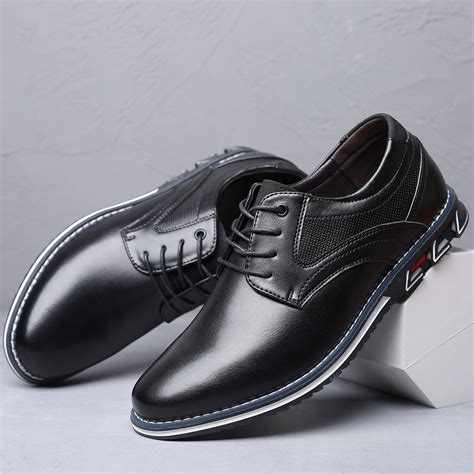
The best shoe for you will depend on your individual biomechanics, lifting style, and specific goals. Consider your ankle mobility, squat technique (high-bar vs. low-bar), and budget. Many lifters even own both a heeled weightlifting shoe and a flat-soled option to cover different movements or training phases.
Ultimately, investing in proper footwear for heavy squats is an investment in your performance, safety, and longevity in the gym. Choose wisely, and build your foundation for powerful, stable lifts.