
The Active Man’s Battle Against Back Pain
For active men, the paradox can be frustrating: staying fit often comes with its own set of challenges, particularly when it comes to lower back pain and maintaining optimal posture. Whether you’re a weekend warrior, a gym enthusiast, or someone who simply enjoys an active lifestyle, the demands placed on your body can lead to muscle imbalances, stiffness, and ultimately, discomfort in the lower back.
Hours spent sitting, intense workouts, and repetitive movements can all contribute to tight hips, weak core muscles, and poor spinal alignment. The good news is that targeted exercises, consistently performed, can provide significant relief from pain and drastically improve your posture, allowing you to continue pursuing your active passions.

Understanding the Root Causes
Many active men experience lower back pain due to a combination of factors:
- Tight Hip Flexors and Hamstrings: Prolonged sitting or activities like cycling can shorten these muscles, pulling on the pelvis and increasing lumbar curve.
- Weak Core Muscles: A strong core (abdominals, obliques, lower back) acts as a natural corset for your spine. When these are weak, other muscles compensate, leading to strain.
- Poor Glute Activation: Inactive glutes can force the hamstrings and lower back to work harder, leading to overuse and pain.
- Lack of Thoracic Mobility: A stiff upper back can force the lower back to overcompensate for rotational movements.
Essential Principles for Relief & Improvement
To effectively address lower back pain and improve posture, your routine should focus on:
- Mobility & Flexibility: Loosening tight muscles and improving joint range of motion.
- Core Strength: Building a stable foundation for your spine.
- Glute Activation: Engaging the powerful muscles that support your pelvis and lower back.
- Postural Awareness: Consciously correcting your alignment throughout the day.
Top Exercises for Lower Back Relief & Posture
1. Cat-Cow Stretch
This gentle spinal mobility exercise helps to relieve tension and improve the flexibility of your spine. Start on all fours, hands under shoulders, knees under hips. Arch your back on an inhale (cow), then round your spine on an exhale (cat). Repeat slowly for 10-15 repetitions.
2. Bird-Dog
An excellent exercise for core stability and balance without putting excessive strain on the lower back. From all fours, extend your right arm forward and left leg backward simultaneously, keeping your core engaged and hips level. Hold for a few seconds, then return. Alternate sides for 10-12 repetitions per side.

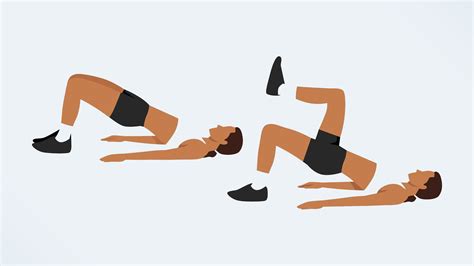
3. Glute Bridge
Activates the glutes and strengthens the core, taking pressure off the lower back. Lie on your back with knees bent, feet flat on the floor, hip-width apart. Lift your hips off the floor until your body forms a straight line from shoulders to knees. Squeeze your glutes at the top. Lower slowly. Perform 12-15 repetitions.
4. Dead Bug
Another core stability exercise that focuses on controlled movement and abdominal strength without spinal flexion. Lie on your back, knees bent at 90 degrees, arms extended towards the ceiling. Slowly lower your right arm and left leg simultaneously until just above the floor. Return to the start and alternate. Aim for 10-12 repetitions per side.
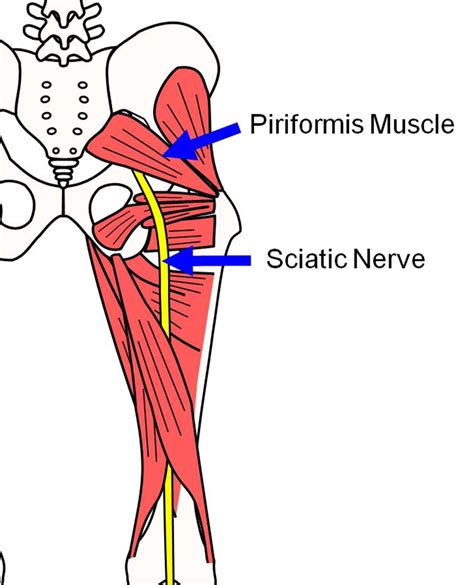
5. Piriformis Stretch
Stretches a deep gluteal muscle that can contribute to sciatica-like pain when tight. Lie on your back, bend knees, feet flat. Cross one ankle over the opposite knee. Gently pull the bottom thigh towards your chest until you feel a stretch in the glute. Hold for 20-30 seconds per side.
6. Thoracic Spine Rotation
Improves upper back mobility, reducing the need for the lower back to compensate. Lie on your side with knees bent at 90 degrees, arms extended forward. Keep your bottom arm straight. Rotate your top arm and upper body backward, trying to touch your shoulder blade to the floor. Follow your hand with your eyes. Perform 8-10 repetitions per side.
7. Superman
Strengthens the erector spinae muscles along your spine, which are crucial for maintaining good posture. Lie on your stomach, arms and legs extended. Simultaneously lift your arms, chest, and legs off the floor, engaging your back muscles. Hold for a few seconds, then lower. Perform 10-12 repetitions.
Integrating These Exercises into Your Routine
For best results, aim to perform these exercises 3-5 times a week. You can incorporate them as a warm-up before your main workout, as a cool-down, or as a dedicated short session. Focus on slow, controlled movements and proper form over speed or intensity. Breathing deeply throughout each exercise is also crucial.
Important Considerations & When to Seek Help
While these exercises are highly effective for most active men, always listen to your body. If any exercise causes sharp pain, stop immediately. Consistency is key, but so is patience. It may take several weeks to notice significant improvements.
If your lower back pain is severe, persistent, or accompanied by numbness, tingling, or weakness in your legs, consult a healthcare professional, physical therapist, or sports medicine doctor. They can provide a proper diagnosis and personalized treatment plan.

Conclusion
Taking a proactive approach to lower back pain and posture is essential for active men who want to maintain their peak performance and quality of life. By incorporating these foundational exercises into your routine, you can strengthen your core, improve flexibility, and build a more resilient, pain-free body. Invest in your spinal health now, and enjoy the benefits of a stronger, better-aligned physique for years to come.