
Understanding Visceral Fat: Why It Matters for Men
Visceral fat, often referred to as “hidden fat,” is the type of fat stored deep within the abdominal cavity, surrounding vital organs like the liver, pancreas, and intestines. Unlike subcutaneous fat (the fat you can pinch), visceral fat is metabolically active and produces inflammatory substances that can significantly increase the risk of serious health conditions. For men, higher levels of visceral fat are strongly linked to an increased risk of heart disease, type 2 diabetes, stroke, certain cancers, and even hormonal imbalances.
While a certain amount of visceral fat is necessary for cushioning organs, an excess poses a substantial health threat. The good news is that visceral fat is highly responsive to lifestyle changes. This article provides actionable, evidence-based tips specifically for men looking to shed this dangerous fat and safeguard their long-term health.
Adopt a Visceral Fat-Fighting Diet
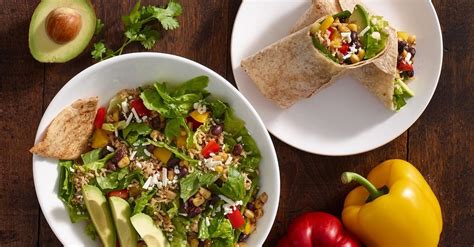
Your diet is perhaps the most critical factor in reducing visceral fat. Focus on nutrient-dense foods and make strategic cuts.
- Prioritize Protein: Lean protein sources like chicken breast, fish, eggs, legumes, and Greek yogurt can increase satiety, reduce overall calorie intake, and preserve muscle mass during weight loss.
- Embrace Fiber-Rich Foods: Soluble fiber, found in oats, barley, beans, apples, and citrus fruits, helps you feel full, stabilizes blood sugar, and has been directly linked to a reduction in visceral fat.
- Cut Sugary Drinks and Refined Carbs: Sugary sodas, fruit juices (with added sugar), pastries, white bread, and pasta contribute significantly to visceral fat accumulation. Replace these with water, unsweetened tea, and whole grains.
- Incorporate Healthy Fats: Don’t fear fats, but choose wisely. Avocados, nuts, seeds, and olive oil provide essential fatty acids and can aid in satiety, but remember they are calorie-dense, so portion control is key.
- Mind Your Portions: Even healthy foods can lead to weight gain if consumed in excess. Practice mindful eating and be aware of serving sizes.
Strategic Exercise for Core Fat Loss
While spot reduction isn’t possible, a well-rounded exercise program will significantly impact visceral fat.
- Cardiovascular Exercise: Aim for at least 150 minutes of moderate-intensity aerobic activity (brisk walking, jogging, cycling, swimming) or 75 minutes of vigorous-intensity activity per week. Cardio is highly effective at burning calories and directly targeting visceral fat.
- High-Intensity Interval Training (HIIT): Incorporate HIIT sessions a few times a week. Short bursts of intense exercise followed by brief recovery periods are incredibly efficient for burning fat and boosting metabolism.
- Strength Training: Don’t neglect resistance training. Building muscle mass increases your resting metabolism, meaning you burn more calories even at rest. Aim for 2-3 full-body strength training sessions per week.
- Stay Active Throughout the Day: Reduce sedentary time by taking stairs, standing more, and walking during breaks. Every bit of movement adds up.

Lifestyle Adjustments Beyond Diet and Exercise
Beyond what you eat and how you move, several lifestyle factors play a crucial role in visceral fat management.
- Manage Stress: Chronic stress elevates cortisol levels, a hormone that promotes the storage of visceral fat. Incorporate stress-reducing activities like meditation, yoga, deep breathing exercises, or hobbies you enjoy.
- Prioritize Quality Sleep: Lack of sleep disrupts hormones that regulate appetite (ghrelin and leptin) and can lead to increased visceral fat. Aim for 7-9 hours of quality sleep per night. Establish a regular sleep schedule and create a conducive sleep environment.
- Limit Alcohol Consumption: Excess alcohol, especially sugary mixed drinks and beer, contributes significantly to “empty” calories and can promote visceral fat accumulation. If you drink, do so in moderation.

Hydration and Mindful Eating Practices
These often-overlooked aspects are powerful tools in your visceral fat loss journey.
- Drink Plenty of Water: Staying well-hydrated supports metabolism, helps you feel full, and can reduce cravings for sugary drinks. Aim for at least 8 glasses (around 2 liters) of water daily.
- Practice Mindful Eating: Pay attention to your body’s hunger and fullness cues. Eat slowly, savor your food, and avoid distractions like screens. This can prevent overeating and improve digestion.
- Cook at Home More Often: Preparing your own meals gives you control over ingredients, portion sizes, and cooking methods, making it easier to stick to a healthy diet.

Consistency is Key and Monitoring Progress
Losing visceral fat is a journey, not a sprint. Consistency in your efforts and a way to monitor progress will ensure long-term success.
- Be Consistent: Adherence to your dietary and exercise plan over time is far more important than sporadic intense efforts. Small, sustainable changes yield the best results.
- Track Your Progress (But Don’t Obsess): While the scale is one measure, consider other indicators like waist circumference (a strong indicator of visceral fat), how your clothes fit, energy levels, and overall well-being. Measure your waist at the navel periodically.
- Seek Professional Guidance: If you’re struggling or have underlying health conditions, consult a doctor, registered dietitian, or certified personal trainer. They can offer personalized advice and support.

Take Control of Your Health
Reducing visceral fat is one of the most impactful steps men can take to significantly improve their health and longevity. By committing to a balanced diet rich in protein and fiber, engaging in regular cardiovascular and strength training, managing stress, prioritizing sleep, and staying hydrated, you can effectively diminish this dangerous fat. Remember, these changes are not just about aesthetics; they are about taking proactive control of your well-being and building a healthier, stronger future. Start today, stay consistent, and enjoy the profound benefits of a healthier body.