Taking the plunge into investing can feel like navigating uncharted waters, especially when you’re starting with a modest sum like $1,000. For men looking to build a secure financial future, this first investment is a powerful statement of intent. The good news is that $1,000 is an excellent starting point, enough to get your feet wet and harness the power of compounding. The key is to choose the right strategy that aligns with your goals for growth.
Laying the Financial Foundation First
Before you even think about putting that $1,000 into the market, it’s crucial to ensure your financial house is in order. This isn’t just good advice; it’s a prerequisite for successful investing.
Build Your Emergency Fund
No investment will provide peace of mind if a sudden expense can derail your finances. Aim to have at least three to six months’ worth of living expenses saved in an easily accessible, high-yield savings account. Your first $1,000 might be best served starting or topping up this essential safety net.
Tackle High-Interest Debt
If you have credit card debt or other loans with high interest rates (typically anything above 6-7%), paying them down offers an immediate, guaranteed ‘return’ that often outperforms market investments. Using your $1,000 to eliminate or significantly reduce such debt is a smart financial move.

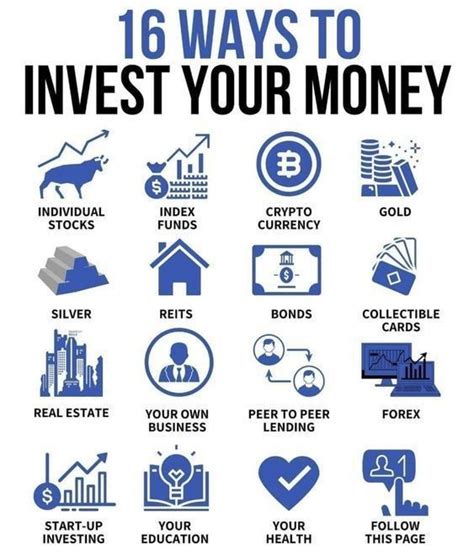
Top Options for Investing Your First $1,000
Once your foundation is solid, here are some of the most effective places to put your first $1,000 for growth, tailored for beginner investors.
1. Robo-Advisors: The Hands-Off Approach
Robo-advisors are automated digital platforms that manage your investments for you. They ask a series of questions about your financial goals, risk tolerance, and timeline, then recommend and manage a diversified portfolio of low-cost ETFs (Exchange Traded Funds).
Why they’re great for beginners: They remove the guesswork, automatically rebalance your portfolio, and typically have low minimums and management fees (often around 0.25% to 0.50% of assets managed per year). Popular options include Betterment and Wealthfront.

2. Low-Cost Index Funds or ETFs
If you prefer a more direct approach than a robo-advisor but still want broad diversification, investing in a low-cost index fund or ETF is an excellent choice. These funds hold a basket of stocks or bonds that track a specific market index, like the S&P 500.
How they offer growth: By investing in an S&P 500 index fund, for example, you own a tiny piece of the 500 largest U.S. companies. This provides instant diversification and exposes you to the overall growth of the stock market. You can purchase these through any major brokerage firm (e.g., Fidelity, Vanguard, Charles Schwab). Many offer commission-free ETFs, meaning you won’t pay a fee to buy or sell them.
3. Target-Date Funds (Within a Retirement Account)
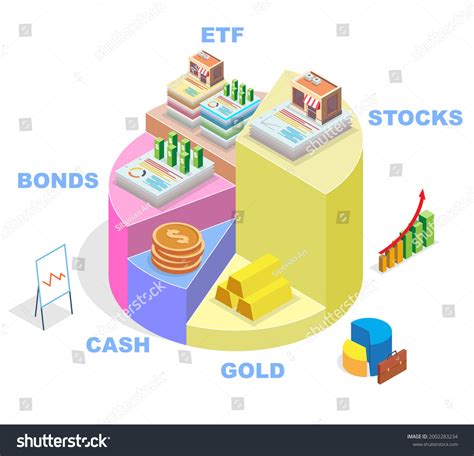
While your first $1,000 might not be earmarked for retirement, if you have access to a Roth IRA or traditional IRA, a target-date fund is a fantastic, hands-off option. These funds automatically adjust their asset allocation (stocks to bonds ratio) as you get closer to your target retirement year.
Benefit: They offer professional management and diversification, becoming more conservative over time without you needing to make any changes. While setting up an IRA and contributing $1,000 directly might be your primary goal, knowing about target-date funds for future contributions is valuable.
Key Principles for Long-Term Growth
Your first $1,000 is just the beginning. To truly build wealth, keep these principles in mind:
Start Early, Invest Regularly
The magic of compounding interest works best over long periods. The sooner you start, and the more consistently you contribute (even small amounts), the more significant your returns will be over decades. Aim to make investing a regular habit, perhaps by setting up an automatic transfer each month.

Diversification is Your Shield
Never put all your eggs in one basket. Robo-advisors and index funds/ETFs inherently provide diversification. This strategy reduces risk, as the poor performance of one asset is offset by the better performance of others.
Stay the Course
Market fluctuations are normal. There will be ups and downs. The most successful investors are those who remain calm during downturns and resist the urge to pull their money out. Investing is a marathon, not a sprint, and a long-term perspective is crucial for growth.

Taking the First Step
Your first $1,000 investment is more than just money in the market; it’s a commitment to your financial future. Whether you choose the simplicity of a robo-advisor or the broad market exposure of an index fund, the most important step is to start. Educate yourself, choose a path that feels comfortable, and commit to consistent, long-term investing. The journey to financial independence begins with that single, decisive step.