The Inevitable Slump: When Motivation Takes a Hike
We’ve all been there: staring at a daunting task, knowing it needs to be done, yet feeling an insurmountable inertia. The initial burst of motivation that once propelled us forward has fizzled out, leaving a vacuum filled with dread and distraction. Procrastination, in these moments, isn’t a sign of laziness; it’s often a symptom of feeling overwhelmed, fearful of failure, or simply lacking the internal spark to begin. But what do you do when the well of motivation runs dry?
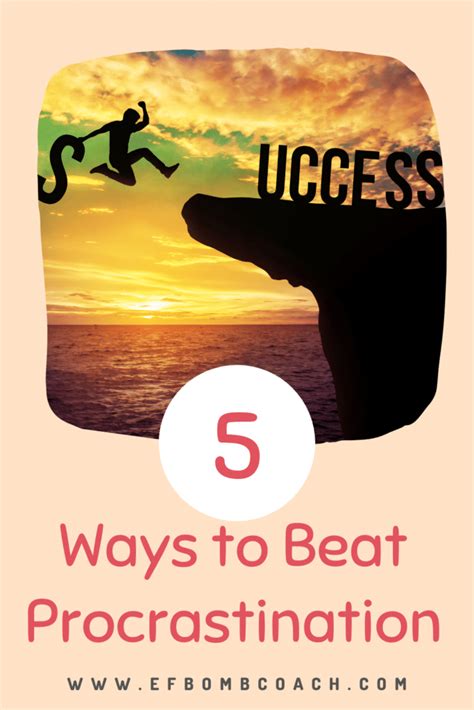
The good news is that you don’t need a surge of inspiration to get started. You need a system, a few tried-and-true techniques that bypass the need for emotional readiness and focus purely on action. It’s about building momentum, one tiny step at a time.

Strategy 1: Embrace the Power of the Micro-Action
When a task feels too big, our brains naturally resist. The key is to make the first step so ridiculously small that it feels impossible to say no. Think of “micro-actions.” Instead of “write a report,” your micro-action could be “open the document,” or “write one sentence.” For “clean the house,” it could be “put away one item.” This isn’t about completing the task; it’s about initiating it and proving to yourself that you can start.
Once you’ve completed that tiny step, the psychological barrier to continuing often diminishes. You’ve broken the spell of inertia, and the next step feels a little less intimidating. This is the essence of building momentum from nothing.
Strategy 2: The Two-Minute Rule and Time Boxing
Inspired by productivity expert James Clear, the “Two-Minute Rule” states: If a task takes less than two minutes, do it immediately. This prevents small tasks from piling up and becoming overwhelming. But even for larger tasks, you can apply a similar principle: commit to just two minutes of focused work.
Set a timer for a very short duration – 5 or 10 minutes. Tell yourself you only have to work on the task for that short period. Often, once you’ve started and are immersed, you’ll find yourself continuing past the timer. Even if you stop, you’ve still made progress, which is far better than zero.

Strategy 3: Optimize Your Environment, Not Your Willpower
Our environment plays a massive role in our ability to focus and avoid distractions. If your workspace is cluttered, your phone is constantly buzzing, or your browser has a dozen open tabs, you’re setting yourself up for failure. Instead of relying on brute-force willpower, design your environment for success.
Clear your desk, put your phone in another room, close unnecessary tabs, and perhaps even put on some focus music. Make it harder to procrastinate and easier to do the work. The less friction there is between you and the task, the more likely you are to start.

Strategy 4: Leverage Small Rewards and Accountability
Sometimes, we need an external push or pull. Promise yourself a small, immediate reward for starting or completing a micro-action – a cup of coffee, five minutes of a favorite podcast, a short walk. These aren’t bribes for finishing the whole project, but motivators for starting the next chunk.
Accountability can also be a powerful force. Tell a friend or colleague what you plan to start, or use a productivity app that tracks your progress. The knowledge that someone (or something) is “watching” can provide that extra nudge when internal motivation is low.
Strategy 5: Practice Self-Compassion and Focus on Consistency
It’s easy to get caught in a cycle of self-criticism when we procrastinate, which only exacerbates the problem. Instead, approach yourself with kindness. Acknowledge that it’s tough, but remind yourself that you’re capable of making progress. Self-compassion reduces stress and can free up mental energy to actually engage with the task.
Ultimately, beating procrastination isn’t about waiting for motivation to strike; it’s about building a consistent habit of starting, no matter how small. Focus on showing up, even imperfectly. Each small victory builds confidence and makes the next start a little easier. You don’t need to feel like doing it; you just need to do it.