Why Starting with $1,000 is a Smart Move
Many men delay investing because they believe they need a large sum of money to begin. The truth is, starting with a modest amount like $1,000 is not only feasible but highly beneficial. It allows you to learn the ropes, understand market dynamics, and build confidence without taking on excessive risk. This initial step can kickstart a lifelong habit of wealth accumulation, leveraging the power of compound interest over time.
It’s about more than just the money; it’s about building financial literacy and discipline. By actively managing even a small portfolio, you gain invaluable experience that will serve you well as your investment capital grows. Let’s break down the actionable steps to turn that first $1,000 into a foundation for your financial future.

Step 1: Get Your Financial House in Order
Before you even think about buying your first share, ensure your personal finances are stable. This means having an emergency fund (3-6 months of living expenses saved in an easily accessible account) and tackling high-interest debt, such as credit card balances. Investing while drowning in high-interest debt is like trying to fill a bucket with a hole in the bottom.
Once your emergency fund is solid and high-interest debt is under control, you’re ready to allocate that $1,000 towards investments. This preparatory step provides a crucial safety net, ensuring that market fluctuations won’t force you to liquidate your investments prematurely for unexpected expenses.
Step 2: Define Your Investment Goals and Timeline
What are you hoping to achieve with this investment? Are you saving for a down payment on a house in five years, or is this part of your long-term retirement strategy decades away? Your goals will dictate your risk tolerance and the types of investments you choose. A shorter timeline usually calls for lower-risk investments, while a longer horizon allows you to take on more risk for potentially higher returns.
For your first $1,000, it’s often wise to think long-term and focus on growth. This initial capital isn’t likely to be your sole retirement fund, but it’s the starting block. Understanding your objectives will make the subsequent steps much clearer and more purposeful.
Step 3: Choose the Right Investment Platform
For beginners with $1,000, there are generally two excellent options:
- Robo-Advisors: Services like Betterment or Wealthfront are perfect for new investors. They automate your investments based on your risk tolerance and goals, often using diversified portfolios of low-cost ETFs. They handle all the rebalancing and selection for a small annual fee (typically 0.25%-0.50%).
- Discount Brokerages: Platforms like Fidelity, Charles Schwab, or Vanguard allow you to open an investment account and buy individual ETFs or mutual funds yourself. These require a bit more hands-on learning but offer greater control and potentially lower fees if you choose commission-free funds.
Research each option to see which aligns best with your comfort level regarding involvement and fees. Many platforms have no minimum to open an account, making your $1,000 easily accessible for investment.

Step 4: Select Your Investment Vehicles
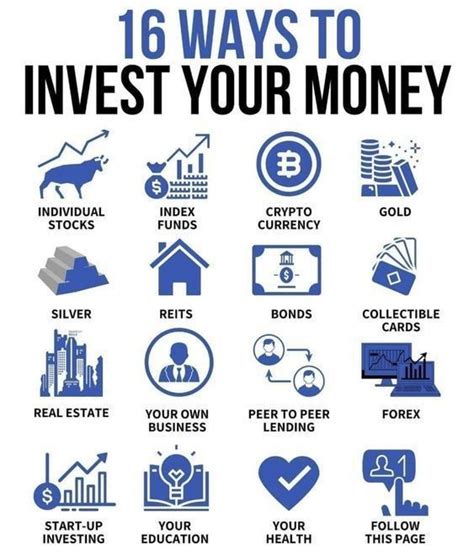
With just $1,000, diversification is key. Instead of trying to pick individual stocks, which can be risky and require significant research, focus on these:
- Exchange-Traded Funds (ETFs): These are funds that hold a basket of assets (stocks, bonds, commodities) and trade like individual stocks. They offer instant diversification. Look for broad market ETFs, like those tracking the S&P 500 (e.g., SPY, IVV, VOO) or total U.S. stock market (e.g., VTI).
- Index Funds (Mutual Funds): Similar to ETFs, but they typically trade only once per day. Vanguard is famous for its low-cost index funds. Many brokerages offer their own versions.
For a first $1,000, allocating it all to a single, broad-market ETF or index fund is a solid, diversified strategy. This allows you to gain exposure to hundreds or thousands of companies without having to buy each one individually.

Step 5: Automate and Monitor (But Don’t Obsess)
Once your initial $1,000 is invested, the real magic happens over time. Set up a regular contribution plan, even if it’s just $50 or $100 a month. This practice, known as dollar-cost averaging, helps smooth out market volatility and builds your portfolio consistently.
Monitor your investments periodically (quarterly or semi-annually) to ensure they still align with your goals and risk tolerance. However, resist the urge to check daily or make impulsive decisions based on short-term market movements. Investing is a long game, and patience is a virtue.

Step 6: Continue Learning and Growing
Your first $1,000 investment is just the beginning. Dedicate time to educating yourself further about personal finance and investing. Read books, listen to podcasts, and follow reputable financial news sources. The more you understand, the more confident and capable you’ll become in managing your wealth.
Remember, every seasoned investor started exactly where you are now. The most important step is the first one – getting started. Your $1,000 is not just money; it’s a powerful tool for building a more secure and prosperous future.