The Premium Fuel Dilemma: Separating Fact from Fiction
Many drivers automatically assume that pumping premium-grade fuel into their tank is always better for their car, leading to enhanced performance, better fuel economy, or a cleaner engine. However, for the vast majority of vehicles on the road today, this is simply not true and often results in an unnecessary expense. The key to making an informed decision lies in understanding what premium fuel actually is and how it interacts with your specific engine.
Understanding Octane Rating: More Than Just a Number
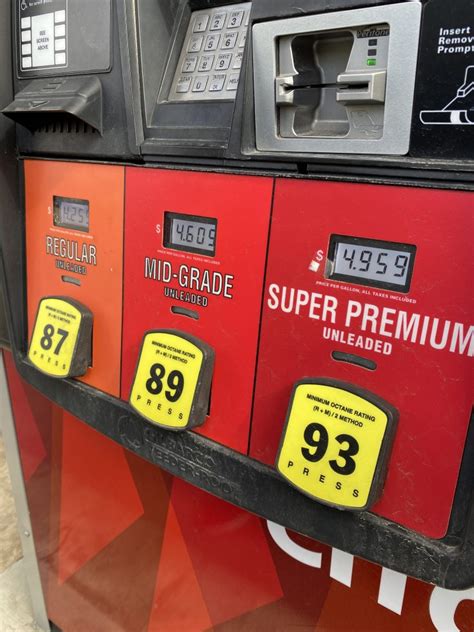
The primary difference between regular (typically 87 octane) and premium (typically 91 or 93 octane) gasoline is its octane rating. Octane measures a fuel’s resistance to pre-ignition, also known as “knocking” or “pinging.” Engine knocking occurs when the fuel-air mixture ignites prematurely under compression before the spark plug fires, which can damage an engine over time. Higher octane fuel is more resistant to this premature ignition.
It’s crucial to understand that a higher octane rating doesn’t mean more energy content or a “richer” fuel. It simply means greater stability under compression. If your engine isn’t designed to operate at the high compression ratios that would cause knocking with regular fuel, then using premium fuel offers no inherent benefit.
Does Your Car Actually Need Premium? Check Your Manual!
The definitive answer to whether your car needs premium fuel is found in your vehicle’s owner’s manual. Car manufacturers clearly specify the recommended or required fuel type for optimal engine performance and longevity. Look for phrases like “Premium Fuel Required” or “Premium Fuel Recommended.”
If your manual states “Regular Unleaded Fuel Only” or simply “87 Octane Recommended,” using premium fuel is a waste of money. Your engine’s computer system (ECU) is calibrated for regular octane fuel and cannot take advantage of the higher octane. Conversely, if your car “requires” premium, using regular could lead to engine knocking and potential long-term damage.

Engines That Truly Benefit from Premium Fuel
Generally, premium fuel is designed for high-compression, high-performance, or turbocharged/supercharged engines. These engines generate more heat and pressure within the cylinders, making them more susceptible to pre-ignition with lower octane fuel. Modern engines in luxury cars, sports cars, and certain performance-oriented sedans and SUVs are often designed with precise timing and compression ratios that necessitate premium fuel to unleash their full potential and prevent damage.
For these specific vehicles, using the specified premium fuel is not an option but a requirement to maintain engine health, optimize performance, and ensure efficiency as designed by the manufacturer.
The Myth vs. Reality: Performance, Economy, and Cleaning
Performance Boost?
For engines not designed for premium fuel, using it will not magically unlock extra horsepower or torque. Your car’s engine control unit (ECU) is tuned for a specific octane range. If you put higher octane fuel in an engine designed for regular, the ECU simply won’t adjust spark timing to take advantage of the extra knock resistance, making it an expensive placebo.
Better Fuel Economy?
Similar to performance, there’s no evidence that premium fuel provides better miles per gallon in vehicles that don’t specifically require it. Any perceived improvement is typically coincidental or psychological.
Cleaner Engine?
All grades of gasoline sold in the United States contain detergents and additives to prevent deposits and keep fuel injectors clean. Top-tier gasoline, regardless of octane, typically contains a higher concentration of these detergents. If you’re concerned about engine cleanliness, choose a Top Tier certified fuel brand rather than just focusing on octane rating.

When is it NOT Worth the Extra Cost?
For the vast majority of cars on the road – including most sedans, SUVs, and minivans with naturally aspirated engines – premium fuel offers no discernible benefit. You’re simply paying more for a product your engine doesn’t need. Over a year, this can amount to hundreds of dollars in unnecessary spending. Older cars, unless specifically high-performance models from their era, also rarely benefit from premium fuel.
The Smart Approach to Fueling Your Vehicle
The best way to avoid wasting money at the pump is to stick to your vehicle manufacturer’s recommendations. If your owner’s manual states “Regular Unleaded,” use regular. If it says “Premium Required,” then by all means, use premium. If it says “Premium Recommended” but not required, you might notice a slight difference in performance under certain conditions (like heavy load or hot weather), but it’s often not significant enough to justify the consistent extra cost for daily driving.
Don’t fall for marketing hype or common misconceptions. Fueling your car correctly means understanding its specific needs, not just opting for the most expensive option. Your wallet and your engine will thank you.