Fueling Your Body on a Budget: The Ultimate Guide
In a world where healthy eating often comes with a hefty price tag, many believe that maximizing energy and building muscle requires an unlimited grocery budget. This couldn’t be further from the truth. With smart planning, strategic shopping, and a focus on nutrient-dense, affordable ingredients, you can achieve your fitness and health goals without draining your wallet. This article will equip you with the knowledge and actionable tips to eat well, feel strong, and save money.
Why Budget-Friendly Nutrition Matters
Beyond the obvious financial savings, adopting a budget-conscious approach to nutrition fosters creativity in the kitchen, reduces food waste, and encourages a deeper understanding of food sources. It’s about making sustainable choices that support long-term health, not just short-term gains. Focusing on whole, unprocessed foods naturally leads to better energy levels, improved digestion, and effective muscle repair and growth.
The Pillars of Affordable & Effective Nutrition
Success starts with a few core principles that guide your food choices and shopping habits:
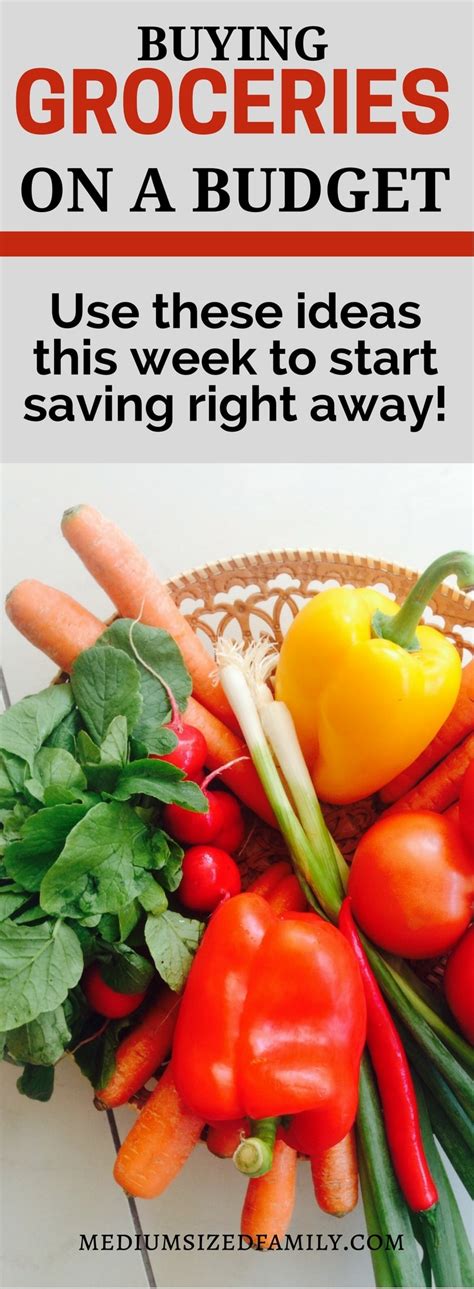
- Smart Shopping: Plan your meals, make a list, and stick to it. Shop sales, use coupons, and consider buying store brands.
- Bulk Buying (Wisely): Non-perishables like rice, pasta, beans, and oats are often cheaper in larger quantities.
- Embrace Whole Foods: Prioritize ingredients in their most natural state. They are generally more affordable and nutrient-dense than processed alternatives.
- Cook at Home: Eating out, even fast food, quickly adds up. Preparing your own meals gives you control over ingredients and costs.
Affordable Protein Powerhouses for Muscle Growth
Protein is crucial for muscle repair and growth, and you don’t need expensive cuts of meat to get enough. Here are some budget-friendly options:
- Eggs: One of the most complete and affordable protein sources. Versatile for any meal.
- Legumes (Beans, Lentils, Chickpeas): Inexpensive, high in protein and fiber. Buy dried in bulk for maximum savings.
- Canned Fish (Tuna, Sardines, Mackerel): Excellent source of protein and omega-3 fatty acids. Look for sales.
- Chicken Thighs/Drumsticks: Often cheaper than breasts and richer in flavor.
- Greek Yogurt: A good source of protein, especially when bought in larger tubs.
- Tofu/Tempeh: Plant-based options that are cost-effective and versatile.
Energy-Boosting Carbs Without the Cost
Carbohydrates are your body’s primary energy source, essential for high-intensity workouts and daily function. Choose complex carbs for sustained energy:
- Oats: Inexpensive, versatile, and packed with fiber.
- Brown Rice & Whole Wheat Pasta: Staple grains that provide lasting energy.
- Potatoes & Sweet Potatoes: Affordable, nutrient-dense, and satisfying.
- Bananas: A quick and easy source of energy.
Healthy Fats on a Dime
Don’t neglect healthy fats; they’re vital for hormone production and nutrient absorption. While some healthy fats can be pricey, smart choices exist:
- Seeds (Chia, Flax, Sunflower): Buy in bulk for a good deal.
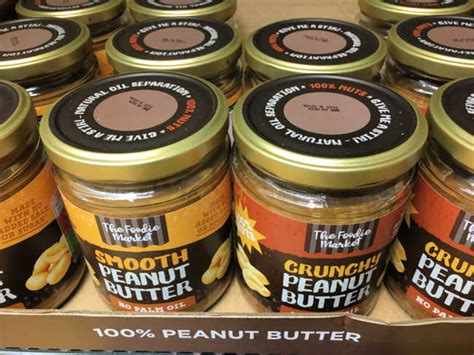
- Peanut Butter: Check labels for varieties with minimal added sugar and oil.
- Avocados: Buy when on sale and freeze ripe portions, or smash for guacamole.
- Olive Oil: A good quality extra virgin olive oil can be a worthwhile investment for its health benefits.

Maximizing Micronutrients with Minimal Spending
Vitamins and minerals are crucial for overall health, energy production, and muscle function. You can get plenty without breaking the bank:
- Frozen Fruits & Vegetables: Often cheaper than fresh, just as nutritious, and last longer.
- Seasonal Produce: Buy fruits and vegetables when they are in season and on sale. Farmers’ markets can also offer good deals.
- Root Vegetables: Carrots, onions, and garlic are inexpensive staples.
Smart Strategies for Budget Meal Prep
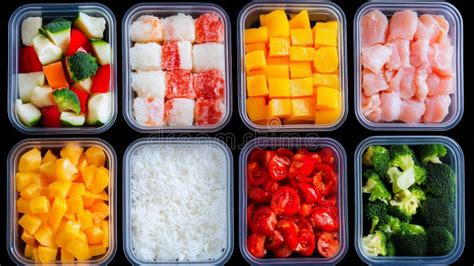
Meal prepping is a game-changer for budget-friendly nutrition. It saves time, reduces food waste, and prevents impulse unhealthy purchases.
- Batch Cooking: Cook large quantities of staples like grains, beans, and roasted vegetables at the beginning of the week.
- Repurpose Leftovers: Transform yesterday’s dinner into today’s lunch or a component of a new meal.
- Freezing: Cooked meals, individual ingredients (like chopped onions or berries), and even blended smoothie packs can be frozen for later use.
Sample Budget-Friendly Meal Ideas
- Breakfast: Oatmeal with frozen berries and a spoonful of peanut butter; scrambled eggs with spinach.
- Lunch: Lentil soup with whole-wheat bread; tuna salad sandwich on whole wheat; leftover chicken and roasted veggies.
- Dinner: Chicken and bean chili; pasta with a homemade tomato sauce and chickpeas; vegetable stir-fry with brown rice and eggs.
- Snacks: Apple with peanut butter; hard-boiled eggs; Greek yogurt; a handful of almonds.
Final Tips for Success
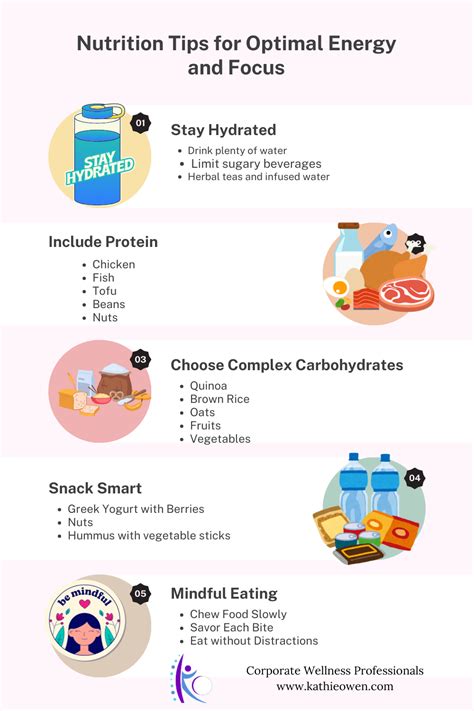
- Stay Hydrated: Water is free and essential for energy and overall health.
- Grow Your Own: Even a small herb garden can save money and add fresh flavor.
- Limit Waste: Learn how to store food properly to extend its shelf life.
- Don’t Be Afraid of “Ugly” Produce: Often sold at a discount, it’s just as nutritious.
Conclusion
Achieving peak energy and building muscle doesn’t have to be an exclusive club for those with deep pockets. By focusing on whole, affordable ingredients, embracing smart shopping habits, and mastering basic meal prep, you can fuel your body effectively and efficiently. It’s about making conscious choices that align with both your health aspirations and your financial reality. Start small, be consistent, and watch your budget and your body thrive.