Embracing the Financial Challenge: A Call to Action
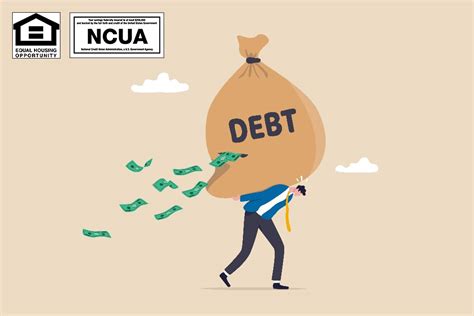
For many men, the journey to financial freedom often involves confronting and conquering two significant hurdles: crippling debt and the elusive goal of lasting wealth. This isn’t just about accumulating money; it’s about securing independence, providing for loved ones, and building a legacy. The path requires discipline, strategic thinking, and a willingness to take aggressive action. Let’s delve into a powerful two-pronged approach to achieve these vital financial objectives.

Phase 1: Aggressive Debt Elimination
The first step towards lasting wealth is liberating yourself from the shackles of debt. High-interest debt, in particular, acts as a relentless drain on your financial resources, making it nearly impossible to save or invest effectively. Here’s how to tackle it head-on:
1. Create a “No-Excuse” Budget and Track Everything
Understanding where every dollar goes is fundamental. Implement a strict budget that clearly outlines your income and expenses. Utilize apps, spreadsheets, or even a pen and paper. Categorize your spending and identify areas where you can drastically cut back. The goal isn’t just to track, but to create a spending plan that prioritizes debt repayment.
2. Choose Your Attack Method: Snowball or Avalanche
- Debt Snowball: List all debts from smallest balance to largest. Pay the minimum on all but the smallest, then aggressively attack the smallest debt until it’s gone. Roll that payment into the next smallest debt. This method provides psychological wins.
- Debt Avalanche: List all debts from highest interest rate to lowest. Pay the minimum on all but the highest interest debt, and throw every extra dollar at it. This method saves the most money on interest. Choose the method that best suits your motivation.
3. Increase Your Income (Aggressively)
While cutting expenses is crucial, increasing your income accelerates debt repayment significantly. Explore side hustles, freelance work, overtime at your current job, or negotiate a raise. Every extra dollar earned should be earmarked for debt until it’s eliminated.

4. Consolidate and Refinance High-Interest Debt
If you have multiple high-interest debts, consider consolidating them into a single loan with a lower interest rate. This can simplify payments and reduce the overall cost of borrowing. However, ensure the terms are truly beneficial and don’t extend your repayment period unnecessarily.
Phase 2: Building Lasting Wealth
Once debt is under control, the focus shifts to accumulating assets and securing your financial future. This phase requires consistency, smart choices, and a long-term perspective.
1. Establish an Emergency Fund
Before investing heavily, build a robust emergency fund. Aim for 3-6 months’ worth of essential living expenses in a readily accessible, high-yield savings account. This acts as a buffer against unexpected events like job loss or medical emergencies, preventing you from falling back into debt.

2. Automate Savings and Investments
The easiest way to save is to make it automatic. Set up automatic transfers from your checking account to your savings and investment accounts on payday. “Pay yourself first” by ensuring money is moved before you have a chance to spend it.
3. Maximize Retirement Accounts Early
Take full advantage of tax-advantaged retirement accounts like your employer’s 401(k) (especially if there’s a company match – that’s free money!), Roth IRAs, and traditional IRAs. Start early to leverage the power of compound interest. Even small contributions made consistently over decades can grow into substantial sums.
4. Diversify Your Investments
Don’t put all your eggs in one basket. Diversify your investment portfolio across various asset classes (stocks, bonds, real estate, mutual funds, ETFs). This helps mitigate risk and can lead to more stable long-term growth. Consider low-cost index funds or target-date funds for a balanced approach.

5. Invest in Yourself: Education and Skills
Your greatest asset is your earning potential. Continuously invest in your skills, education, and professional development. This can lead to career advancement, higher salaries, and new opportunities that accelerate your wealth-building journey.
6. Consider Real Estate (Strategically)
For many, real estate can be a powerful wealth builder, either through homeownership (paying down a mortgage builds equity) or investment properties. Approach real estate with careful research, understanding the commitment and potential risks involved.
Cultivating a Wealth-Building Mindset
Beyond the tactical steps, true financial success hinges on developing the right mindset. This includes patience, discipline, continuous learning, and a long-term perspective. Financial setbacks will happen, but resilience and a commitment to your goals will see you through. Regularly review your financial plan, adjust as life changes, and stay focused on your vision of lasting wealth and financial freedom.

Conclusion: Your Path to Financial Mastery
Aggressively paying down debt and systematically building wealth are not impossible feats for men; they are achievable through deliberate action and unwavering commitment. By embracing a strategic approach to debt elimination, prioritizing smart savings and investments, and cultivating a resilient financial mindset, you can forge a path to genuine financial independence and build a lasting legacy for yourself and your family. Start today, stay disciplined, and watch your financial future transform.