The traditional suit once reigned supreme in the corporate world, but today’s professional landscape often calls for something more adaptable: business casual. This shift can be a sartorial minefield for many men, leading to confusion between ‘casual’ and ‘professional’. The goal isn’t to be underdressed or overly relaxed, but to strike a balance that conveys competence, confidence, and respect without the full formality of a suit. Mastering business casual means understanding how to combine comfort with sophistication, ensuring you always look polished and ready for business.
Defining Business Casual: More Than Just ‘No Tie’
Business casual is not a free pass to wear whatever you want. It’s a dress code that emphasizes neatness, classic styles, and well-maintained garments, offering more flexibility than formal business attire. Think of it as an elevated form of everyday wear, where professionalism remains paramount. It bridges the gap between jeans and a t-shirt and a three-piece suit, allowing for personal expression while maintaining a corporate image.
The Foundation: Fit, Fabric, and Color
Regardless of the specific items, three principles form the bedrock of sharp business casual:
- Fit is King: Ill-fitting clothes, even expensive ones, will always look sloppy. Ensure shirts aren’t baggy, trousers aren’t too long or wide, and jackets conform to your shoulders and torso. A good tailor is your best friend.
- Fabric Matters: Opt for quality natural fibers like cotton, linen, merino wool, and cashmere blends. These fabrics not only look better but also drape well, are more breathable, and stand the test of time. Avoid overly synthetic or shiny materials.
- Strategic Color Palette: Build your wardrobe around a core of versatile neutrals like navy, grey, charcoal, khaki, and white. Introduce accent colors through shirts, ties, or accessories, but keep patterns subtle and professional.
Essential Wardrobe Components for a Sharp Look
Shirts: Beyond the Plain Button-Down
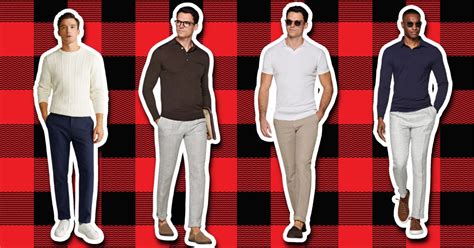
While classic button-down shirts (oxford cloth, poplin, or pinpoint) are a staple, broaden your horizons. Polo shirts, especially those made from fine-gauge merino wool or a crisp piqué cotton, can be excellent for more relaxed business casual settings. Stick to solid colors or subtle patterns like fine stripes or checks. Ensure shirts are always tucked in unless specifically designed to be worn untucked (and even then, exercise caution in formal business environments).
Trousers: Comfort Meets Class
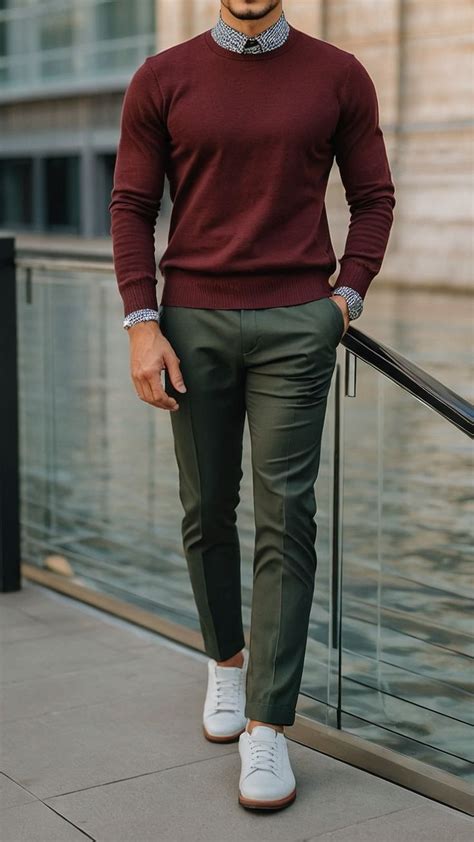
Ditch the distressed denim and embrace smart alternatives. Chinos in neutral colors (khaki, navy, olive, grey) are a cornerstone, offering versatility and comfort. Dress trousers made from wool or a wool blend, even without a matching jacket, elevate your look significantly. Avoid cargo pants or overly casual shorts.
Outerwear: The Polishing Touch
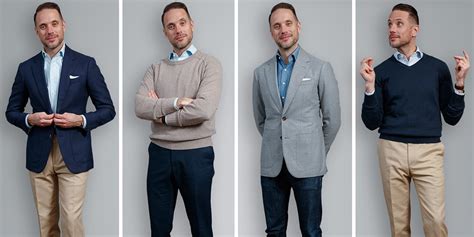
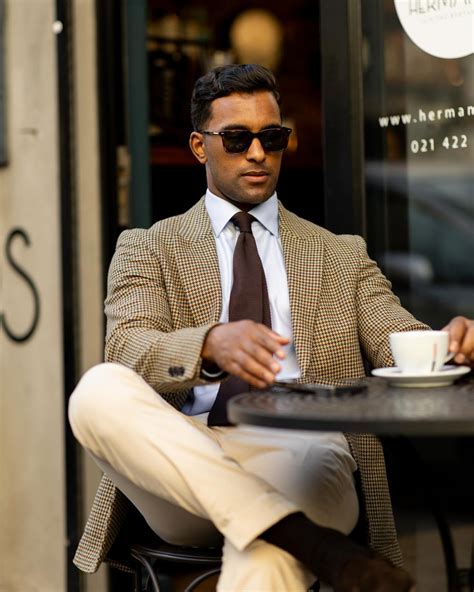
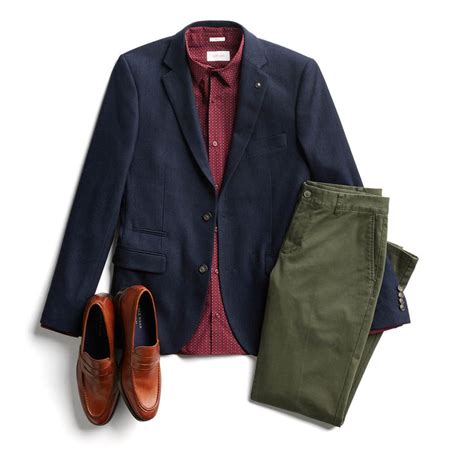
A well-fitting blazer or sport coat is the easiest way to instantly elevate any business casual outfit. Navy blazers are incredibly versatile, but grey, tan, or even subtly patterned sport coats can add personality. Consider unstructured blazers for a more relaxed yet refined aesthetic. A smart trench coat or a clean-cut peacoat can also serve as professional outerwear during colder months.
Footwear: Step Up Your Style
Shoes can make or break an outfit. For business casual, aim for smart leather shoes. Loafers (penny or tassel), brogues, Oxfords, Derbies, and Chelsea boots are all excellent choices. Keep them clean and polished. Avoid sneakers, flip-flops, or overly casual sandals, even if your workplace is very relaxed.
Accessories: The Devil’s in the Details
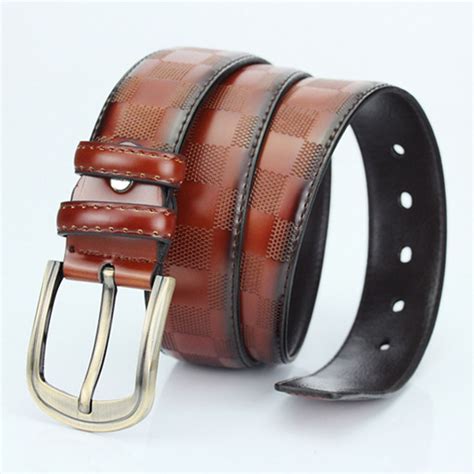
Thoughtful accessories pull an outfit together. A quality leather belt that matches your shoes is crucial. A sophisticated watch (leather strap or metal bracelet) adds a touch of class. Pocket squares can introduce color and personality to a blazer. Ties are optional but can be a great way to add formality when needed, particularly in more client-facing roles.
Crafting Cohesive Outfits
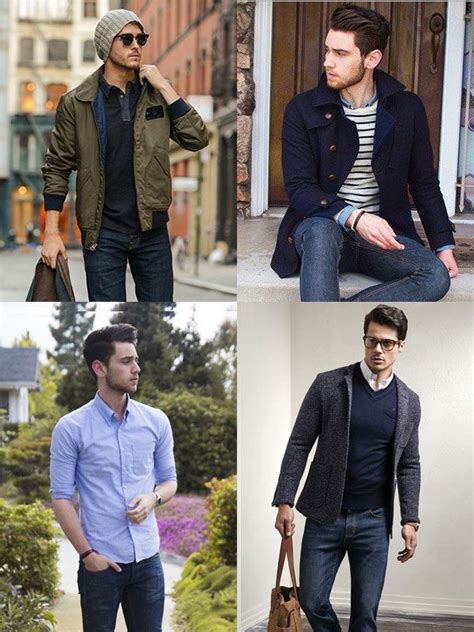
The key to dressing sharp in business casual is to create balanced ensembles. A common and effective combination is a crisp button-down shirt, well-fitting chinos, a navy blazer, and leather loafers. For a slightly more relaxed take, pair a fine-gauge merino polo with wool dress trousers and Derbies. Don’t be afraid to experiment with layering; a thin v-neck sweater over a collared shirt adds warmth and dimension.
Common Business Casual Blunders to Avoid
- Too Casual: T-shirts (unless part of a very specific, curated look under a blazer), hoodies, distressed jeans, athletic wear.
- Too Formal: Full three-piece suits (unless you remove the vest and potentially swap trousers).
- Wrinkled Clothes: Always ensure your clothes are clean, pressed, and in good repair.
- Poor Footwear Choices: Sneakers, sandals, or dirty shoes.
- Loud Patterns or Graphics: Keep patterns subtle and avoid large logos.
Mastering Your Style
Business casual is about intentionality. Each piece you wear should be clean, fit well, and contribute to a professional yet approachable aesthetic. By investing in quality basics, understanding the principles of fit and fabric, and paying attention to the details, any man can confidently navigate the business casual landscape and project an image of sharpness and professionalism without the traditional suit.