Business casual can be a minefield for men. The goal is to strike a balance: professional enough for the office, comfortable enough for daily wear, and stylish enough to make an impression without resorting to a full suit. The common pitfalls are looking too stiff and corporate (stuffy) or too uninspired and safe (bland). But with a few strategic choices and an understanding of the underlying principles, you can master business casual with confidence and flair.
Understanding the Business Casual Spectrum
Before diving into specific garments, it’s crucial to understand that “business casual” isn’t a single, fixed dress code. It varies significantly by industry, company culture, and even geographic location. Generally, it falls between formal business attire (suits) and casual wear (t-shirts, shorts). The sweet spot involves elevated essentials that are versatile and can be mixed and matched.
The Foundation: Blazers and Sport Coats
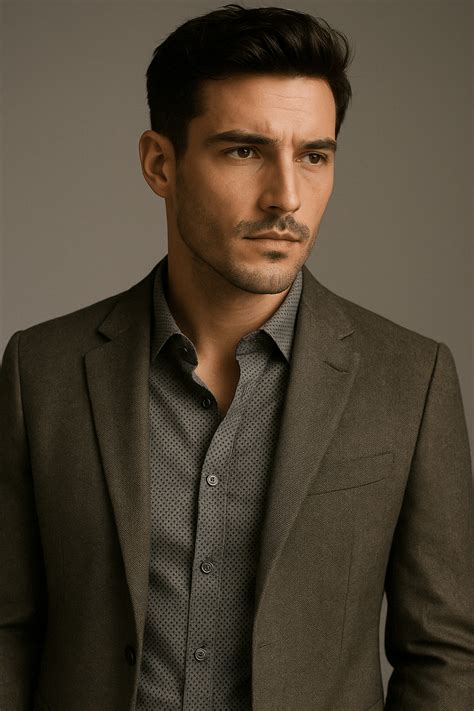
A well-fitting blazer or sport coat is the cornerstone of a sharp business casual wardrobe. Unlike a suit jacket, a sport coat is designed to be worn with different trousers and often features more texture and pattern. Opt for materials like wool, tweed, linen, or cotton in versatile colors such as navy, charcoal, olive green, or a subtle check pattern. Ensure the fit is impeccable: shoulders should align, sleeves should hit the wrist bone, and the jacket should button comfortably without pulling.

Smart Shirts for Every Occasion
Move beyond plain white and light blue dress shirts. While essential, business casual allows for more personality. Explore:
- Button-Down Shirts: Oxford cloth button-downs (OCBDs) are timeless. Consider options in subtle patterns like stripes, gingham, or fine checks.
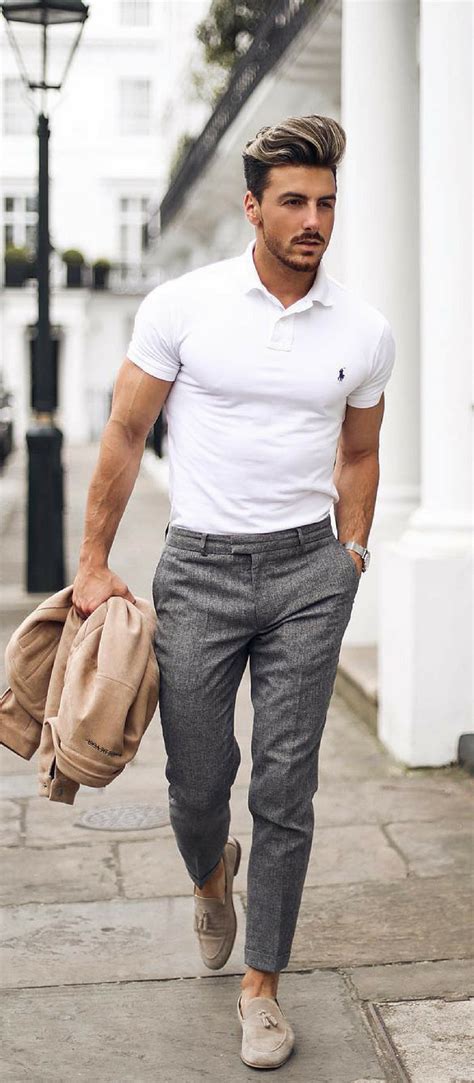
- Polos: A well-fitted, high-quality polo shirt in a fine knit (e.g., merino wool or pima cotton) can look incredibly sharp, especially when worn under a blazer. Avoid overly casual pique polos with large logos.
- Knitwear: Fine-gauge sweaters (V-neck, crew neck, or cardigan) layered over a collared shirt add warmth and sophistication.
Trousers That Impress
Ditch the baggy khakis. Your choice of trousers can make or break a business casual outfit.
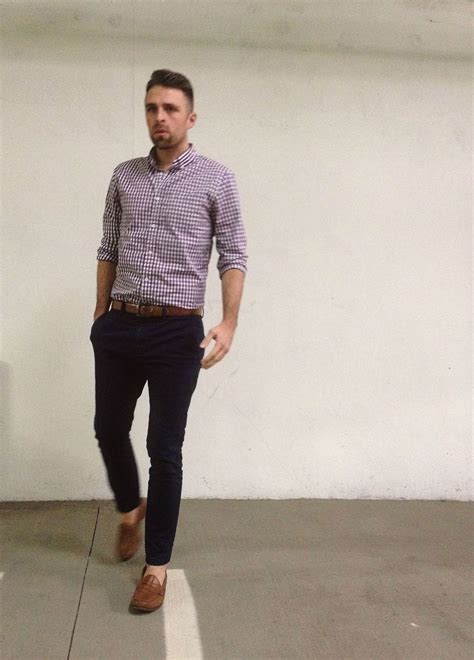
- Chinos: A modern, slim-fit chino in colors like navy, olive, grey, or tan is a staple. Ensure they’re not too tight or too loose, and the length is just right (slight break or no break).
- Dress Trousers: Wool dress trousers, even without a matching jacket, elevate your look. Focus on flat-front styles in charcoal, medium grey, or navy.
- Dark Wash Jeans: In some relaxed business casual environments, a dark, well-fitting, clean pair of jeans (without distressing) can be acceptable, especially when paired with a blazer. Know your office culture before attempting this.
Footwear: The Groundwork of Your Style
Never underestimate the power of good shoes.
- Loafers: Penny loafers, bit loafers, or tassel loafers in leather or suede are excellent choices.
- Derbies & Oxfords: While traditionally formal, cap-toe or plain-toe derbies and Oxfords in brown or black leather seamlessly transition to business casual.
- Chelsea Boots: A sleek leather or suede Chelsea boot adds a touch of modern sophistication.
- Stylish Sneakers: Only in very relaxed settings, and only pristine, minimalist leather sneakers (e.g., white or tan) are acceptable. Avoid athletic sneakers.
Accessorize Thoughtfully
Accessories are where you can inject personality without being flashy.
- Belts: Always match your belt to your shoes (color and material). A simple leather belt is usually best.
- Watches: A classic analog watch with a leather strap or a subtle metal bracelet elevates any look.
- Pocket Squares: A pocket square in a complementary color or pattern can add a subtle pop to your blazer.
- Ties: Generally not required for business casual, but a knit tie or a more casual silk tie can be used to dress up an outfit for specific meetings.
The Unsung Heroes: Fit and Fabric
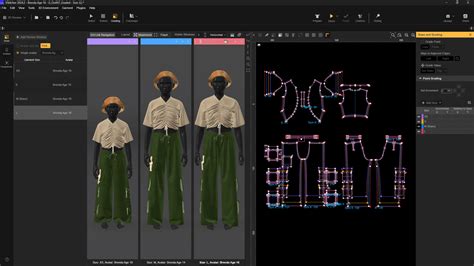
Even the most expensive clothes look bad if they don’t fit well. Tailoring is your best friend. A good fit means clothing skims your body without being too tight or baggy. Similarly, fabric quality makes a huge difference. Opt for natural fibers like cotton, wool, linen, and cashmere – they drape better, breathe well, and generally look more luxurious than synthetics.
Color, Pattern, and Texture
To avoid blandness, play with color, pattern, and texture.
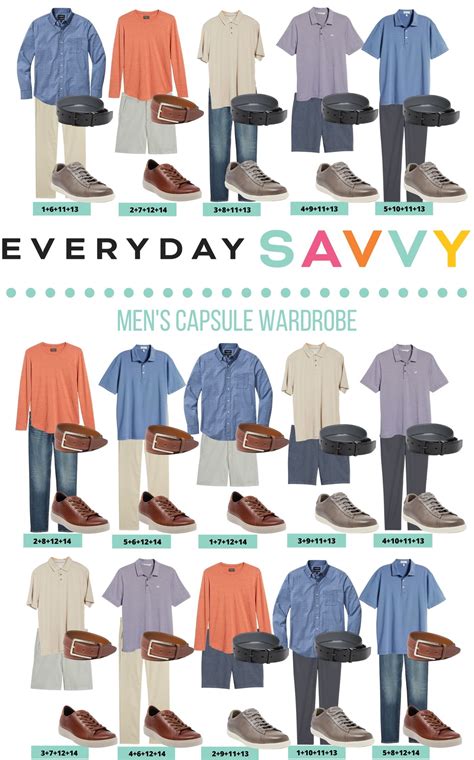
- Colors: Build a core wardrobe of neutrals (navy, grey, white, tan) and then add pops of color with shirts, sweaters, or pocket squares (e.g., burgundy, forest green, burnt orange).
- Patterns: Introduce subtle patterns like checks, stripes, or small florals in shirts or blazers. Be careful not to clash too many patterns.
- Textures: This is key to avoiding stuffiness. A tweed blazer, a chambray shirt, a knit tie, or a pair of suede loafers add visual interest and depth to an outfit.
Key Takeaways for Sharp Business Casual
Mastering business casual means being intentional with your choices. It’s about combining comfort with polish, and functionality with style. Invest in well-fitting, quality pieces, understand your workplace culture, and don’t be afraid to experiment with combinations of colors, patterns, and textures. With these guidelines, you’ll be able to dress sharply and confidently, making a professional statement without ever looking stuffy or bland.