Fueling Your Day on a Dime: The Power of Budget-Friendly Meal Prep
In today’s fast-paced world, maintaining high energy levels for demanding work schedules and consistent fitness routines is a constant challenge. All too often, convenience foods become the go-to, leading to energy crashes, nutrient deficiencies, and a significant dent in your wallet. The good news? You don’t need a gourmet chef or an unlimited budget to eat well and sustain peak performance. Budget-friendly meal prep is your secret weapon, allowing you to curate nutritious, energy-boosting meals that support both your professional life and your fitness goals.
This article will guide you through the principles of smart meal planning and provide actionable strategies to ensure your body is always optimally fueled.
Why Meal Prep is Your Energy & Wallet Ally
Meal preparation isn’t just a trend; it’s a strategic approach to nutrition that offers undeniable benefits. For energy, it ensures you have consistent access to balanced meals, preventing the blood sugar spikes and crashes associated with irregular eating or poor food choices. For your budget, it eliminates impulsive, expensive takeout orders and reduces food waste by utilizing ingredients efficiently. By cooking in batches, you save time during your busy week and gain control over your ingredients, portions, and macronutrient balance, directly impacting your energy levels and overall well-being.
The Essential Components of Energy-Sustaining Meals
To keep your engine running smoothly, your meals need a strategic combination of macronutrients. Here’s what to prioritize:
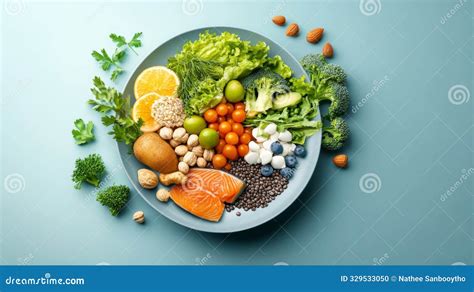
- Complex Carbohydrates: These are your body’s primary and most efficient source of sustained energy. Think whole grains like brown rice, oats, quinoa, and whole wheat pasta, as well as starchy vegetables such as sweet potatoes and butternut squash. They release glucose slowly, preventing energy dips.
- Lean Proteins: Essential for muscle repair, growth, and satiety, protein helps stabilize blood sugar and keeps you feeling full longer. Excellent budget-friendly sources include chicken breast, eggs, legumes (beans, lentils), canned tuna, and plain Greek yogurt.
- Healthy Fats: While often misunderstood, healthy fats are crucial for hormone production, nutrient absorption, and long-lasting energy. Avocado, nuts, seeds (chia, flax), and olive oil are great choices.
- Fibre & Micronutrients: Fruits and vegetables are packed with vitamins, minerals, and fibre, all vital for metabolic function and sustained energy. Fibre also aids digestion and contributes to satiety.
Budget-Friendly Fuel Sources for Smart Prep
Eating healthily doesn’t have to be expensive. Focus on these cost-effective staples:
- Carbohydrates: Oats, brown rice, whole wheat pasta, potatoes, sweet potatoes, lentils, black beans, chickpeas. Buying in bulk often saves money.
- Proteins: Chicken thighs (often cheaper than breasts), eggs, canned tuna/salmon, frozen edamame, lentils, dried beans (cooked from scratch).
- Healthy Fats: Olive oil, peanut butter, sunflower seeds, pumpkin seeds, a whole avocado when on sale.
- Fruits & Vegetables: Prioritize seasonal produce, frozen fruits (for smoothies) and vegetables (broccoli, spinach, mixed veggies) which are often cheaper and just as nutritious.
Practical Meal Prep Strategies for Success
Maximizing your time and money requires a smart approach to meal prepping:
- Plan Your Menu: Dedicate an hour each week to plan your meals, incorporating versatile ingredients that can be used in multiple dishes.
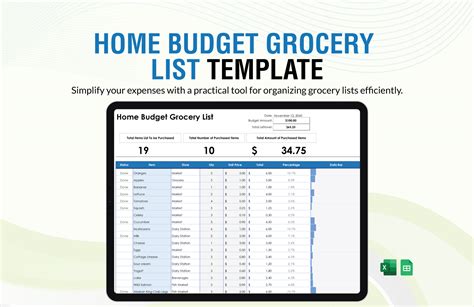
- Smart Shopping: Create a detailed grocery list based on your menu. Stick to it! Shop sales, buy in bulk when practical (e.g., rice, oats, dried beans), and consider generic brands.
- Batch Cooking: Cook large quantities of staple ingredients (e.g., a big batch of brown rice, roasted chicken, hard-boiled eggs, or steamed vegetables) that can be mixed and matched throughout the week.
- Efficient Cooking: Use cooking methods that require minimal oversight, like slow cookers for stews or chili, or sheet pan meals for roasting proteins and vegetables together.
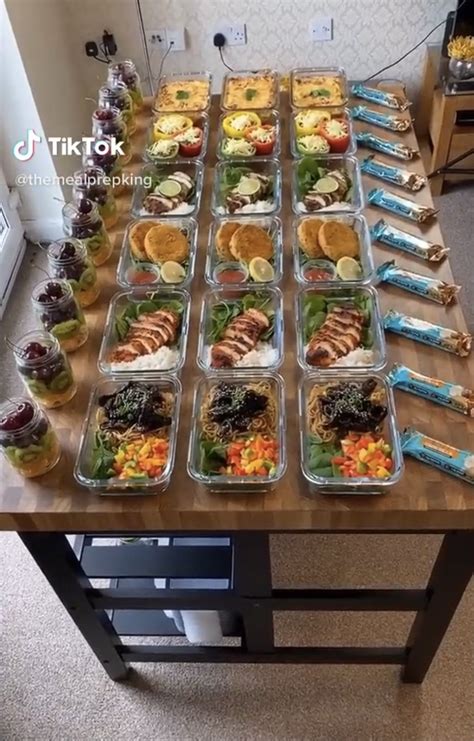
- Proper Storage: Invest in good quality, airtight containers to keep food fresh. Label and date your meals to avoid waste. Most prepped meals last 3-4 days in the refrigerator or can be frozen for longer storage.

Sample Budget-Friendly Meal Prep Ideas
- Breakfast: Overnight oats with frozen berries and a scoop of protein powder; egg muffins with spinach and leftover veggies.
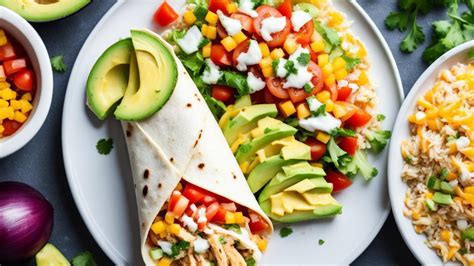
- Lunch: Lentil soup with whole-wheat bread; chicken and veggie stir-fry with brown rice; bean and cheese burritos (wrap and freeze).
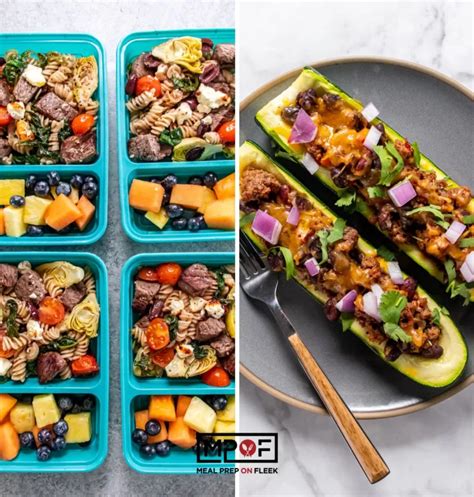
- Dinner: Sheet pan sausage (or chickpeas) and roasted vegetables; turkey chili; pasta salad with chickpeas, olives, and fresh vegetables.
- Snacks: Hard-boiled eggs, apples with peanut butter, a handful of almonds, Greek yogurt.
Conclusion: Fuel Your Potential
Budget-friendly meal prep is more than just cooking ahead; it’s an investment in your energy, health, and financial well-being. By taking a proactive approach to your nutrition, you empower yourself to conquer work deadlines, smash fitness goals, and live a more vibrant, energized life without the stress of constant decision-making or financial strain. Start small, experiment with recipes, and discover the profound impact that consistent, well-planned meals can have on your overall performance and happiness.