The Perennial Dilemma for Wealth Building
For many men striving for financial independence and long-term security, a core question often emerges: Should I focus all my energy on paying down debt, or should I allocate funds to investing? Both strategies have compelling arguments, and the optimal path isn’t always clear-cut. Understanding the nuances of each approach is crucial for making informed decisions that align with your personal financial goals and risk tolerance.
The Case for Crushing Debt First
Aggressively paying down debt, especially high-interest debt like credit card balances or personal loans, can be one of the most effective ‘investments’ you can make. The interest rate you avoid by paying off debt is a guaranteed return, often higher than what you might achieve in many low-risk investments. Eliminating debt also reduces financial stress, frees up cash flow, and improves your credit score, paving the way for better rates on future loans like mortgages or car financing.
For individuals with substantial consumer debt, prioritizing repayment can create a strong financial foundation, offering a sense of stability and control that is invaluable. It’s akin to clearing obstacles before building a skyscraper; a solid, debt-free base makes future growth more secure and less vulnerable to economic downturns.

The Power of Early Investing
On the other side of the coin is investing. The magic of compound interest, where your earnings generate their own earnings, is a powerful force for wealth creation over time. Starting early allows your money more time to grow, often dramatically outpacing what late starters can achieve, even with larger contributions.
Investing in diversified portfolios, retirement accounts (like 401(k)s or IRAs), and other assets can provide significant returns that debt repayment simply cannot. While debt elimination saves you money, investing actively grows your capital. For men looking to build substantial long-term wealth for retirement, a down payment on a house, or generational wealth, consistent and early investing is non-negotiable.

Finding the Balance: A Hybrid Approach
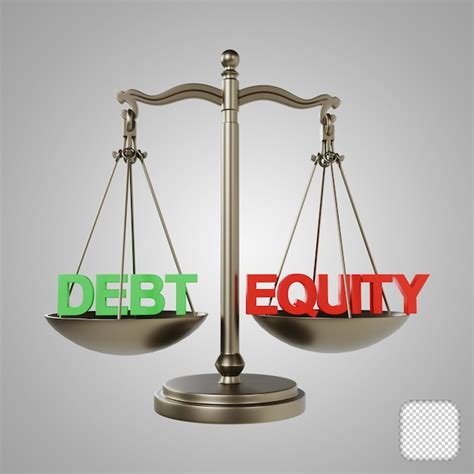
Often, the most effective strategy isn’t an either/or but a combination of both. A common approach is to tackle high-interest debt aggressively while simultaneously making at least minimum contributions to retirement accounts, especially if there’s an employer match. An employer match is free money and should almost always be taken advantage of, as it provides an immediate, guaranteed return on your investment.
Once high-interest debt is eliminated, you can then funnel those freed-up funds into more robust investment strategies. This hybrid approach ensures you’re not missing out entirely on the power of compounding while also systematically reducing costly liabilities. It requires discipline but offers the best of both worlds.
Factors Influencing the Decision
Several personal factors should influence your decision:
- Interest Rates: High-interest debt (e.g., credit cards at 18%+) should generally be prioritized over investments yielding average market returns (e.g., 7-10%). Lower-interest debt (e.g., mortgages at 4%) can often be managed alongside aggressive investing.
- Risk Tolerance: Some individuals prefer the certainty of eliminating debt, while others are comfortable taking on market risk for potentially higher returns.
- Financial Goals: Are you saving for a short-term goal or long-term retirement? This will impact your investment horizon and strategy.
- Emergency Fund: Before tackling either aggressively, ensure you have a robust emergency fund (3-6 months of living expenses) to prevent new debt from forming during unexpected events.

Personalized Strategy for Wealth Acceleration
Ultimately, there’s no universal answer to which financial move helps men build wealth faster. The optimal strategy is deeply personal, dependent on your current financial situation, the types of debt you hold, your income, and your long-term objectives. A thoughtful assessment of these factors, possibly with the guidance of a financial advisor, will help you craft a personalized plan. Prioritize eliminating high-cost debt, then commit to consistent, diversified investing. This dual approach often proves to be the most reliable and accelerated path to substantial wealth over time.