
Fueling the Modern Man: Strategies for Peak Energy
In today’s fast-paced world, men often juggle demanding professional lives with rigorous fitness routines. This dual challenge requires an optimal nutritional strategy to ensure sustained energy, mental clarity, and physical resilience. The right fuel isn’t just about avoiding hunger; it’s about optimizing every system in the body to perform at its peak, from the boardroom to the weight room.
Understanding what constitutes the ‘best fuel’ goes beyond a single food item; it encompasses a holistic approach to macronutrients, micronutrients, hydration, and meal timing.
The Cornerstone: Macronutrients for Sustained Energy
Complex Carbohydrates: The Primary Energy Source
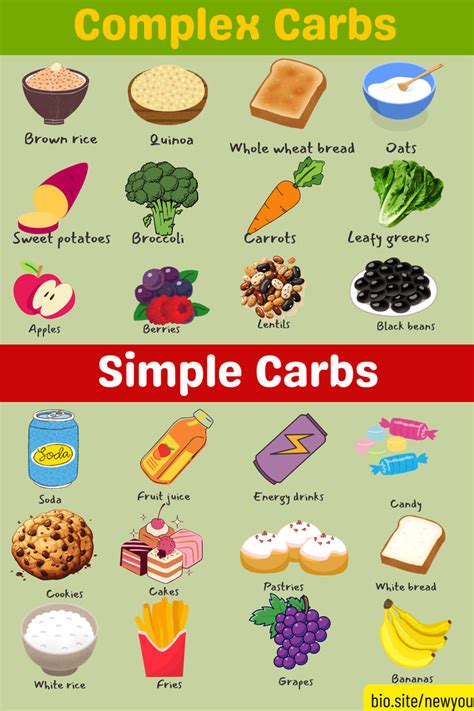
Carbohydrates are the body’s preferred fuel source, particularly crucial for brain function and muscle activity. For sustained energy, focus on complex carbohydrates, which are digested slowly, providing a steady release of glucose into the bloodstream, preventing energy spikes and crashes.
- Sources: Whole grains (oats, brown rice, quinoa, whole-wheat bread), sweet potatoes, legumes, fruits, and vegetables.
- Benefits: Stable blood sugar, sustained energy for prolonged mental and physical tasks, and essential fiber for digestive health.
Lean Proteins: Muscle Repair and Satiety
Protein is vital for muscle repair and growth, especially after gym sessions. It also contributes to satiety, helping to manage hunger and prevent overeating. Incorporating protein throughout the day helps stabilize blood sugar and provides a steady source of energy.
- Sources: Chicken breast, turkey, lean beef, fish (salmon, tuna), eggs, Greek yogurt, cottage cheese, lentils, beans, tofu.
- Benefits: Supports muscle maintenance and growth, enhances recovery, and promotes feelings of fullness, reducing cravings.
Healthy Fats: Hormonal Balance and Long-Term Energy
Don’t fear fats! Healthy fats are essential for hormone production, nutrient absorption (especially fat-soluble vitamins A, D, E, K), and providing a dense source of long-term energy. They also contribute to satiety and brain health.
- Sources: Avocados, nuts (almonds, walnuts), seeds (chia, flax, pumpkin), olive oil, fatty fish.
- Benefits: Supports hormonal health, provides sustained energy, and aids in cognitive function.
Beyond Macros: Micronutrients and Hydration
Vitamins and Minerals: The Unsung Heroes
While macronutrients provide the bulk energy, micronutrients (vitamins and minerals) are critical for converting food into energy, supporting immune function, and overall well-being. B vitamins, magnesium, iron, and zinc are particularly important for energy metabolism.
- Sources: A wide variety of fruits, vegetables, whole grains, and lean proteins ensures adequate micronutrient intake.
- Consideration: A quality multivitamin can act as an insurance policy, but whole foods should always be the priority.
Hydration: The Often-Overlooked Energy Booster
Dehydration, even mild, can significantly impair physical performance and cognitive function, leading to fatigue and reduced concentration. Water is involved in every bodily process, including nutrient transport and temperature regulation.
- Goal: Aim for at least 8-10 glasses of water daily, more if you’re highly active or in a hot environment.
- Tips: Keep a water bottle handy, drink water before feeling thirsty, and consider electrolyte-rich fluids during intense workouts.

Strategic Fueling: Timing and Meal Structure
Breakfast: Kickstarting Your Metabolism
Starting the day with a balanced meal sets the stage for sustained energy. Opt for a mix of complex carbs, lean protein, and healthy fats.
Example: Oatmeal with berries and nuts, or scrambled eggs with whole-wheat toast and avocado.
Pre-Work/Pre-Gym Fuel: Optimizing Performance
Before demanding work tasks or a gym session, a small, easily digestible meal can provide the necessary energy without causing sluggishness.
Example: A banana with a handful of almonds, or a rice cake with peanut butter, consumed 30-60 minutes prior.
Post-Work/Post-Gym Recovery: Replenishing and Rebuilding
Within an hour of intense activity, consume a meal rich in protein and complex carbohydrates to replenish glycogen stores and initiate muscle repair.
Example: Grilled chicken with sweet potato and vegetables, or a protein shake with fruit.
Smart Snacking: Bridging the Gaps
Strategic snacking prevents extreme hunger and energy dips between main meals. Focus on nutrient-dense options.
Example: Greek yogurt, a piece of fruit, a handful of mixed nuts, or vegetable sticks with hummus.

The Role of Smart Supplementation
While whole foods should form the foundation of your diet, certain supplements can complement your efforts:
- Creatine: Enhances strength and power in short bursts of activity.
- Whey Protein: Convenient source of high-quality protein for muscle repair.
- Omega-3 Fatty Acids: Supports brain health and reduces inflammation.
- Vitamin D: Essential for bone health, immune function, and mood.
Always consult with a healthcare professional or registered dietitian before starting any new supplement regimen.

Lifestyle Factors for Energy Optimization
Beyond diet, critical lifestyle factors significantly impact energy levels:
- Adequate Sleep: Aim for 7-9 hours of quality sleep per night for optimal recovery and cognitive function.
- Stress Management: Chronic stress can deplete energy reserves. Incorporate stress-reducing activities like meditation, yoga, or hobbies.
- Consistency: Regular exercise, even on rest days, helps improve circulation and energy levels.

Conclusion
The best fuel for men to maintain high energy for both work and the gym is not a magic pill or a single superfood, but a well-orchestrated symphony of balanced nutrition and healthy lifestyle choices. By prioritizing complex carbohydrates, lean proteins, healthy fats, ample hydration, and crucial micronutrients, coupled with strategic meal timing and sufficient rest, men can unlock their full potential, ensuring sustained energy, mental sharpness, and physical prowess throughout their demanding days.