Why Your Wardrobe is Your Investment in Finance
In the high-stakes arena of finance, perception is often as critical as performance. From client meetings to boardroom presentations, every interaction is an opportunity to build trust, establish credibility, and exude authority. While your financial acumen and analytical skills are paramount, the visual cues you present can significantly amplify or diminish their impact. Strategic style choices are not mere superficialities; they are a vital component of your professional arsenal, directly influencing how you are perceived and, crucially, how confident you feel in your demanding role.
Dressing well in finance isn’t about chasing trends; it’s about mastering a timeless, polished aesthetic that communicates professionalism, reliability, and success. When you look the part, you naturally feel more empowered to act the part. This internal shift in confidence translates into stronger negotiation skills, more persuasive presentations, and a greater sense of self-assurance when navigating complex financial landscapes. Let’s delve into the specific style choices that can become your greatest allies in boosting confidence within finance roles.
The Foundation: Impeccable Professional Attire
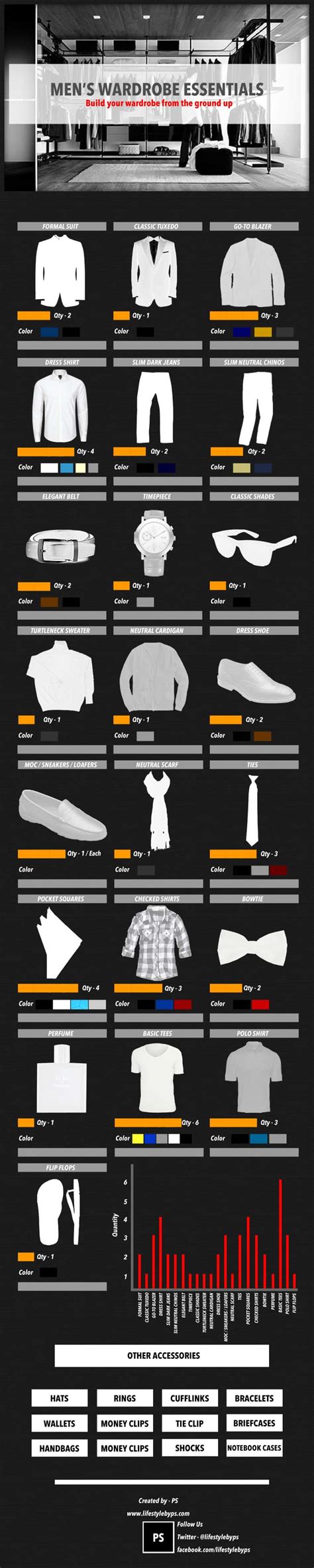
The cornerstone of confident finance style is well-chosen, high-quality attire. For men, this typically means a well-tailored suit – dark navy, charcoal grey, or black are classic, authoritative choices. The fit is paramount; a suit that hangs poorly can undermine even the most brilliant mind. Invest in professional tailoring to ensure jackets sit perfectly on the shoulders, sleeves show a quarter-inch of shirt cuff, and trousers have the right break. High-quality fabrics like wool communicate sophistication and longevity.
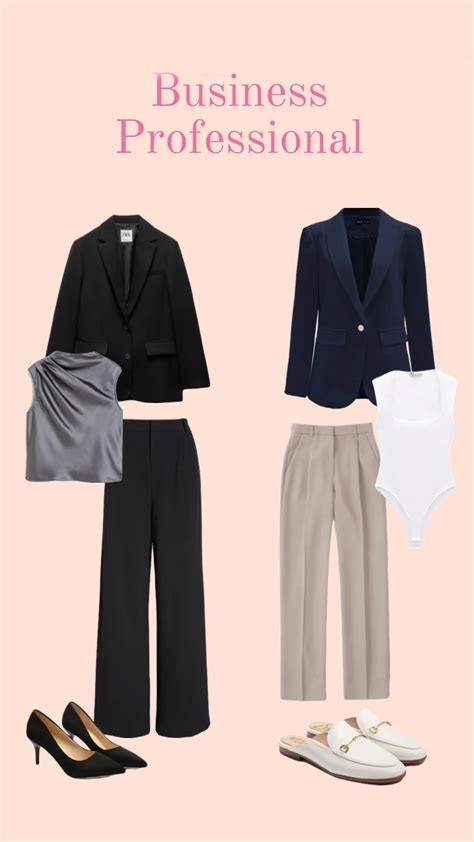
For women, the options are broader but the principles remain the same: crisp, tailored professionalism. This can include a perfectly fitted suit (skirt or pant), sharp blazers paired with tailored trousers or skirts, and sophisticated sheath dresses. Choose fabrics that drape well and resist wrinkling, and opt for classic silhouettes over overly trendy ones. The goal is to project a serious, capable image that commands respect without being distracting.
Strategic Color Choices and Subtle Details
Colors play a significant psychological role. Beyond the traditional dark neutrals, strategic use of certain colors can enhance your message. Blues (especially navy) convey trustworthiness, stability, and intelligence – ideal for client-facing roles. Grays suggest sophistication and neutrality. While reds can indicate power, they should be used sparingly as accents (e.g., a tie, a scarf) rather than a primary color, to avoid appearing overly aggressive. Avoid overly bright or distracting patterns that can detract from your message.
Pay close attention to the details: a crisp, well-ironed shirt or blouse is non-negotiable. Ties should be silk, appropriately knotted, and conservative in pattern. Footwear must be polished, high-quality, and comfortable – discomfort can noticeably impact your demeanor. For women, classic pumps or sophisticated flats are appropriate, ensuring they are always clean and in good repair. These small details collectively contribute to an overall impression of meticulousness and attention to detail, qualities highly valued in finance.

The Non-Negotiables: Grooming and Accessories
No matter how expensive your suit, poor grooming can instantly erode your professional image and, consequently, your confidence. Hair should be neat, clean, and styled appropriately for a professional environment. Facial hair, if worn, must be meticulously trimmed and maintained. Fresh breath and subtle fragrance are also critical. Hands and nails should always be clean and well-kept. These are not minor points; they are foundational to presenting a polished, put-together self.
Accessories should be refined and understated. For men, a quality watch, a classic belt, and perhaps subtle cuff links are sufficient. For women, a sophisticated handbag, a tasteful watch, and minimalist jewelry can complete an outfit without overpowering it. The key is quality over quantity; a few well-chosen, elegant pieces speak volumes more than a multitude of cheap or flashy items. Your accessories should enhance your professional image, not distract from it.

Beyond the Clothes: The Mindset of Confidence
While clothing and grooming lay the groundwork, true confidence in finance roles also stems from how you carry yourself. Good posture – standing tall, shoulders back, head held high – instantly communicates assertiveness and self-assurance. Maintain eye contact, offer a firm handshake, and speak with clarity and conviction. Your body language can be just as impactful as your words, reinforcing the confident image your style choices have helped to create.
Ultimately, the goal of strategic style in finance is not to create a façade, but to align your external presentation with your internal capabilities. When you invest in your professional appearance, you’re not just dressing for others; you’re dressing for yourself. You’re signaling to your own mind that you are prepared, capable, and deserving of success. This self-affirmation is the true secret weapon that transforms good style into undeniable confidence.

Conclusion: Dress for the Role You Want
First impressions in finance are not just fleeting moments; they are building blocks for long-term relationships and career progression. By consciously selecting attire that is well-fitting, high-quality, and professionally appropriate, coupled with impeccable grooming and subtle, elegant accessories, finance professionals can significantly boost their internal confidence. This external polish, in turn, empowers them to perform at their best, influencing perceptions and opening doors to greater opportunities. Invest in your professional image; it’s an investment that pays dividends in confidence, credibility, and career success.