
The Cornerstone of Connection: Why Communication Matters
In any relationship, effective communication isn’t just a skill; it’s the lifeblood that nurtures understanding, strengthens bonds, and resolves conflict. For men, honing these skills can profoundly impact the depth and satisfaction of their partnerships. It’s about more than just talking; it’s about truly hearing, empathizing, and responding in ways that foster connection rather than distance. Understanding your partner’s needs requires a conscious, consistent effort to tune into their world.

Mastering Active Listening: The Art of True Hearing
One of the most powerful tools in better communication is active listening. This isn’t just about waiting for your turn to speak; it’s about fully focusing on what your partner is saying, both verbally and non-verbally, without judgment or interruption. It means putting aside your own agenda, thoughts, and potential responses for a moment to truly absorb their message.
Tips for Active Listening:
- Give Undivided Attention: Put away distractions like phones or the TV. Make eye contact and show with your body language that you are engaged.
- Refrain from Interrupting: Let your partner finish their thoughts completely, even if you think you know where they’re going or disagree.
- Paraphrase and Reflect: After they’ve spoken, summarize what you heard in your own words. For example, “So, what I hear you saying is…” This confirms understanding and shows you were listening.
- Ask Clarifying Questions: If something is unclear, ask open-ended questions to gain more insight, such as “Can you tell me more about that?” or “How did that make you feel?”
Speaking Your Truth Clearly and Respectfully
Just as important as listening is the ability to express your own thoughts, feelings, and needs clearly and respectfully. Many communication breakdowns occur because intentions are misunderstood or messages are delivered in a way that triggers defensiveness rather than understanding.
Effective Expression Strategies:
- Use “I” Statements: Instead of accusatory “You always…” statements, frame your feelings around your own experience. For example, “I feel overwhelmed when…” rather than “You always make me feel overwhelmed.”
- Choose the Right Time and Place: Avoid sensitive discussions when either of you is stressed, tired, or in a rush. Find a calm, private moment.
- Be Specific, Not Vague: Clearly articulate what you mean and what you need. Vague complaints are harder to address.
- Focus on One Issue at a Time: Don’t bring up a laundry list of past grievances during a single conversation. Address one concern thoroughly before moving on.

Decoding Emotional Needs and Non-Verbal Cues
Understanding a partner’s needs often goes beyond the explicit words they use. Emotions can be complex, and unspoken cues provide a wealth of information. Developing emotional intelligence means being able to recognize and respond to these nuances.
Cultivating Emotional Understanding:
- Observe Body Language: Pay attention to facial expressions, posture, and gestures. Are they tense, withdrawn, or open?
- Notice Tone of Voice: The way something is said can be as important as what is said. A flat tone, a sigh, or a raised voice all convey meaning.
- Validate Feelings: Even if you don’t agree with their perspective, acknowledge and validate their emotions. “I can see why you’re feeling frustrated right now” can de-escalate tension and show empathy.
- Ask About Feelings: Directly ask, “How are you feeling about this?” or “What’s going on for you right now?” This creates an opening for them to share.

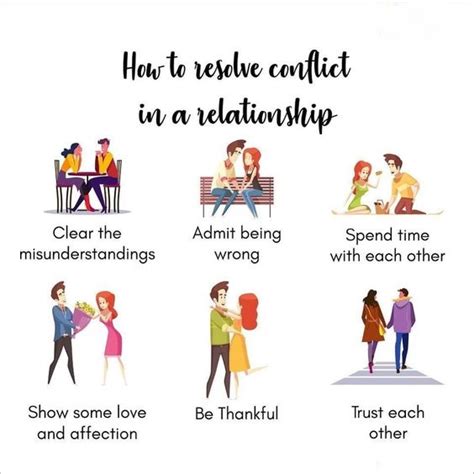
Navigating Conflict with Empathy and Respect
Conflict is an inevitable part of any relationship, but how it’s handled determines whether it strengthens or weakens the bond. Approaching disagreements with a desire for mutual understanding rather than winning is key.
Constructive Conflict Resolution:
- Take a Break if Needed: If emotions run too high, suggest taking a 20-30 minute break to calm down before resuming the discussion.
- Focus on the Problem, Not the Person: Criticize behaviors or situations, not your partner’s character.
- Seek Common Ground: Look for areas where you both agree or for solutions that address both your needs. Compromise is essential.
- Be Willing to Apologize: If you’ve made a mistake or caused hurt, offer a sincere apology. It’s not about being “right”; it’s about healing the relationship.
Consistency, Effort, and Continuous Learning
Improving communication and understanding is not a one-time fix but an ongoing journey. It requires consistent effort, self-awareness, and a genuine desire to grow with your partner. Relationships evolve, and so too should your communication strategies.
Sustaining Connection:
- Regular Check-ins: Dedicate time for regular, open conversations about your relationship, not just daily logistics.
- Learn Their Love Language: Understand how your partner prefers to receive and express love (words of affirmation, quality time, receiving gifts, acts of service, physical touch).
- Be Patient: Both with yourself and your partner. Habits take time to change.
- Seek External Help if Needed: If you’re consistently struggling, don’t hesitate to consider couples counseling. A professional can provide tools and facilitate difficult conversations.

Building Stronger Bonds Through Better Communication
For men, embracing the challenge of better communication and deeper understanding of their partner’s needs is an investment in the health and longevity of their relationships. It fosters intimacy, trust, and mutual respect, leading to a more fulfilling partnership for both individuals. By practicing active listening, clear expression, emotional intelligence, and constructive conflict resolution, men can transform their relationships into spaces of genuine connection and unwavering support.