Understanding the Grip of Inertia
We’ve all been there: staring down a challenging task, whether it’s a grueling workout session or a daunting review of personal finances, and feeling an invisible force holding us back. This isn’t laziness; it’s often the powerful psychological phenomenon of inertia. Inertia, in this context, is the tendency to remain in a state of rest or to continue in a state of motion, unless acted upon by an external force. For us, that ‘rest’ means avoiding the task, and the ‘external force’ is the will and strategy to begin.
The brain, wired for efficiency and avoiding perceived discomfort, often resists activities that require significant effort, decision-making, or confrontation with uncomfortable truths. Starting is the hardest part because it demands overcoming this initial resistance, pushing past the comfort of the familiar (or the avoided).

The Power of the Micro-Commitment
One of the most effective ways to combat inertia is through the concept of the ‘micro-commitment’ or ‘tiny habits’. Instead of focusing on the entire monumental task, break it down into the absolute smallest possible first step.
- For Workouts: Instead of thinking, “I need to do an hour-long HIIT session,” commit to putting on your workout clothes, or just doing 5 minutes of stretching. Often, once you’ve taken that tiny first step, the momentum builds, and the full workout becomes less intimidating.
- For Finances: Instead of, “I need to review all my accounts and create a budget,” commit to opening your banking app, or just looking at one statement for 10 minutes. The goal isn’t to finish the task, but merely to start it in a way that feels insignificant and non-threatening.
Reframing Your Mindset: From ‘Have To’ to ‘Get To’
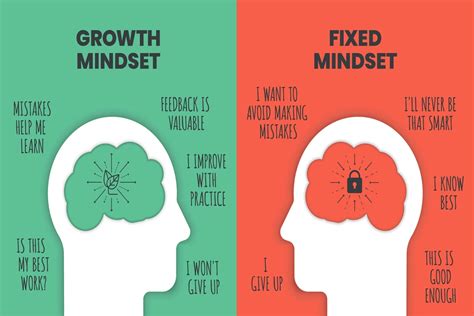
Our language and internal dialogue significantly impact our willingness to act. When we say, “I have to go to the gym” or “I have to review my budget,” it sounds like a chore, a burden. This creates mental resistance.
Try reframing these statements into opportunities:
- “I get to strengthen my body today and feel more energetic.”
- “I get to gain clarity on my financial situation and make empowered decisions for my future.”
This subtle shift transforms the perception of the task from an obligation into a privilege or a beneficial choice, aligning it with your long-term goals and values.

Visualize Success and Future Self
Before you even begin, spend a few moments visualizing the positive outcome of completing the task. How will you feel after that tough workout? Energized, proud, accomplished. How will you feel after understanding your finances? Empowered, in control, less stressed.
Connect with your ‘future self’ – the version of you who has already completed the task. What would that person say? What relief or joy would they feel? This mental rehearsal can provide a powerful surge of motivation to initiate action in the present moment.
Leveraging Accountability and Environment
Sometimes, internal motivation isn’t enough, and external forces are needed. These don’t have to be punitive; they can be supportive.
- Accountability Partner: Find a friend for workouts or a spouse/mentor for financial reviews. Knowing someone else is expecting you to show up, or that you’ll be discussing your progress, can be a huge motivator.
- Pre-Commitment: Schedule your workout or financial review in your calendar like an important meeting. Treat it as non-negotiable.
- Optimize Your Environment: Lay out your workout clothes the night before. Open the financial spreadsheet and save it on your desktop, ready to go. Reduce any friction points that might give inertia a foothold.

Embrace Imperfection and Reward Progress
Don’t wait for the ‘perfect’ moment or the ‘perfect’ plan. Imperfect action is always better than perfect inaction. You don’t need to have the most optimized workout plan or a complete understanding of every financial instrument to start.
Crucially, acknowledge and reward your efforts, especially in the beginning. These rewards don’t have to be big – a favorite podcast during your workout, a nice cup of tea after reviewing a statement, or simply celebrating the act of starting. Positive reinforcement helps build a strong habit loop and weakens inertia’s hold over time.
Overcoming inertia for tough tasks is less about willpower and more about strategic psychological approaches. By breaking tasks into micro-commitments, reframing your perspective, visualizing success, leveraging external accountability, and rewarding progress, you can cultivate the momentum needed to consistently tackle challenges and achieve your goals.