The Importance of Smart Shoe Choices for Runners
Running is a fantastic way to stay fit, boost mood, and enjoy the outdoors. However, it also puts significant stress on the feet, ankles, knees, and hips. Without the right footwear, runners, especially beginners or those increasing their mileage, can become susceptible to common injuries like plantar fasciitis, shin splints, runner’s knee, and Achilles tendonitis. While premium running shoes often boast cutting-edge technology, it’s a common misconception that you need to spend a fortune to get adequate protection. Many budget-friendly options can provide the crucial support and cushioning needed for injury prevention, allowing you to run comfortably and safely.
Essential Features for Injury Prevention in Budget Shoes
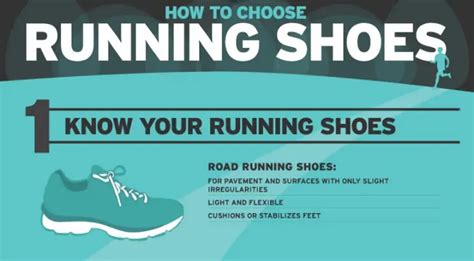
When searching for affordable running shoes that prioritize injury prevention, focus on core features rather than brand hype. Here’s what to look for:
Cushioning
Adequate cushioning absorbs impact, reducing the shock transmitted up your legs. While budget shoes might not have the most advanced foam technologies, many offer sufficient EVA-based cushioning that provides a comfortable ride for daily training. Look for shoes that feel soft but not overly squishy, striking a balance between protection and responsiveness.
Support and Stability
Your foot type dictates the level of support you need. Neutral runners with efficient gaits might opt for neutral shoes that offer balanced cushioning. Overpronators, whose feet roll inward excessively, will benefit from stability shoes with features like medial posts or guide rails to help control pronation and align the foot. Underpronators (supinators), whose feet roll outward, typically need more cushioning and flexibility.
Proper Fit
A good fit is paramount. Shoes that are too tight can cause blisters and nerve impingement, while loose shoes lead to excessive foot movement and instability. Ensure there’s a thumb’s width of space between your longest toe and the end of the shoe. The heel should feel secure, and the midfoot snug without being restrictive. Try on shoes in the afternoon when your feet are slightly swollen, and always wear your typical running socks.
Heel-to-Toe Drop
This refers to the difference in height between the heel and the forefoot. A higher drop (10-12mm) is common in traditional shoes and can favor heel strikers, potentially reducing strain on the Achilles tendon. Lower drop (0-8mm) encourages a midfoot or forefoot strike, which some runners find more natural, but it can put more stress on calves and Achilles. Choose a drop that feels comfortable and aligns with your natural running mechanics.

Understanding Your Foot Type and Pronation
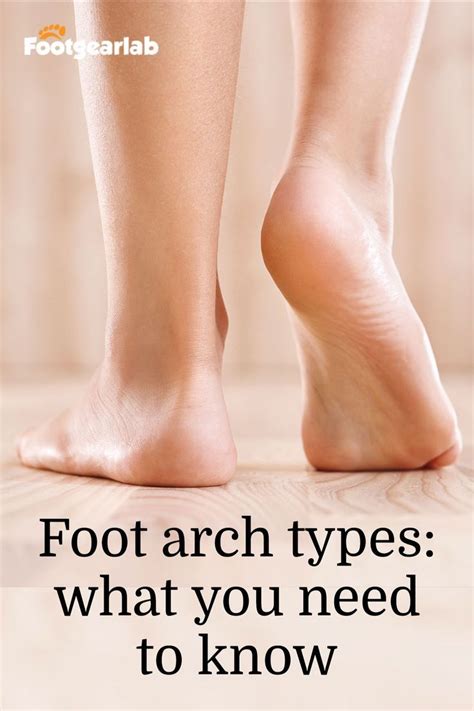
Knowing your foot mechanics is crucial for selecting the right injury-preventing shoe. You can assess your arch type with the wet test: simply wet your foot and step onto a piece of paper or cardboard. The imprint will reveal your arch type:
- Normal Arch: Shows about half of your arch. You likely have normal pronation and can wear neutral shoes.
- Low Arch (Flat Foot): Shows nearly your entire foot. You likely overpronate and benefit from stability or motion control shoes.
- High Arch: Shows only your heel and forefoot, with a very thin or no connection in between. You likely underpronate (supinate) and need neutral shoes with extra cushioning to absorb shock.
If unsure, a gait analysis at a specialized running store can provide professional guidance.
Navigating the Budget Shoe Market
Finding great budget running shoes for injury prevention often involves looking for:
- Last Season’s Models: Retailers frequently discount previous versions of popular shoes when new iterations are released. These often offer similar performance at a significantly lower price.
- Sales and Clearance Racks: Keep an eye on major sales events (e.g., Black Friday, end-of-season sales) or the clearance section of online and brick-and-mortar stores.
- Focus on Core Brands: Established running shoe brands often have excellent entry-level models that provide reliable performance and durability without the hefty price tag of their premium lines.
Remember, a shoe doesn’t need to be expensive to be effective. Prioritize the fit and features that address your specific needs for support and cushioning.
Beyond Footwear: Holistic Injury Prevention
While the right shoes are vital, they are just one piece of the injury prevention puzzle. To minimize risk, also consider:
- Gradual Progression: Increase your mileage and intensity slowly (the 10% rule is a good guideline) to allow your body to adapt.
- Strength Training: Strengthen core, glutes, and leg muscles to improve stability and running form.
- Flexibility and Mobility: Incorporate stretching and foam rolling to maintain range of motion and reduce muscle tightness.
- Rest and Recovery: Allow your body adequate time to recover between runs. Overtraining is a major cause of injury.
- Listen to Your Body: Don’t run through pain. Address niggles before they become full-blown injuries.
- Replace Shoes Regularly: Running shoes typically last 300-500 miles, depending on the shoe, your weight, and running surface. Worn-out cushioning and support increase injury risk.
Conclusion: Run Smart, Save Money
Investing in your running health doesn’t have to break the bank. By understanding your foot type, prioritizing essential features like cushioning and support, and strategically shopping for budget-friendly options, you can find excellent running shoes that help prevent injuries. Combine smart shoe choices with a sensible training regimen, and you’ll be well on your way to enjoying many miles of pain-free running.