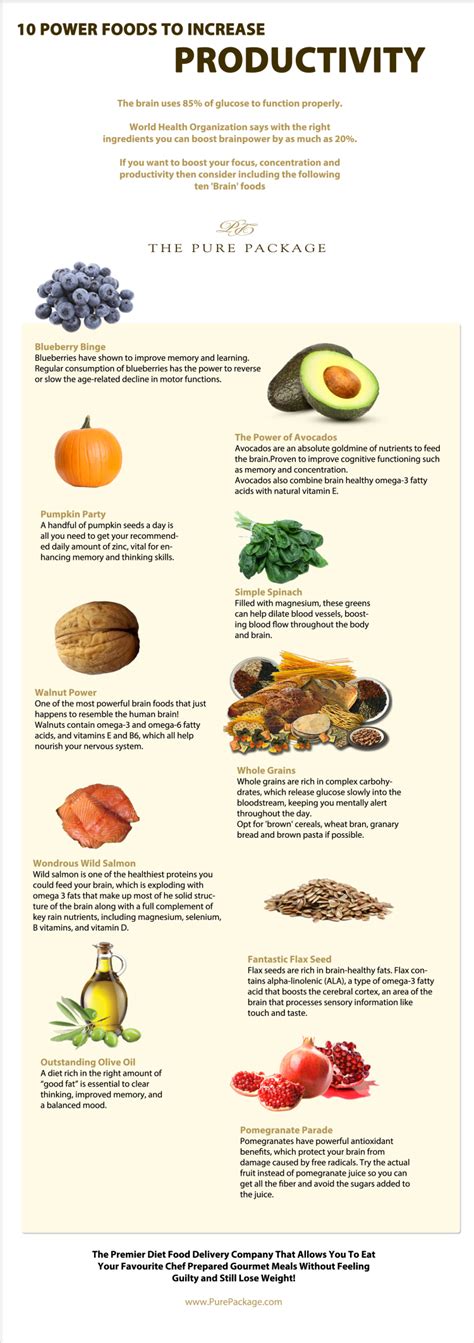
Fueling Your Brain for Peak Performance
In today’s fast-paced professional world, maintaining sharp focus and sustained productivity isn’t just a desire; it’s a necessity. Long hours, critical decisions, and constant demands can take a toll on your cognitive function and energy levels. While many factors contribute to professional success, one often overlooked yet profoundly impactful element is nutrition. What you eat directly influences your brain chemistry, energy reserves, and overall mental clarity.
Optimizing your diet isn’t about restrictive eating; it’s about making conscious choices that provide your brain with the premium fuel it needs to operate at its best. By understanding which foods enhance cognitive function and which can hinder it, you can craft a diet that supports your demanding career.
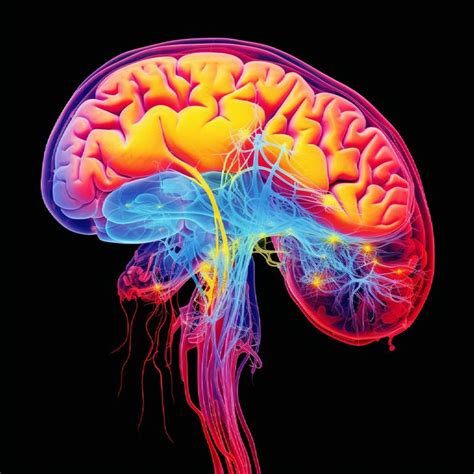
The Power of Omega-3 Fatty Acids
Often hailed as “brain food,” omega-3 fatty acids are crucial for cognitive health. They play a vital role in building brain and nerve cells, improving memory, and boosting mood. EPA and DHA, two types of omega-3s, are particularly beneficial for mitigating brain fog and enhancing processing speed.
- Sources: Fatty fish like salmon, mackerel, tuna, and sardines. Plant-based sources include flaxseeds, chia seeds, and walnuts.
- Benefit: Reduces inflammation in the brain, which can lead to cognitive decline, and supports neurotransmitter function.
Complex Carbohydrates for Sustained Energy
While often maligned, carbohydrates are your brain’s primary source of energy. The key is choosing complex carbohydrates over simple sugars. Complex carbs release glucose slowly into the bloodstream, providing a steady, sustained energy supply without the energy spikes and crashes associated with sugary snacks.
- Sources: Whole grains (oats, quinoa, brown rice, whole-wheat bread), legumes, fruits, and starchy vegetables.
- Benefit: Prevents energy slumps and keeps blood sugar stable, allowing for consistent focus throughout the workday.

Antioxidants and Micronutrients: Your Brain’s Defenders
Oxidative stress can damage brain cells and impair cognitive function. Antioxidants combat this by neutralizing harmful free radicals. Alongside antioxidants, a range of vitamins and minerals are essential for neurotransmitter synthesis and overall brain health.
- Sources:
- Antioxidants: Berries (blueberries, strawberries), dark leafy greens (spinach, kale), dark chocolate, nuts, and seeds.
- Vitamins & Minerals: B vitamins (found in lean meats, eggs, leafy greens), Vitamin C (citrus fruits), Vitamin K (leafy greens), and magnesium (nuts, seeds, legumes).
- Benefit: Protects brain cells, enhances communication between neurons, and supports memory and learning.
Lean Proteins for Alertness and Focus
Proteins are broken down into amino acids, which are the building blocks for neurotransmitters like dopamine and norepinephrine. These neurotransmitters are critical for alertness, concentration, and motivation. Including lean protein in your meals can help maintain these vital brain chemicals.
- Sources: Chicken breast, turkey, eggs, Greek yogurt, lentils, beans, tofu, and lean beef.
- Benefit: Provides a steady supply of amino acids necessary for cognitive function, helping you stay sharp and attentive.

The Undeniable Importance of Hydration
Even mild dehydration can impair cognitive function, leading to fatigue, reduced concentration, and headaches. Your brain is approximately 75% water, so staying adequately hydrated is paramount for optimal performance.
- Sources: Water, herbal tea, fruits, and vegetables with high water content (cucumber, watermelon).
- Benefit: Supports nutrient transport to the brain, maintains electrolyte balance, and helps with waste removal, all crucial for clear thinking.

Foods to Limit or Avoid
Just as some foods boost brain power, others can hinder it. Limiting or avoiding these can prevent energy crashes, inflammation, and cognitive decline:
- Sugary Drinks and Processed Snacks: Lead to blood sugar spikes and crashes, impairing focus.
- Excessive Caffeine: While a moderate amount can be beneficial, too much can lead to anxiety and disrupt sleep.
- Highly Processed Foods and Trans Fats: Can cause inflammation and negatively impact brain health.
Practical Strategies for a Brain-Healthy Diet
Incorporating these foods into a demanding schedule requires planning:
- Meal Prepping: Dedicate time on weekends to prepare healthy meals and snacks for the week.
- Smart Snacking: Keep nuts, seeds, fruit, and Greek yogurt accessible at your desk.
- Balanced Meals: Aim for a balance of complex carbs, lean protein, and healthy fats at each meal.
- Stay Hydrated: Keep a water bottle handy and sip throughout the day.

Conclusion
In demanding careers, your brain is your most valuable asset. Fueling it correctly is not a luxury but a strategic investment in your productivity, focus, and long-term cognitive health. By prioritizing a diet rich in omega-3s, complex carbohydrates, antioxidants, and lean proteins, and staying well-hydrated, you can unlock your full mental potential and thrive in even the most challenging professional environments. Make conscious food choices, and experience the profound difference they can make in your daily performance.