High-interest credit card debt can feel like a relentless uphill battle. The compounding interest makes minimum payments barely scratch the surface of the principal, trapping many in a cycle that feels impossible to break. However, with a clear strategy and consistent effort, you can conquer these balances and reclaim your financial freedom. The ‘best’ strategy often depends on individual financial habits and psychological motivation.

Understanding the Enemy: The Peril of High Interest
Before diving into strategies, it’s crucial to understand why high-interest debt is so detrimental. Credit card interest rates can soar into the high teens or even twenties. This means a significant portion of your monthly payment goes directly to interest, leaving less to reduce the actual principal. The longer you carry a balance, the more interest accrues, making your total debt swell.
The Core Strategies: Avalanche vs. Snowball
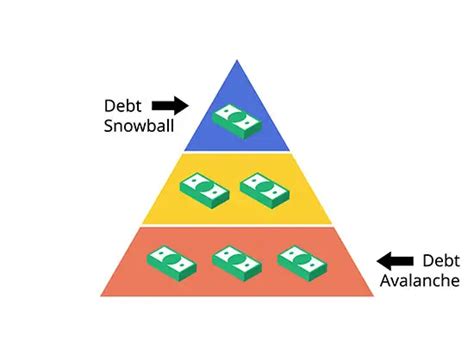
Two popular and effective methods for tackling multiple debts are the Debt Avalanche and Debt Snowball.
The Debt Avalanche Method
This strategy prioritizes financial efficiency. You list all your debts from the highest interest rate to the lowest. You make minimum payments on all accounts except the one with the highest interest rate, to which you direct all your extra funds. Once that debt is paid off, you roll the money you were paying on it (plus any additional funds) to the next debt with the highest interest rate. This method saves you the most money on interest over time.
The Debt Snowball Method
Conversely, the Debt Snowball method focuses on psychological wins. You list your debts from the smallest balance to the largest, regardless of the interest rate. You make minimum payments on all accounts except the smallest one, to which you dedicate all extra money. Once the smallest debt is paid off, you take the money you were paying on it and add it to the payment for the next smallest debt. This method provides quicker victories, building momentum and motivation to keep going, though it might cost more in interest over the long run.
Leveraging Balance Transfers and Consolidation
For those with good credit, two powerful tools can significantly lower your interest burden:
Balance Transfers
Many credit card companies offer introductory 0% APR periods on balance transfers. If you qualify, you can move your high-interest balances to a new card and pay no interest for 12-21 months. This gives you a crucial window to make significant progress on your principal without interest eating into your payments. Be mindful of transfer fees (typically 3-5% of the transferred amount) and ensure you can pay off the balance before the promotional period ends, or you’ll face the card’s standard, often high, APR.
Debt Consolidation Loans
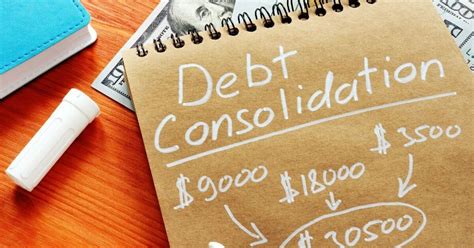
A debt consolidation loan allows you to take out a single loan, typically with a lower, fixed interest rate, to pay off multiple credit card debts. This simplifies your payments into one monthly bill and can significantly reduce the total interest you pay. Like balance transfers, consolidation loans usually require a good credit score to secure favorable terms. It’s vital to avoid accumulating new credit card debt after consolidation, as this can worsen your financial situation.
Other Powerful Tactics to Accelerate Payoff
Negotiating with Creditors
If you’re facing financial hardship, don’t hesitate to contact your credit card companies directly. They may be willing to lower your interest rate, waive fees, or work out a more manageable payment plan. This often requires demonstrating a genuine inability to pay and a commitment to resolving the debt.
Increasing Income & Decreasing Expenses
The most straightforward way to accelerate debt payoff is to free up more cash. This could involve picking up a side hustle, selling unused items, or ruthlessly cutting non-essential expenses from your budget. Every extra dollar you can apply to your high-interest debt makes a tangible difference.
Staying Debt-Free Once You’ve Paid It Off
Paying off high-interest credit card debt is a monumental achievement, but the work doesn’t end there. To prevent a relapse, focus on:
- Building an Emergency Fund: A cushion of 3-6 months’ worth of living expenses prevents you from relying on credit cards for unexpected costs.
- Creating a Sustainable Budget: Understand where your money goes and live within your means.
- Responsible Credit Card Use: If you use credit cards, aim to pay the full statement balance every month to avoid interest.

Ultimately, the ‘best’ debt payoff strategy is the one you can stick with. Whether you’re motivated by saving money (Avalanche) or seeing quick wins (Snowball), or you can leverage tools like balance transfers and consolidation, consistency and discipline are your greatest assets in becoming debt-free. Start today, stay committed, and you will achieve financial liberation.