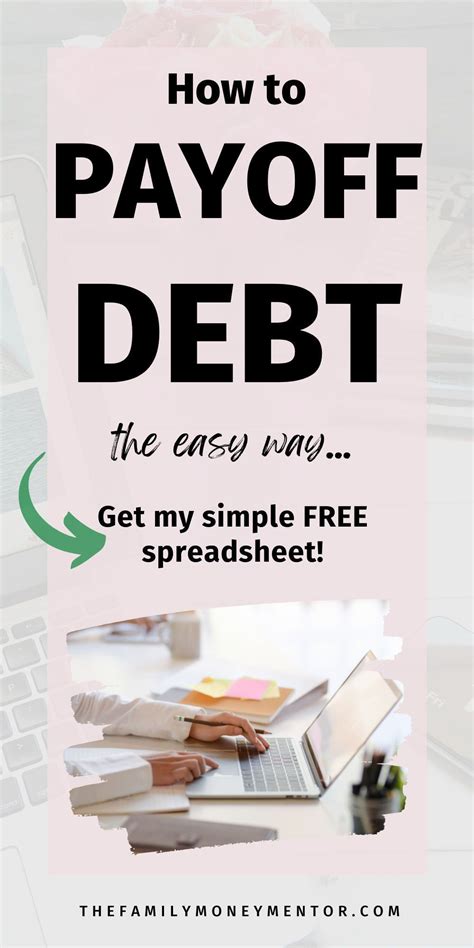
Financial independence is a cornerstone of modern masculinity, yet many men grapple with the dual challenge of crushing credit card debt and establishing a robust emergency fund. It’s a journey that demands discipline, strategic planning, and a clear understanding of financial principles. This guide will equip you with actionable strategies to tackle both head-on, paving the way for a more secure financial future.

Understanding the Debt Beast: Credit Cards
Credit card debt often feels like a relentless treadmill, with high-interest rates making minimum payments barely scratch the surface. Before you can conquer it, you need to understand its true cost. Calculate your total debt, interest rates for each card, and create a comprehensive list. This clarity is the first step towards taking control.
Strategy 1: The Debt Avalanche vs. Debt Snowball
Two primary strategies stand out for debt repayment:
- Debt Avalanche: Focus on paying off the card with the highest interest rate first, while making minimum payments on others. Once the highest-interest card is paid, roll that payment amount into the next highest. This method saves you the most money on interest over time.
- Debt Snowball: Focus on paying off the card with the smallest balance first, while making minimum payments on others. The quick wins provide psychological motivation. Once the smallest debt is clear, roll that payment into the next smallest. This method is often recommended for those who need a psychological boost to stay motivated.
Choose the method that best suits your personality and financial discipline. Consistency is key to both.
Tactics for Aggressive Debt Reduction
- Create a Detailed Budget: Track every dollar in and out. Identify non-essential spending that can be cut.
- Increase Your Income: Consider a side hustle, freelance work, or negotiate a raise. Even a temporary boost can significantly accelerate debt repayment.
- Negotiate Interest Rates: Call your credit card companies and ask for a lower APR. Many are willing to negotiate, especially if you have a good payment history.
- Debt Consolidation: Explore options like a balance transfer card (with a 0% introductory APR) or a personal loan with a lower interest rate. Be cautious and ensure you can pay off the consolidated debt within the promotional period.

Building Your Financial Shield: The Emergency Fund
An emergency fund is your safety net, designed to cover unexpected expenses like job loss, medical emergencies, or car repairs without resorting to credit cards. This fund is critical to breaking the debt cycle permanently.
How Much to Save & Where to Keep It
The golden rule is to aim for 3-6 months’ worth of essential living expenses. Start smaller, though. A “starter” emergency fund of $1,000-$2,000 can cover many common minor emergencies and prevent new debt from accumulating. Keep this fund in a separate, easily accessible, high-yield savings account – separate from your checking account but not invested where it’s subject to market fluctuations.
Accelerating Your Emergency Savings
- Automate Savings: Set up an automatic transfer from your checking to your emergency fund account with each paycheck. “Pay yourself first.”
- Sell Unused Items: Declutter your home and sell items on online marketplaces. Every dollar earned goes straight into your fund.
- Temporary Frugality: Embrace a period of intense cost-cutting. Cook at home, cancel subscriptions, limit entertainment. Every dollar saved is a dollar earned for your fund.
- Windfalls: Direct tax refunds, bonuses, or unexpected gifts directly into your emergency fund.
The Synergy: Debt Repayment & Emergency Fund
These two goals aren’t mutually exclusive; they’re complementary. A common strategy is to first establish a small starter emergency fund (e.g., $1,000). This provides immediate peace of mind and prevents new debt from forming. Once that’s in place, direct all extra funds aggressively towards your highest-interest debt using either the avalanche or snowball method. Once the debt is gone, then focus on fully funding your 3-6 month emergency fund.

Cultivating a Money-Minded Mindset
Crushing debt and building savings isn’t just about numbers; it’s about changing your relationship with money. Embrace patience, celebrate small victories, and educate yourself continuously. Develop habits of regular financial review, goal setting, and conscious spending. A disciplined approach to your finances is not a sacrifice, but an investment in your freedom and future.
Taking control of your finances is a powerful act of self-empowerment. By strategically attacking credit card debt and diligently building an emergency fund, you’re not just moving numbers around; you’re building a foundation of financial security and freedom that will serve you well for decades to come. Start today, stay consistent, and watch your financial future transform.