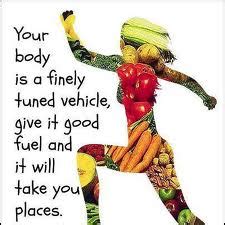
For men aiming to push their limits in the gym, optimize their performance, and accelerate muscle growth, what you consume before a workout can make all the difference. Pre-workout nutrition isn’t just about staving off hunger; it’s about fueling your body’s engine with the right components at the right time to maximize energy, strength, endurance, and ultimately, muscle protein synthesis.
The Science Behind Pre-Workout Fuel
Understanding the physiological demands of intense training is key to selecting the best pre-workout fuel. Your body primarily relies on glycogen (stored carbohydrates) for high-intensity, short-duration activities, and to a lesser extent, fat for longer, more sustained efforts. Protein, while not a primary energy source, is crucial for preventing muscle breakdown during exercise and kickstarting the repair process post-workout. A well-planned pre-workout meal or snack ensures ample energy reserves and prepares your muscles for the work ahead.

Macronutrient Breakdown for Peak Performance
Carbohydrates: Your Primary Energy Source
Carbohydrates are paramount for fueling workouts. They are broken down into glucose, which is then used immediately for energy or stored as glycogen in your muscles and liver. For pre-workout, you’ll want to consider both slow-digesting (complex) and fast-digesting (simple) carbs.
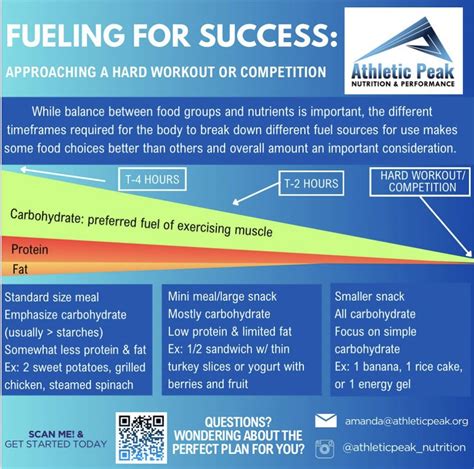
- Complex Carbs (2-3 hours pre-workout): Provide a sustained release of energy, preventing mid-workout crashes. Examples include oatmeal, brown rice, whole-wheat bread, and sweet potatoes.
- Simple Carbs (30-60 minutes pre-workout): Offer a quick burst of energy for immediate use, topping off glycogen stores. Examples include bananas, fruit juice, rice cakes, and dried fruit.

Protein: The Muscle Builder
Consuming protein before a workout helps to minimize muscle damage, reduce muscle protein breakdown, and stimulate muscle protein synthesis. This means less soreness and faster recovery, paving the way for greater muscle gain over time. Aim for a lean protein source.
- Examples: Chicken breast, lean beef, eggs, Greek yogurt, cottage cheese, protein powder.
Fats: Sustained Energy (with caveats)
While fats provide a dense source of energy, they digest much slower than carbohydrates and protein. For immediate pre-workout fuel, large amounts of fat can slow digestion and potentially cause gastrointestinal discomfort. However, incorporating healthy fats into your overall diet is crucial for hormone production and general health. If consumed pre-workout, keep the portion small and ensure it’s at least 2-3 hours before training.
Timing is Everything: When to Eat
The timing of your pre-workout meal is just as important as its composition. The goal is to allow sufficient time for digestion and nutrient absorption without feeling overly full or sluggish.
- 2-3 Hours Before: A balanced meal consisting of complex carbohydrates, lean protein, and a small amount of healthy fat. This allows for ample digestion and sustained energy.
- 30-60 Minutes Before: A lighter snack focusing on simple carbohydrates and a small amount of easily digestible protein (optional). This provides a quick energy boost without weighing you down.
Top Pre-Workout Food Choices for Men
Here are some highly effective food combinations and options for maximizing energy and muscle gain:
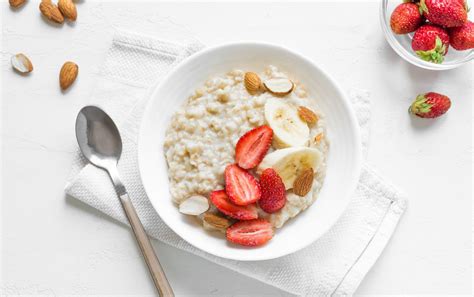
- Oatmeal with Berries and Protein Powder: A classic for sustained energy (oats) and a quick protein hit.
- Banana with Peanut Butter: Fast-acting carbs from the banana, with some healthy fats and protein from the peanut butter for a quick, balanced snack.
- Chicken Breast and Sweet Potato: An excellent full meal for 2-3 hours pre-workout, providing lean protein and complex carbohydrates.
- Greek Yogurt with Fruit: High in protein and natural sugars, easy to digest.
- Rice Cakes with Honey: Super fast-digesting carbs for an immediate energy boost.
Hydration: The Unsung Hero
Don’t overlook the power of proper hydration. Dehydration can significantly impair performance, leading to fatigue, reduced strength, and impaired focus. Aim to drink plenty of water throughout the day, and specifically 16-20 ounces of water 2-3 hours before your workout, and another 8-10 ounces 30 minutes prior.

When Supplements Can Play a Role
While whole foods should be the foundation, certain supplements can enhance performance when strategically used:
- Caffeine: Boosts alertness, reduces perceived effort, and can improve endurance.
- Creatine Monohydrate: Increases strength, power, and muscle mass by boosting ATP production.
- Beta-Alanine: Helps buffer lactic acid, delaying muscle fatigue and increasing endurance.
Always consult with a healthcare professional before starting any new supplement regimen.
![How Advertising Makes Us Buy [Infographic] - WebFX](/images/aHR0cHM6Ly90czMubW0uYmluZy5uZXQvdGg/aWQ9T0lQLjA5d2hfRmxNdlZUOW1qNGlHRzROWHdIYUNSJnBpZD0xNS4x.webp)
Customizing Your Fuel Strategy
Every individual is different. What works perfectly for one man might not for another. Pay attention to how different foods affect your energy levels, digestion, and performance. Experiment with various combinations, timings, and portion sizes to find your optimal pre-workout fuel strategy. Consistency and listening to your body are key to unlocking peak performance and maximizing your gains.
Conclusion
Strategic pre-workout fueling is a cornerstone of effective training for men aiming to build muscle and enhance energy. By understanding the roles of carbohydrates, protein, and fats, and mastering timing, you can significantly elevate your workout quality and accelerate your progress toward a stronger, more muscular physique. Prioritize whole, nutrient-dense foods, stay hydrated, and don’t be afraid to experiment to find your personalized winning formula.